Your container is on a train to Chicago, and the plan stops at the ramp. Nobody has named the warehouse that takes it off the rail, and that missing name is the whole job now.
Transloading in Illinois means unloading the container at an Illinois warehouse, building loose freight onto pallets, and reloading it onto domestic trailers or into short-term storage.
The load type sets the pace before anything else is decided. A palletized 40-foot container comes off by forklift in 30 to 60 minutes, while a floor-loaded 40 takes 2 to 5 hours of hand work, piece by piece, before it can be built into pallets.
That gap is why the warehouse needs the full picture up front, not after the box grounds. The national overview at Transloading Services covers the service in general, and this page covers Chicago.
The interchange: six railroads trade freight in Chicago
Six Class I railroads converge in Chicago: BNSF, Canadian National, Canadian Pacific Kansas City, CSX, Norfolk Southern, and Union Pacific. Chicago is the only place in North America where all six meet.
Chicago is the largest and most important freight rail hub in the United States, handling roughly one in four US freight trains each day. About 25 percent of all freight trains and 50 percent of all intermodal trains in the nation pass through metropolitan Chicago, the continent’s main interchange point between western and eastern railroads.
The Chicago region is also the world’s third busiest intermodal hub, covering approximately 16,000 acres. Containers ground here in volume every day, and the warehouses around the ramps exist because that volume needs somewhere to go.
The CREATE Program exists because this much rail traffic in one city creates congestion. It is a public-private partnership of the railroads, Amtrak, Metra, the Illinois Department of Transportation, the City of Chicago, and Cook County, with 70 projects and roughly $4.6 to $5.8 billion in work, launched in 2003 to untangle Chicago rail congestion.
CREATE program materials have long cited a figure that explains the friction: a rail car can take about 48 hours to travel from Los Angeles to Chicago, and then spend about 30 hours moving through Chicago itself. That is a program-era figure from CREATE materials, not a current measurement.
A container routed through Chicago may be crossing the country, not ending here. The transload is the step that turns it from an international box into domestic trailers that match the next leg.
Your box grounds at a ramp, and the ramp picks the warehouse
Your container does not arrive at a warehouse. It grounds at a rail ramp, and a truck moves it to a dock, so the ramp on your paperwork is the first fact to pin down.
Check the bill of lading and the rail paperwork for which ramp the box is grounded at before calling anyone. A quote built on the wrong ramp is built on the wrong dray, and the dray between ramp and dock is part of the job.
The 2021 lift counts from the Chicago Metropolitan Agency for Planning show where the volume sits. CSX Bedford Park handled about 909,000 lifts, BNSF Logistics Park Chicago at Elwood, by Joliet, handled about 889,000, and BNSF Corwith handled about 844,000.
Union Pacific’s Joliet Intermodal Terminal, also called Global IV, handled about 668,000 lifts in 2021, CN Gateway at Markham handled about 551,000, Norfolk Southern’s 47th Street yard in Chicago handled about 521,000, and Canadian Pacific’s Bensenville yard handled about 158,000, in a regional total of about 7.68 million lifts that year.
The corridors explain the warehouse belts. I-55 runs from Chicago southwest through Joliet toward St. Louis and on to New Orleans, and the big ramps at Joliet and Elwood sit on that corridor, with warehouse towns including Joliet, Elwood, Romeoville, Bolingbrook, and Lockport along the southwest side.
I-80 crosses the country south of the city, through Joliet. I-57 runs south from Chicago toward Memphis, I-88 runs west toward the Quad Cities, and I-90 and I-94 serve the north side, O’Hare, and the northwest suburbs, with I-294 and I-355 as the beltways the freight corridors hang on.
Around O’Hare, the warehouse ring sits in towns like Bensenville, Des Plaines, and Elk Grove Village, close to Canadian Pacific’s Bensenville yard. On the south side, BNSF Corwith and the Norfolk Southern yards anchor another belt, and CN Gateway sits at Markham.
No listed warehouse sits inside a rail ramp, a port terminal, or an airport. The unload happens at a warehouse dock, after the dray, so pick the warehouse with the ramp in mind.
Winter belongs in this decision too. Snow and hard cold slow drayage, ramp work, and dock schedules in the winter months, so a tight plan can run long and the warehouse needs honest dates from you.
The lake port moves bulk, not boxes
Shippers new to Chicago sometimes assume their container comes off a ship at the Port of Chicago. It does not, and planning around the lake port sends the job to the wrong place.
The Port of Chicago, run by the Illinois International Port District at Lake Calumet and Iroquois Landing, moves more general cargo than any other port on the Great Lakes. Its cargo is bulk and breakbulk: steel, aluminum, grain, sugar, lumber and wood products, and bulk liquids.
The port district reports annual waterborne tonnage of over 19 million tons, grain storage capacity of over 14 million bushels, and liquid bulk storage of about 800,000 barrels. Those are the port district’s own reported figures, and they describe a bulk port, not a container gateway.
Your ocean container reaches Illinois by rail or by truck. The ramp, not the lake, is the arrival point that matters for a transload.
O’Hare explains a different part of the map. Chicago O’Hare handled about 2.10 million US tons of cargo, freight plus mail, in 2023, fifth among US airports, and about 1.47 million tons of international freight, third in the US.
Air freight does not arrive in ocean containers, so it does not need devanning. It does explain why the warehouse ring sits around Bensenville, Elk Grove Village, and Des Plaines, and why bonded container freight station work exists here for Customs exam freight.
What to send so the first reply is usable
A warehouse can price a transload from one complete request. A short note with no load details gets a short reply asking for the details, and the clock runs while the two of you trade messages.
Send the full packet the first time:
- Box size, 20-foot or 40-foot, and load type: floor-loaded or palletized, with a pallet count if you know it.
- Weight and dimensions of the items, or an itemized pack list.
- Which ramp the box grounds at, and when it is available to pull.
- Where the freight goes next, with pallets per destination if the load splits.
- The dates you need, and any storage time needed before the freight moves out.
- Any sort, relabel, or rebuild work the freight needs at the dock.
The weight and dimension line does real work in that list. It tells the warehouse whether its dock can handle the freight, how the pallets will build, and whether a trailer will weigh out before it cubes out.
Quote requests go directly to the warehouse. The default expectation is a reply as soon as possible, normally within 24 hours or less, and a complete packet is what makes that reply a usable quote instead of a list of questions.
What the dock does with the load
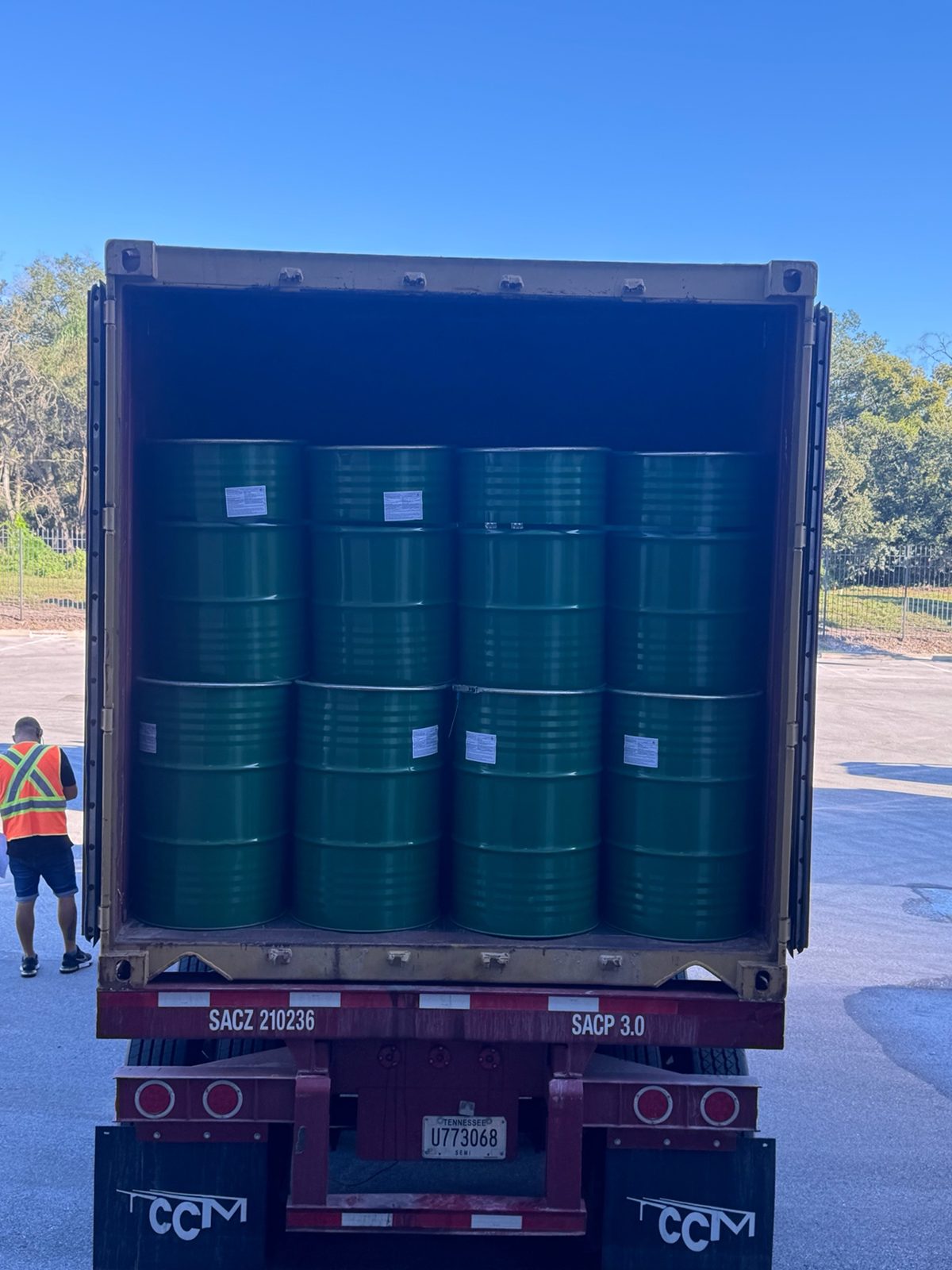
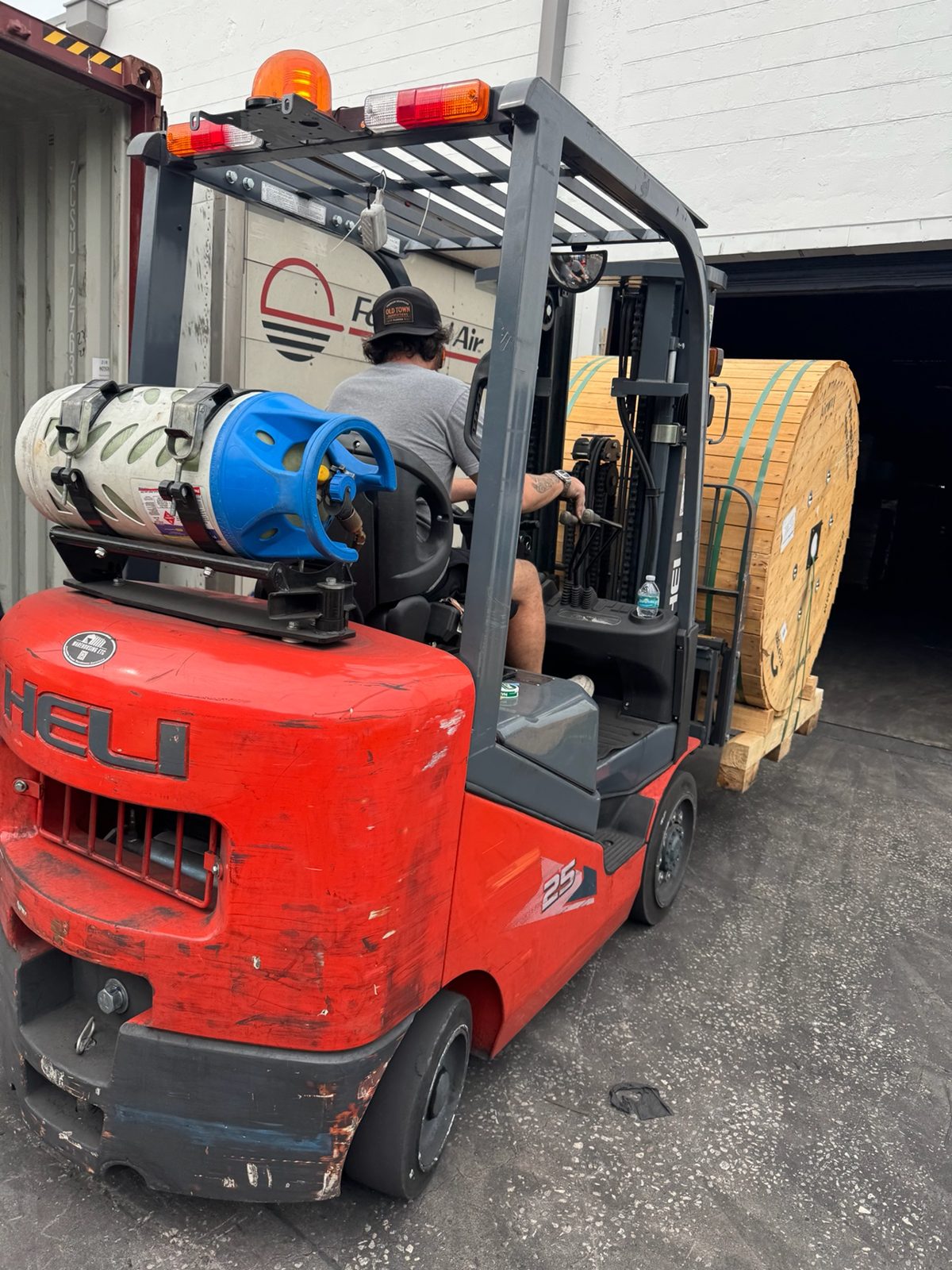
The work starts when the box is spotted at the dock and opened. Palletized freight comes off by forklift, floor-loaded freight comes off by hand, and loose freight gets built onto pallets as it comes out.
Plan on about 20 pallet positions out of a 40-foot container and about 10 out of a 20-foot container. Those are working counts, not promises, because the real number depends on item size and how the freight was loaded in the box.
Once the freight is on pallets, it takes one of two paths. It reloads straight onto domestic trailers for the next leg, or it goes into short-term storage until the outbound move is ready.
Name that choice in your request. A straight reload and a reload after storage are different jobs with different dock plans, and the warehouse needs to schedule the crew and the doors for the right one.
Some freight needs work between the unload and the reload. Sorting by destination, relabeling cartons, and rebuilding damaged pallets all happen at this stage, and each one belongs in the quote request so it is priced and staffed before the box arrives.
Appointments run the dock. Most warehouses need advance appointments, and appointment, live unload versus drop trailer, and lead time procedures vary by warehouse, so confirm the procedure with the warehouse you pick, and never show up unannounced.
One container, several deliveries
One container often holds freight for more than one receiver. All listed warehouses handle split delivery, so a single box can be unloaded, sorted by destination, and sent out as several deliveries.
The condition is scope, stated up front. Explain the full scope when you contact the warehouse: every destination, and how many pallets go to each one, so the sort is planned before the container is opened.
A split that surfaces mid-unload is a different problem. The crew has to stop, recount, and rebuild the plan with the freight already on the floor, and the outbound trucks you booked may no longer match the loads.
Outbound trucks can be arranged either way. The warehouse may arrange them, or you may arrange your own, and outbound is priced per truckload or per pallet depending on the load details and the warehouse’s rate structure. Say which arrangement you want in the request, with destinations, pallet counts, and delivery dates in the same packet.
The 53-foot question
The common conversion claim says three 40-foot containers fit into two 53-foot domestic trailers. It holds only for lightweight palletized freight, and freight that fits that description is only part of what moves through Chicago.
Heavy palletized freight weighs a dry van out before it cubes out. The trailer reaches its weight limit with floor space left open, and a plan built on the neat ratio leaves freight standing on the dock.
Loose freight changes the math again. A loose-loaded 40-foot container, unloaded and built onto pallets, can take two dry vans on its own, because palletizing adds height and footprint the loose load did not have in the box.
So do not state the ratio as a safe assumption. Give the warehouse the weights and the item details, let it build the pallet count, and plan the trailer count from that count instead.
Why two quotes for the same container differ
Two warehouses can look at the same container and return different quotes, and the difference usually traces to the work. Load type and labor come first, because a floor-loaded box is hours of hand work and a palletized box is a forklift job.
One industry guide puts devanning labor at most US destination facilities at $300 to $600 per container in lumper fees. That figure is what the labor costs the warehouse, not what you pay as the shipper, and it explains why the load type moves a quote more than almost anything else.
Dray distance from the ramp is the next driver. A box grounded at Joliet and unloaded in the southwest suburbs is a short dray, while the same box unloaded near O’Hare crosses the region, and that truck time is part of the job.
Pallet count matters because pallets are the unit the dock handles, stores, and reloads. Sort and relabel work adds hands and time between the unload and the reload, and storage time takes floor space that other freight could use.
If two quotes differ and you cannot see why, ask each warehouse what it assumed. The load type it planned for, the dray it priced, and the storage it included will usually explain the gap faster than an argument about the total.
Find a warehouse in Illinois
Start with the map at Find a warehouse in Illinois, and match the warehouse to the ramp your box grounds at and the work your freight needs. Listings are checked before they appear, with the company looked up and its services confirmed, and you still call to confirm services and room before you route freight.
- Bensenville: Logistics Plus ORD, described for warehousing and fulfillment. Call to confirm the services fit your load before you book.
- Chicago: Unilogic Group, described as a US Customs Bonded Container Freight Station based in Chicago. Call to confirm it can take your freight and what its intake process requires.
- Des Plaines: FleetPro Leasing Inc IL, described as a hub for logistics services tailored to a business. Call to confirm which services it will take on for your load, since its description stays general.
- Glendale Heights: LSI Logistics Solutions, described with a 60,000 square foot facility, 6k lb capacity forklifts, and dock high and ground level loading. Call to confirm those details and current room.
- Lockport: UGI Global, described as providing flexible, reliable warehousing and logistics support for carriers from Lockport, Illinois. Call to confirm it can take your freight and on what timing.
Related work sits on its own pages. Freight arriving in a box starts with container unloading in Chicago, freight that should keep moving is cross-docking in Illinois, shifted freight needs pallet restacking in Illinois, and freight that has to wait belongs in short-term warehouse space in Illinois.
Same-day help is often possible based on availability, and next-day is commonly doable. Contact the warehouse before the driver rolls and confirm the appointment.
Frequently asked questions
Transloading in Illinois means unloading a container at an Illinois warehouse, building loose freight onto pallets, and reloading it onto domestic trailers or into short-term storage. In Chicago the container usually arrives by rail, so the warehouse step turns a grounded box into freight a domestic carrier can deliver.
No, because the Port of Chicago moves bulk and breakbulk cargo like steel, grain, and lumber, not ocean containers. Your container reaches Illinois by rail or by truck, and it grounds at a rail ramp before a truck takes it to a warehouse dock.
The ramp is named in your bill of lading and rail paperwork, and it could be a yard at Joliet, Bedford Park, Markham, Bensenville, or on the south side of Chicago. It matters because the dray from that ramp to the warehouse dock is part of the job, and a warehouse picked without the ramp in mind can add truck time and cost.
A palletized 40-foot container unloads by forklift in 30 to 60 minutes, while a floor-loaded 40 takes 2 to 5 hours of hand work. Plan on about 20 pallet positions out of a 40-foot container and about 10 out of a 20-foot container, with the real count set by item size and how the freight was loaded.
Yes, and all listed warehouses handle split delivery. You must explain the full scope when you contact the warehouse, covering every destination and the pallets per destination, and the warehouse may arrange the outbound trucks or you may arrange your own.
Send the box size and load type, which ramp the box grounds at and when it is available to pull, where the freight goes next, your dates, and any storage or sort work needed. Weight and dimensions of the items, or an itemized pack list.
Warehouses price the work they see: load type and labor, dray distance from the ramp, pallet count, sort or relabel work, and storage time. If you cannot see why two quotes differ, ask each warehouse what it assumed, and the gap usually explains itself.