Your freight is in Chicago and the receiver is not ready for it. Short-term storage means the freight comes off the truck or container, sits on pallets in a warehouse for days to a few weeks, and ships back out when the receiver calls for it.
That gap is common here. A container grounds at a ramp before a delivery appointment exists. A receiver pushes a date. A load arrives ahead of a promotion, a store opening, or a job site that is not ready to take it.
The wrong place to wait out that gap is on a clock. A container left sitting ties up equipment and runs up charges tied to time. A driver turned away at a dock with nowhere to go costs a day and still leaves you with the same problem.
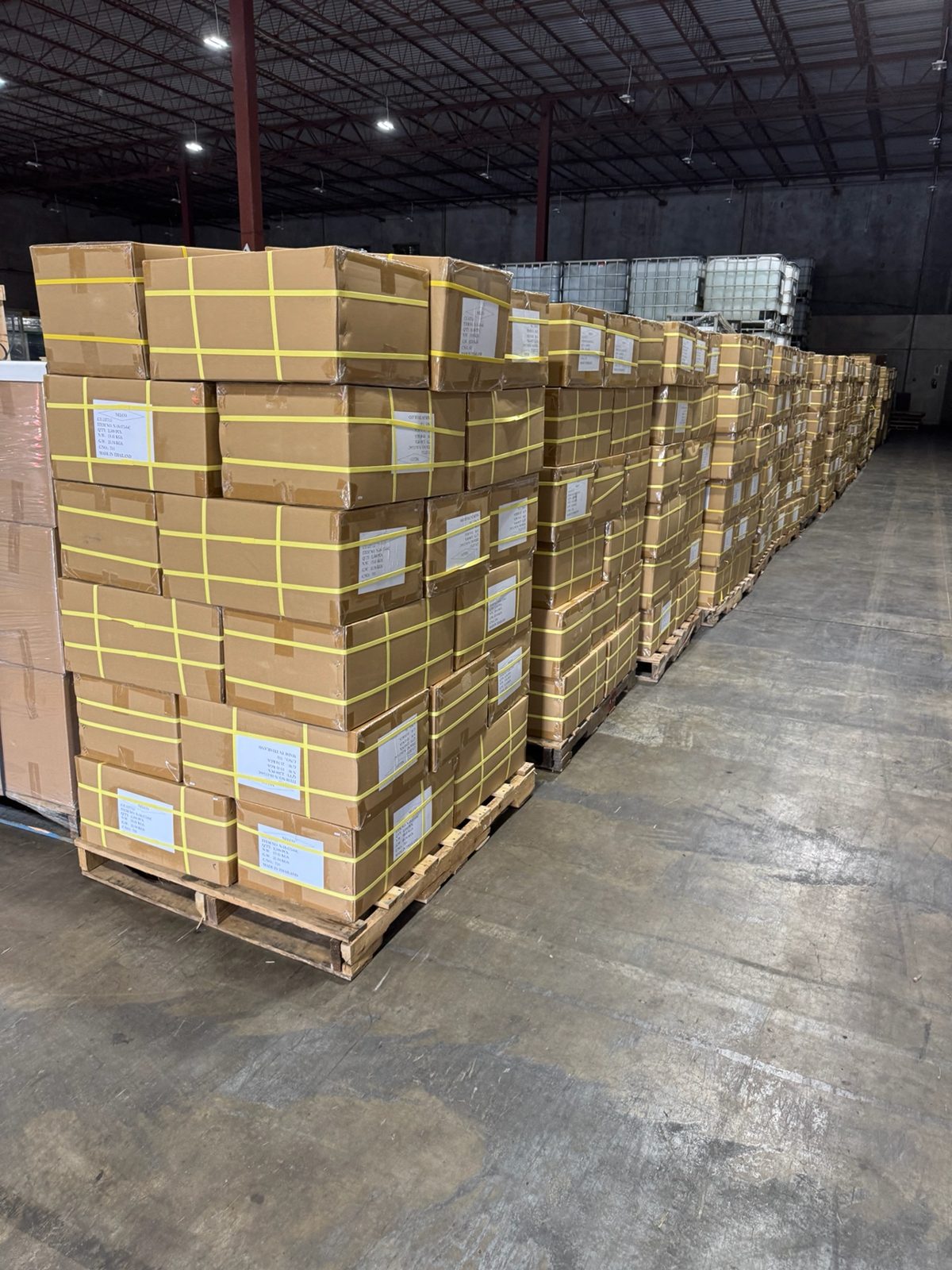
Short-term warehouse space solves the timing problem in a plain way. The freight gets unloaded, counted, and put away on pallets. It sits indoors, off the street and off the ramp. When the receiver sets a new date, you book the release and the freight goes out.
Why freight sits in Chicago
Chicago pulls freight in from every direction, and receivers do not always move at the same speed as the railroads and trucks bringing it in. That mismatch is why short stays exist here.
Containers ground at ramps before the delivery appointment exists. In 2021, CSX Bedford Park handled about 909,000 lifts and BNSF Logistics Park Chicago near Joliet handled about 889,000 lifts. A box can come off a train, get picked up, and still have no dock appointment waiting for it. Putting it into a warehouse breaks that chain. The container gets returned, the freight sits on pallets, and the delivery can be booked on the receiver’s actual schedule.
The ramps sit along the corridors that shape where warehouses cluster. BNSF Logistics Park and UP Global IV sit at Joliet and Elwood on I-55. CSX Bedford Park sits near I-55 and I-294. BNSF Corwith and the Norfolk Southern yards sit on the south side of the city, CN Gateway sits at Markham, and the Canadian Pacific Kansas City yard sits at Bensenville, next to O’Hare. Freight out of any of those points may need a short sit before it moves again.
Retail and seasonal product gets staged ahead of Midwest deliveries. The Chicago region holds roughly 1.1 billion square feet of industrial development, because so much freight passes through on its way to stores and customers across the Midwest. Seasonal goods often need to be close well before stores are ready to receive them. A warehouse near Chicago lets the freight wait near the market instead of at the origin or on a trailer.
Project and overflow freight creates the same need for a different reason. A receiver’s dock can only take so much at once. A job site can only use material as the work reaches that stage. A full distribution floor cannot absorb a full container on top of what is there. The freight simply has nowhere workable to go that day, and a short stay gives it a place until the receiver can take it in parts or in full.
Winter adds a buffer reason. Snow and hard cold slow drayage, ramp work, and dock schedules in the winter months. A shipper who has been caught by a January storm may stage freight early on purpose, while roads and ramps are clear, rather than gamble that a tight delivery date will hold in bad weather.
How a short stay gets priced
There are no standard prices printed here because the warehouse that takes your freight sets its own quote. This section shows what that quote is built from, so you can compare quotes on the same terms.
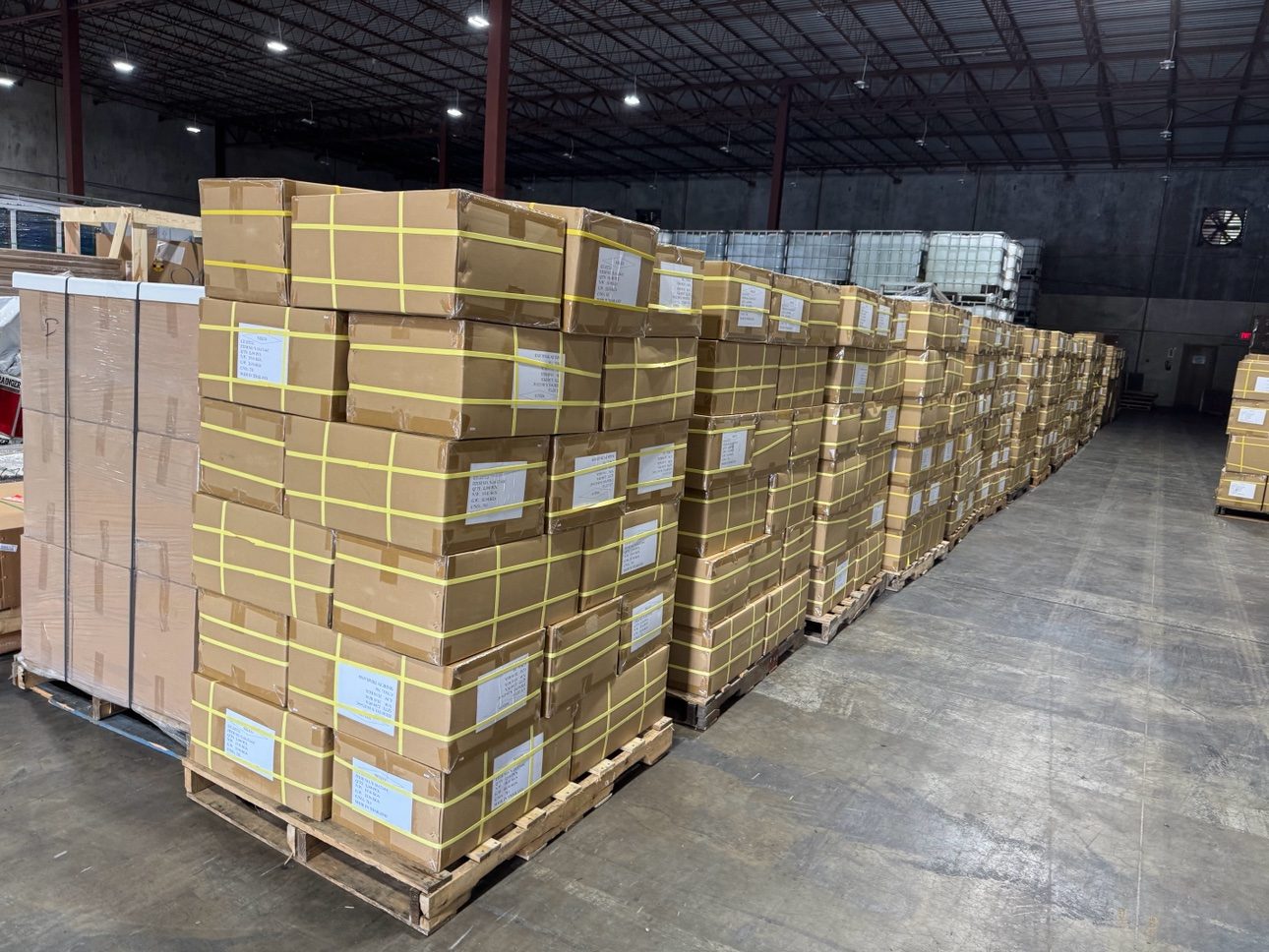
Pallet positions used is the starting point. Plan on about 20 pallet positions out of a 40-foot container and about 10 out of a 20-foot container. Those are working counts, not promises. The real number depends on item size and how the freight was loaded, and a load that builds into more pallets will use more space.
How the freight stacks matters next. Stackable pallets can use vertical space. Freight that cannot be stacked takes a full floor position for every pallet. Odd shapes eat floor too. Long, wide, or irregular items that do not sit neatly on a pallet use more room than their pallet count alone suggests. Tell the warehouse plainly if your freight does not stack.
Handling in and handling out is its own cost. The freight has to be unloaded, checked, and put away when it arrives, and pulled, staged, and loaded when it leaves. A palletized 40-foot container unloads by forklift in 30 to 60 minutes. A floor-loaded 40 takes 2 to 5 hours of hand work to unload. That labor difference shows up in the quote, and it should.
Length of the stay is the other obvious driver. Freight that sits for days costs less in space than freight that sits for weeks. If your release date slips, expect the space charge to keep running for the extra time. That is why the expected release window matters at quote time, even when the date is not firm.
How often the freight gets touched while it sits also changes the cost. Freight that goes in, sits untouched, and goes out whole is the simplest and cheapest pattern. Partial releases, re-sorts, relabeling, and repalletizing all add labor while the freight is in the building. That work is common, but it needs to be in the quote discussion up front, not raised after the freight is already inside.
What to ask before the freight goes in
Procedures vary by warehouse, so treat this section as questions to confirm with the warehouse you choose, not as promises any one building makes. A short exchange before the inbound arrives prevents most friction later.
Ask how the inbound appointment gets set up. Most warehouses need advance appointments, and booking, receiving hours, and paperwork differ from building to building. Confirm who sets the appointment, what reference numbers the driver needs, and what happens if the truck arrives outside its window.
Ask if the inbound will be a live unload or a drop trailer. On a live unload, the driver waits while the crew unloads. On a drop, the trailer is left and picked up later. Which pattern applies depends on the load type, the dock schedule, and the building. Confirm it so the carrier can plan the driver’s time and the equipment.
Ask how a release gets booked and how much notice it needs. Confirm how the warehouse wants the instruction sent, what has to be on it, where the freight is going, and how far ahead you need to give it. The outbound appointment and the pull and stage work both need time.
Ask what happens if the stay runs longer than planned. Release dates slip. Confirm how the warehouse handles an extension, whether you need to notify them by a certain point, and how the added time is charged. That answer is much easier to get before the freight goes in than after the original window has passed.
Ask whether partial releases are fine. Some shippers need the whole lot at once. Others need a few pallets at a time to different receivers or on different dates. Confirm the warehouse can pull part of a lot, how they track what remains, and what they need on each partial instruction. If releases go out in parts, the full scope needs to be clear from the start.
Ask what the warehouse needs from you while the freight sits. That includes a contact who can approve added work, instructions for damaged or short freight found at unload, and how you will be told the freight has arrived and been put away.
What to send for a quote
Quote requests go directly to the warehouse, not to a central desk. Send a complete packet the first time and the quote comes back faster and closer to final.
Include the following in your request:
- Weight and dimensions of the items, or an itemized pack list.
- How the freight arrives, meaning a container off a named ramp or a trailer, and the load type, palletized or floor-loaded.
- Pallet count, or the container size the freight comes out of if it has not been palletized yet.
- Whether the freight is stackable or not, and any odd shapes or sizes that affect how it sits.
- The date the freight would come in and the expected release window.
- Whether releases go out whole or in parts, and if in parts, every destination and the pallets per destination.
- The delivery address or addresses for the release, if they are known.
- Any handling needed while the freight sits, such as relabeling, sorting, or repalletizing.
If you do not have every item on that list, send what you have and say what is missing. A warehouse can often work from a container size, a product description, and a release window, and tell you what else it needs.
Expect a reply as soon as possible, normally within 24 hours or less. If your freight is already moving and timing is tight, say so in the first line of your request.
When it is not short-term storage
Freight that turns the same or next day is not storage. If the plan is to unload, sort, and reload onto outbound trucks with no real sit in between, that is cross-docking in Illinois. A cross-dock is priced and scheduled around the turn, not around days on the floor.
Freight arriving in a container starts with the unload. If the container still needs to be pulled from a ramp, brought in, and unloaded before anything can sit, start with container unloading in Chicago. The unload, the pallet build, and the put-away come first. Storage is what happens after that work is done, and the quote should cover both parts in the right order.
Freight that needs months belongs in a different conversation. Short-term warehouse space is built for days to a few weeks. If you already know the freight will sit for months, say so up front and ask about a contract warehouse arrangement instead. The warehouse can price the right thing and plan space for a longer stay. Calling a long stay short-term at the start helps no one, because the space planning and the paperwork are different.
Mixed jobs are common here. A load may cross-dock in part and store in part, or unload into storage and then release as several outbound loads over the following weeks. Describe the full pattern when you ask, and let the warehouse say how it would split the work and price each part.
Find a warehouse in Illinois
Start with the map page at Find a warehouse in Illinois. The listings below are drawn from their own descriptions on that page. Call to confirm services and current room before you send freight.
- Logistics Plus ORD, Bensenville: described as a hub for warehousing and fulfillment. Call to confirm services and current room.
- Unilogic Group, Chicago: described as a US Customs Bonded Container Freight Station based in Chicago. Call to confirm services and current room.
- FleetPro Leasing Inc IL, Des Plaines: described as a hub for logistics services tailored to suit a business. Call to confirm services and current room.
- LSI Logistics Solutions, Glendale Heights: described as a 60,000 square feet facility with 6k lb capacity forklifts, with dock high and ground level loading. Call to confirm services and current room.
- UGI Global, Lockport: described as providing flexible, reliable warehousing and logistics support for carriers. Call to confirm services and current room.
For the wider picture of how freight moves through the state, see Transloading in Illinois.
Same-day help is often possible based on availability, and next-day is commonly doable. Most warehouses need advance appointments, and appointment, live unload against drop trailer, and lead-time procedures vary by warehouse. Contact in advance and never show up unannounced.
Frequently asked questions
Short-term storage is freight that comes off a truck or container, sits on pallets in a warehouse for days to a few weeks, and ships back out when the receiver is ready. Freight that turns the same day is a cross-dock, and freight that sits for months belongs in a contract arrangement.
A short stay usually means days to a few weeks, with the expected release window agreed when you get the quote. If the freight needs to sit for months, say so up front and confirm a longer arrangement with the warehouse instead.
Cost is built from pallet positions used, whether the freight stacks, handling in and out, length of stay, and how often the freight gets touched while it sits. The warehouse that takes your freight sets the quote, so send the full details and let that warehouse price your specific load.
Yes, the container can be picked up at the ramp, brought to the warehouse, unloaded, and put away on pallets for a short stay. A palletized 40-foot container unloads in 30 to 60 minutes, while a floor-loaded 40 takes 2 to 5 hours, so tell the warehouse the load type when you ask.
Yes, partial releases are a normal pattern, and you can release a few pallets at a time while the rest stays in the warehouse. Explain the full scope when you contact the warehouse, including every destination and the pallets per destination, so the warehouse can track what remains.
Send how the freight arrives and the load type, the pallet count or container size, whether it stacks, and the dates in and the expected release window. Weight and dimensions of the items, or an itemized pack list.
Most warehouses need advance appointments for both the inbound and the release, and the notice each building needs varies by warehouse. Contact the warehouse in advance to confirm its appointment setup and lead time, and never show up unannounced.