
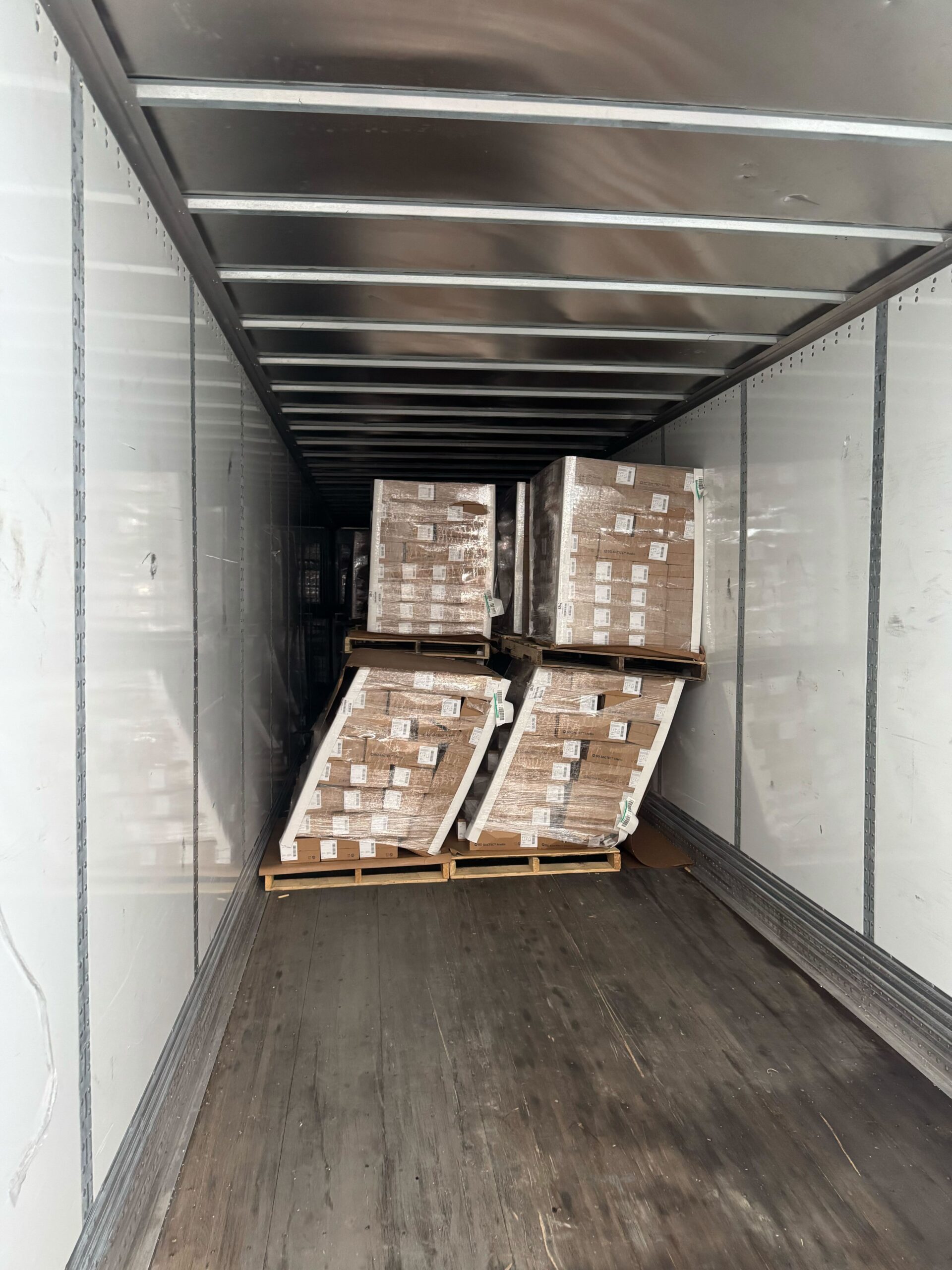
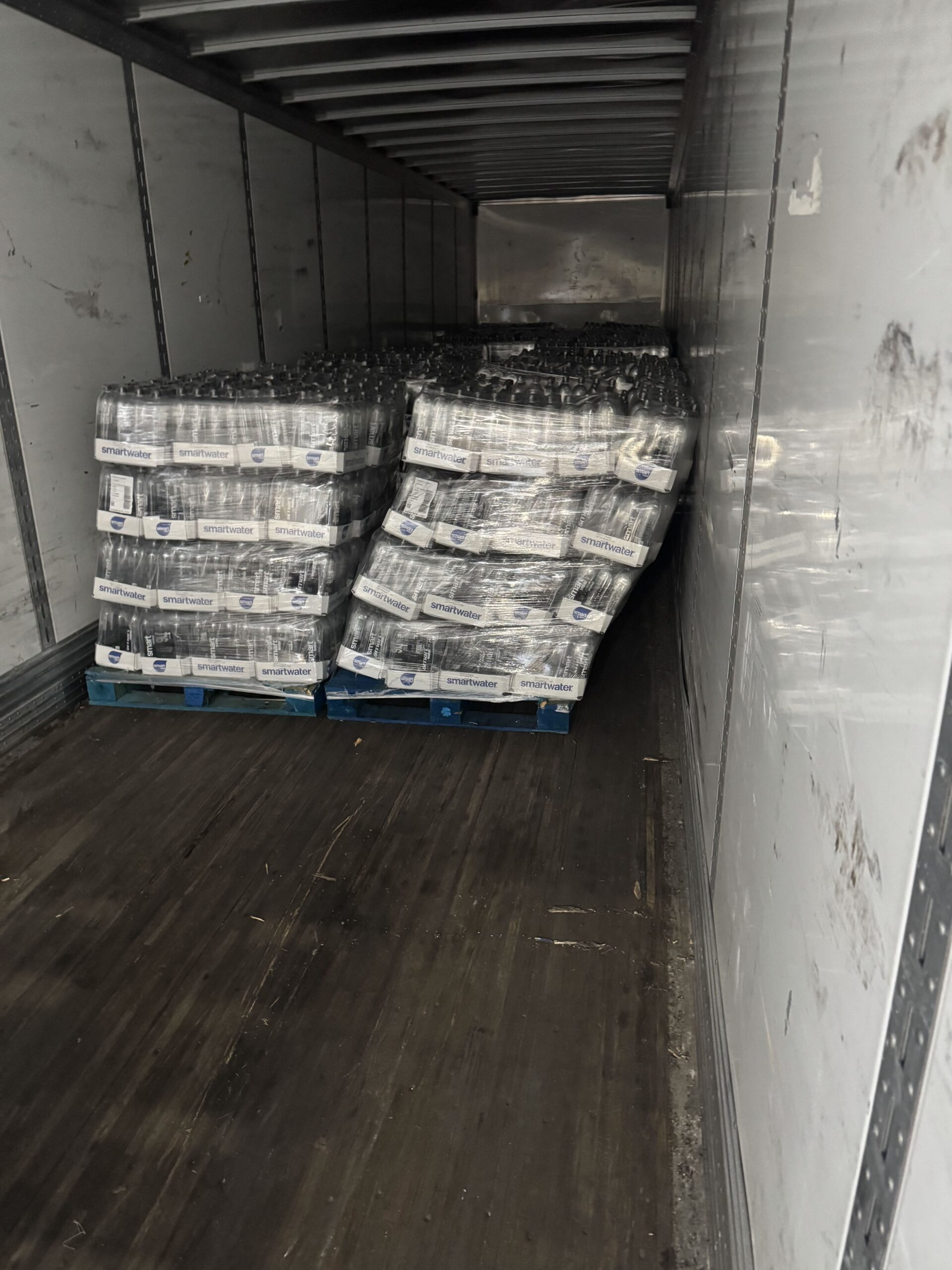
The receiver said no. The load shifted on the way in, pallets are leaning, cases at the bottom are crushed, and the driver is parked with freight nobody will sign for. Restacking means the warehouse unloads the truck, sorts good product from damaged, rebuilds the pallets to the receiver’s spec, rewraps them, and reloads the truck so the load can deliver.
That is the whole job. It is not complicated, but it is urgent, and it has to be done right. A rebuilt pallet that leans again on the way back helps nobody. A rebuild that ignores what the receiver asked for just sets up a second refusal.
If you are the broker, the dispatcher, or the driver sitting on a refused load in Illinois, the move is simple. Find a dock close to where the truck sits now, call it, and explain the load plainly. Do not sit on it. Every hour the truck waits, the receiver’s window moves and the driver’s day burns down.
What the crew does with a refused load
The crew starts by opening the trailer and reading how the load moved. Freight that leaned to one side in transit is a different job from freight that collapsed forward under braking, and both differ from a load built badly at the origin. Pallets that tipped, cases that slid, and wrap that tore all point to where the build failed. The crew notes it before anything comes off, because the pattern matters for the rebuild and the paperwork.
Next, the truck gets unloaded and the freight gets sorted. Good cases go to one area of the dock, damaged cases to another. The sort is case by case in the bad sections, not a quick glance. A case can look fine and be crushed on a corner, and a case that looks rough can hold product that is still sound. Tell the warehouse what the receiver asked for. If the receiver rejects dented cases outright, the crew needs to know before the sort, not after the rebuild.
Damaged product gets counted and set aside for the claim file. The broker, the shipper, and the carrier will all want that count, and it is easiest to get right while the freight sits in front of the crew. Photos of the damage, taken as it comes off, help the claim.
Then the rebuild starts. Pallets get rebuilt to the receiver’s requirements: a specific pallet type, a maximum height, a set case pattern where the receiver dictates one, or a weight limit per pallet. Receivers vary a lot. One wants freight on a certain pallet and nothing else. Another cares about height because of its racking or unload equipment. Another wants cases arranged so its crew can count fast.
Where a receiver requirement is unknown, the framing stays the same: tell the warehouse what the receiver asked for. If the refusal paperwork lists the reason, read it to the crew. If the receiver gave conditions for re-delivery by phone, pass them on word for word. The crew can build to a spec. They cannot guess one.
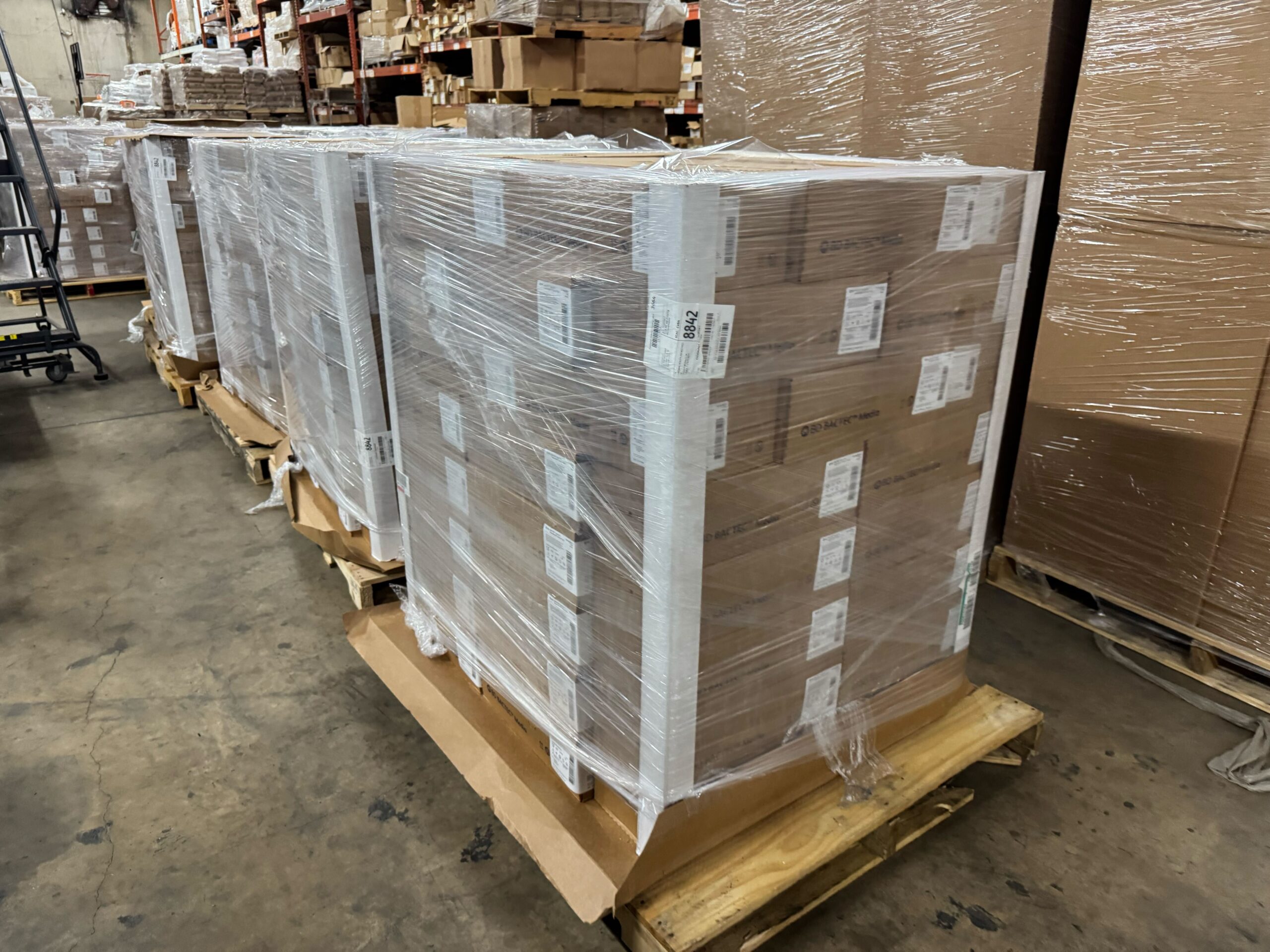
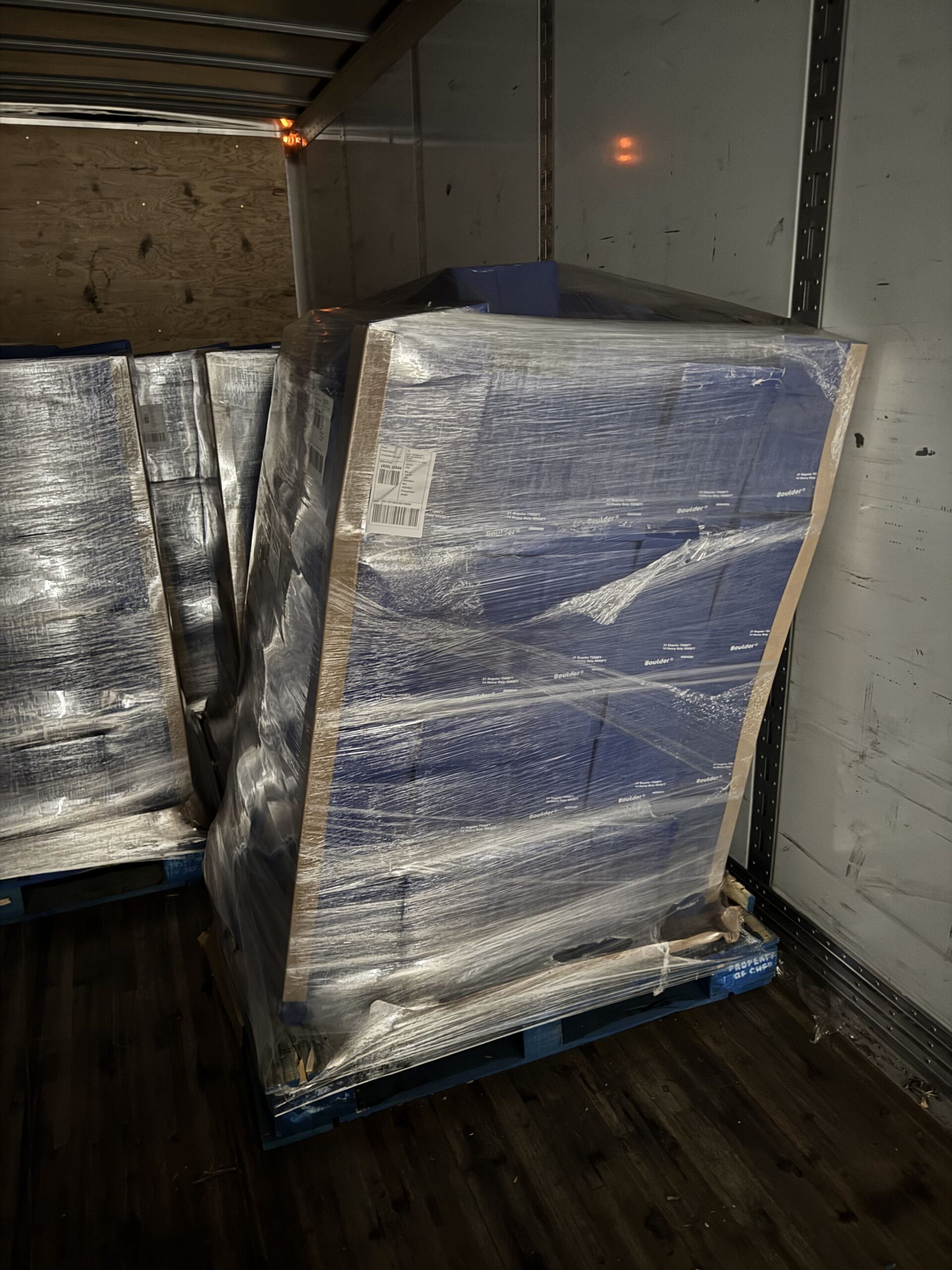
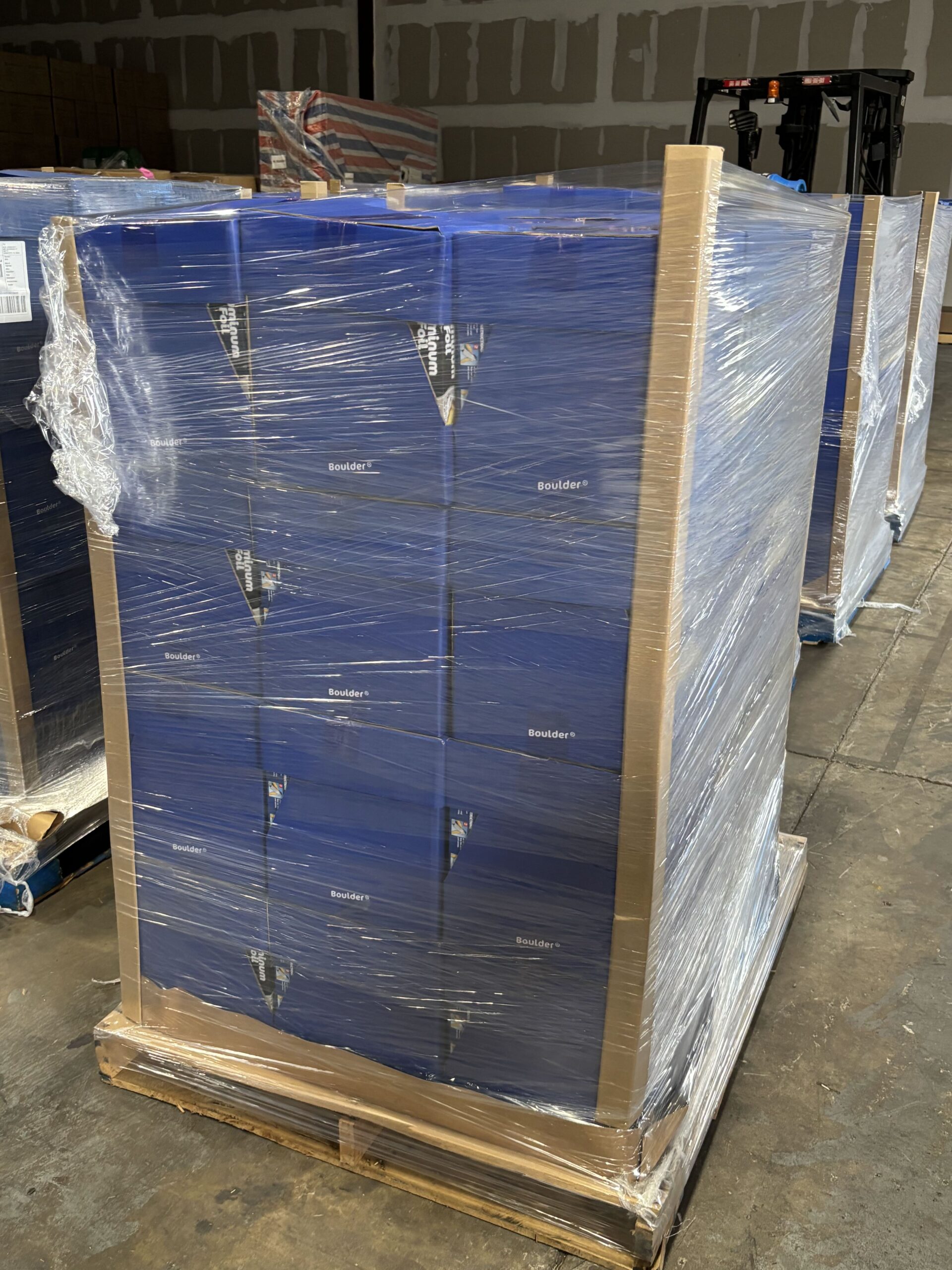
Corner boards and fresh wrap go on so the rebuilt pallets ride upright. Corner boards stiffen the stack and give the wrap something solid to pull against. Wrap goes on tight and complete, not a light pass for a short ride. The load still has a trip ahead of it, often back across the metro, and it has to arrive in the shape it left the dock.
Before reloading, the crew recounts against the paperwork. Good pallets, damaged cases, and total pieces should add up to what the bill of lading says came in. If the count is off, that gets settled on the dock, not at the receiver’s door.
Last, the truck gets reloaded so the weight sits right for the road. Heavy pallets go where they belong for axle weight and stability, and the load gets secured so the same shift does not happen again.
Refusals happen all over the map; the dock has to be close
A refusal can happen anywhere freight delivers in Illinois. Receivers and distribution centers sit across the Chicago metro and along the freight corridors that feed it, not in one neat cluster.
Freight moves into the region on I-55 from the southwest, on I-80 across the south side through Joliet, and on I-57 heading south from the city. I-88 runs west, I-90 and I-94 serve the north side and the O’Hare area, and I-294 and I-355 tie the corridors together as beltways. The warehouses that handle refused loads sit in that same ring.
A restack only works if the truck can reach the dock quickly from the refusal point. The driver has already lost time at the receiver, and the re-delivery appointment, once set, sets the deadline for everything else. A long drive to a distant warehouse eats the driver’s hours and the window the crew needs to rebuild properly.
That is why the listed warehouses sit spread across the metro ring. Bensenville sits by O’Hare on the northwest side, Des Plaines close by in the same corridor, and Glendale Heights in the western suburbs. Chicago covers the city and the south side approaches. Lockport sits on the I-55 side to the southwest, toward Joliet. A refusal on the north side is a different drive from one down the I-55 corridor, and the right warehouse is the one that keeps the truck’s next move short.
So the plain rule is this: call the closest listed warehouse first. If that crew is full, work outward from there. Distance is the difference between a rebuild that makes the re-delivery window and one that misses it before the first pallet comes off.
Do not drive to any dock unannounced. Warehouses run on appointments, dock doors get assigned, and crews get planned around work already booked. A truck that shows up without a call may sit while appointed trucks work, with no hands free at all. A short call first fixes that: the warehouse can say whether it can take the truck, when to send the driver, and which entrance to use. Same-day help is often possible based on availability, and next-day is commonly doable, but both start with the call.
Make the call, and make it complete
This page points you to a phone call, not a form, and that is deliberate. The job is today. The details are in the driver’s head and on the refusal paperwork in the cab. A written exchange costs hours the load does not have, and it takes several rounds to pull out information a short call covers at once.
On the call, the warehouse can ask the follow-up questions that matter. How bad is the lean. Can the driver open the doors safely, or will cases come out when the doors swing. Is the freight still on pallets, or on the floor. Those answers shape the unload plan.
Make the call complete. The more of this the warehouse hears up front, the faster it can say yes and plan the work:
- Where the truck is now, and where it was refused.
- What the load is, and how it shifted or why it was refused.
- What the receiver requires to accept the load on re-delivery.
- How many pallets are involved, and whether cases are damaged.
- When the receiver will take the re-delivery.
- Weight and dimensions of the items, or an itemized pack list.
Photos of the load help, if the driver has them. A photo of the lean or the crushed cases lets the crew judge the size of the job before the truck backs in, and decide how many hands to put on the unload. If the driver can send photos safely, send them while the truck is on its way.
Be straight about the condition of the freight. If half the load is on the floor, say so. A crew that plans for a light rewrap and meets a full collapse loses time re-planning at the dock. Also say who approves the work and who gets the damage count, in case the crew finds more damage inside than the outside suggested.
Once the warehouse says it can take the truck, confirm the basics before the driver rolls: arrival time, address and entrance, check-in procedure, and what paperwork the driver hands over. Then tell the receiver what is happening and get the re-delivery appointment set.
What the rebuild costs, and what moves it
There are no standard rates for this work, because no two refused loads are the same job. What a restack costs comes down to the work the load actually needs, set by a handful of drivers you can judge once the trailer doors open.
The biggest driver is how much of the load gets fully rebuilt. A pallet that leaned and needs to be broken down and restacked case by case is full work. A pallet that stayed sound and only needs to be handled, checked, and re-wrapped is lighter work. Most refused loads are a mix, and that split moves the price more than anything else.
The condition of the freight matters alongside that. Sorting good product from damaged takes time, and the worse the shift, the longer the sort. A few slid cases are a short sort. A load that collapsed across several pallets means the crew handles nearly every case.
Damaged product raises its own questions. The crew can sort it, count it, and set it aside, but what happens to it after that needs a decision. It may ride back, go back to the shipper, or need disposal. Confirm with the warehouse what it can take. Leaking product can mean dock cleanup as well, and that belongs in the first call.
Materials move the cost too. Pallets, wrap, and corner boards are the warehouse’s cost inputs, and a full rebuild consumes them on every pallet. Freight on broken or wrong pallets needs sound pallets under it before it goes back out.
The clock is the last driver. A crew pulled onto a refused load today is doing urgent work, often by reworking a dock schedule that was already set. That urgency is priced like urgent work, in plain terms. Calling early, with complete information, helps on timing and cost.
What does not help is shopping a refused load around for hours while the truck sits. The driver’s day does not come back, and the re-delivery window keeps moving. Get the full scope to one nearby warehouse, hear its price, and make the call. Ask how the warehouse handles a scope change, since loads often look worse inside than in photos.
Find a warehouse in Illinois
Start with the map page: Find a warehouse in Illinois. Call to confirm the warehouse takes restack work and has a crew free before you send the truck.
- Logistics Plus ORD, Bensenville: the Logistics Plus Chicago warehouse, described as a hub for businesses needing warehousing and fulfillment.
- Unilogic Group, Chicago: a US Customs Bonded Container Freight Station, based in Chicago, IL.
- FleetPro Leasing Inc IL, Des Plaines: a dedicated hub for logistics services tailored to suit your business.
- LSI Logistics Solutions, Glendale Heights: a 60,000 square feet facility with 6k lb capacity forklifts, with dock high and ground level loading.
- UGI Global, Lockport: provides flexible, reliable warehousing and logistics support for carriers.
Call the one closest to where the truck sits first. If the load also needs to be held, split, or moved on a different truck after the rebuild, say that on the same call, because it changes how the crew plans the dock work.
For the wider picture of freight services in the state, see Transloading in Illinois. If the load also needs to change trucks or split across deliveries, that is cross-dock work: see cross-docking in Illinois.
Frequently asked questions
Restacking means the warehouse unloads the truck, sorts good product from damaged, rebuilds the pallets to the receiver’s spec, rewraps them, and reloads the truck. It is the fix for a load that shifted, leaned, or collapsed in transit and got refused.
Call the closest listed warehouse and explain the load. Have ready where the truck is, where it was refused, why, and what the receiver requires to accept it. Do not drive to a dock unannounced, because the warehouse needs to confirm it can take the truck and has a crew free.
It starts with the call. Same-day help is often possible based on availability, and next-day is commonly doable, but timing depends on the size of the rebuild, the condition of the freight, and how busy the dock is when you call.
Tell the warehouse where the truck is and where it was refused, what the load is and how it shifted, what the receiver requires, how many pallets are involved, and whether cases are damaged. Weight and dimensions of the items, or an itemized pack list. Add when the receiver will take the re-delivery. Photos, if the driver has them, help the crew plan.
The crew sorts damaged product out, counts it, and sets it aside for the claim file while the good product gets rebuilt. What happens to it after that is your decision to confirm with the warehouse. Tell the warehouse what the receiver asked for on damaged cases, so the sort follows the receiver’s standards.
The cost turns on the work the load needs: how many pallets get fully rebuilt versus handled and re-wrapped only, how much sorting the damage requires, and the pallets, wrap, and corner boards the rebuild consumes. Urgent timing matters too. The warehouse prices the job once it hears the full scope on your call.
Yes, but explain the full scope when you contact the warehouse: every destination and how many pallets go to each. The warehouse may arrange outbound trucks, or you may arrange your own. Outbound is priced per truckload or per pallet depending on the load details and the warehouse’s rate structure.