One inbound load pulls in with freight for five receivers headed in three different directions. None of it needs a rack, and none of it should sit on the floor overnight. Cross-docking means the inbound load is unloaded, sorted by destination, and reloaded onto outbound trucks without going into storage. The freight changes trucks. It does not change its plan.
A trailer comes in from a plant or a rail ramp. The crew breaks it down, builds a pile for each receiver, checks the counts, and loads the outbound trucks as they back in. When the lineup is right, the last outbound door closes the same day the inbound door opened.
If the outbound trucks are not lined up, it is not a cross-dock anymore. It is freight sitting in a warehouse, waiting on decisions. The national Cross-docking page covers the service in general terms. This page stays on the Chicago region, where much of the work starts at a rail ramp.
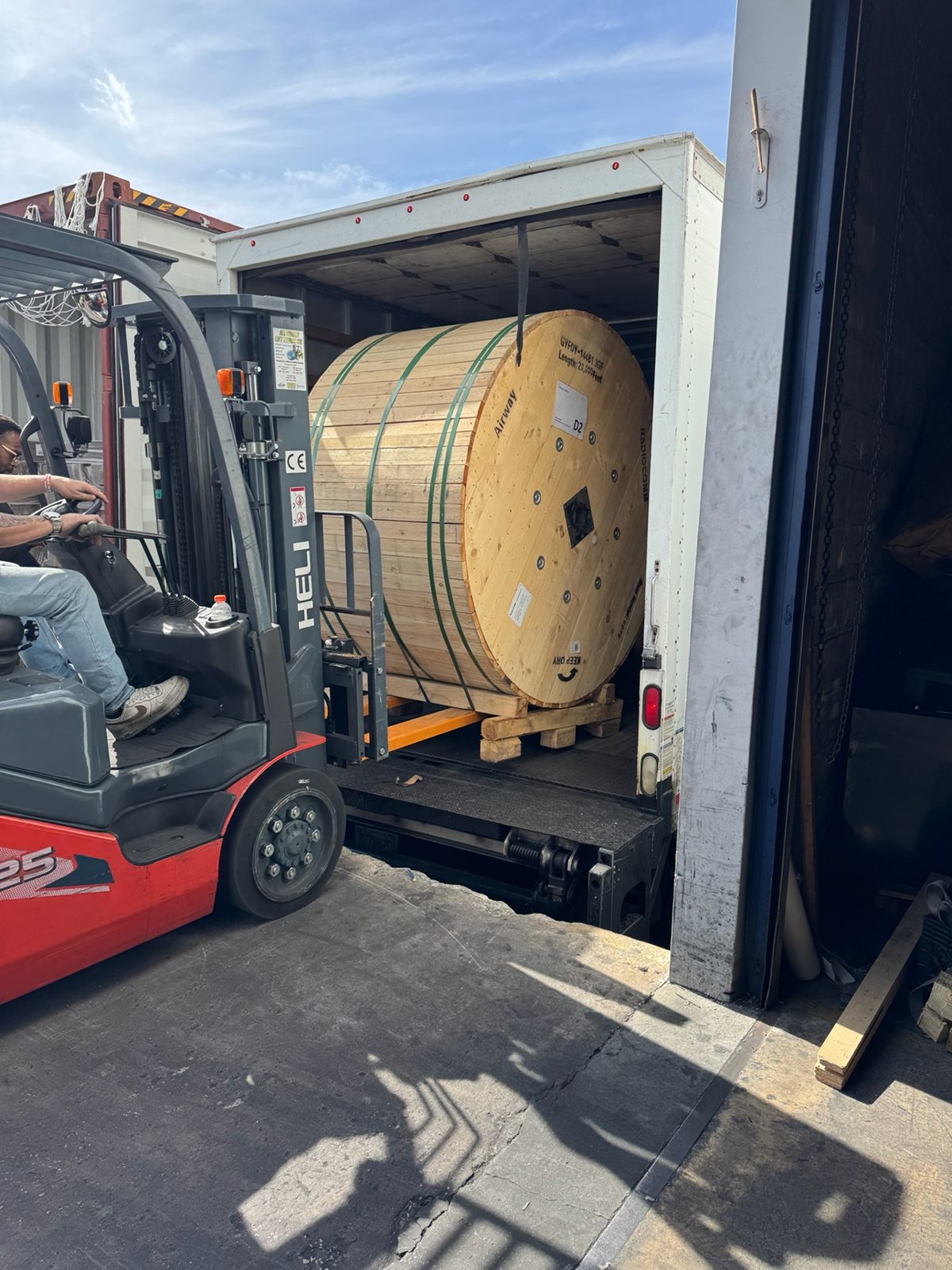
Chicago is where loads change direction
Chicago is the main interchange point between the western and eastern railroads. About 25 percent of all freight trains and 50 percent of all intermodal trains in the nation pass through metropolitan Chicago. Freight that starts on one coast often has to change railroads here. A lot of it changes to a truck instead.
Six Class I railroads converge in Chicago: BNSF, Canadian National, Canadian Pacific Kansas City, CSX, Norfolk Southern, and Union Pacific. Chicago is the only place in North America where all six meet. That is why so many containers come off ramps here with a long truck ride ahead.
The ramps sit along the freight corridors: BNSF Logistics Park and the UP Joliet terminal at Joliet and Elwood on I-55, CSX Bedford Park near I-55 and I-294, BNSF Corwith and the Norfolk Southern yards on the south side, CN Gateway at Markham, and the Canadian Pacific Kansas City yard at Bensenville, next to O’Hare. I-80 crosses south of the city through Joliet, I-57 runs south toward Memphis, and I-90 and I-94 serve the north side.
The Chicago region holds roughly 1.1 billion square feet of industrial development. Trucks account for about one in seven vehicles on the region’s urban Interstates, and some facilities carry over 30,000 trucks a day.
Both kinds of cross-dock are normal here. Rail-to-truck work starts with a container off a ramp: drayaged to a nearby warehouse, unloaded, sorted, and loaded onto domestic outbound trucks. Truck-to-truck work starts with a trailer loaded for efficiency at origin, not for delivery, and the warehouse splits it into single-destination loads. The handling is similar. The arrival pattern and the clock are different.
The dock day: in, sorted, out
Most warehouses need advance appointments for cross-dock work. Appointment times, live unload versus drop trailer, and lead time procedures vary by warehouse, so contact the warehouse in advance and never show up unannounced. A cross-dock needs a door, a crew, and floor space for the sort at the same time. The sort floor does not stretch.
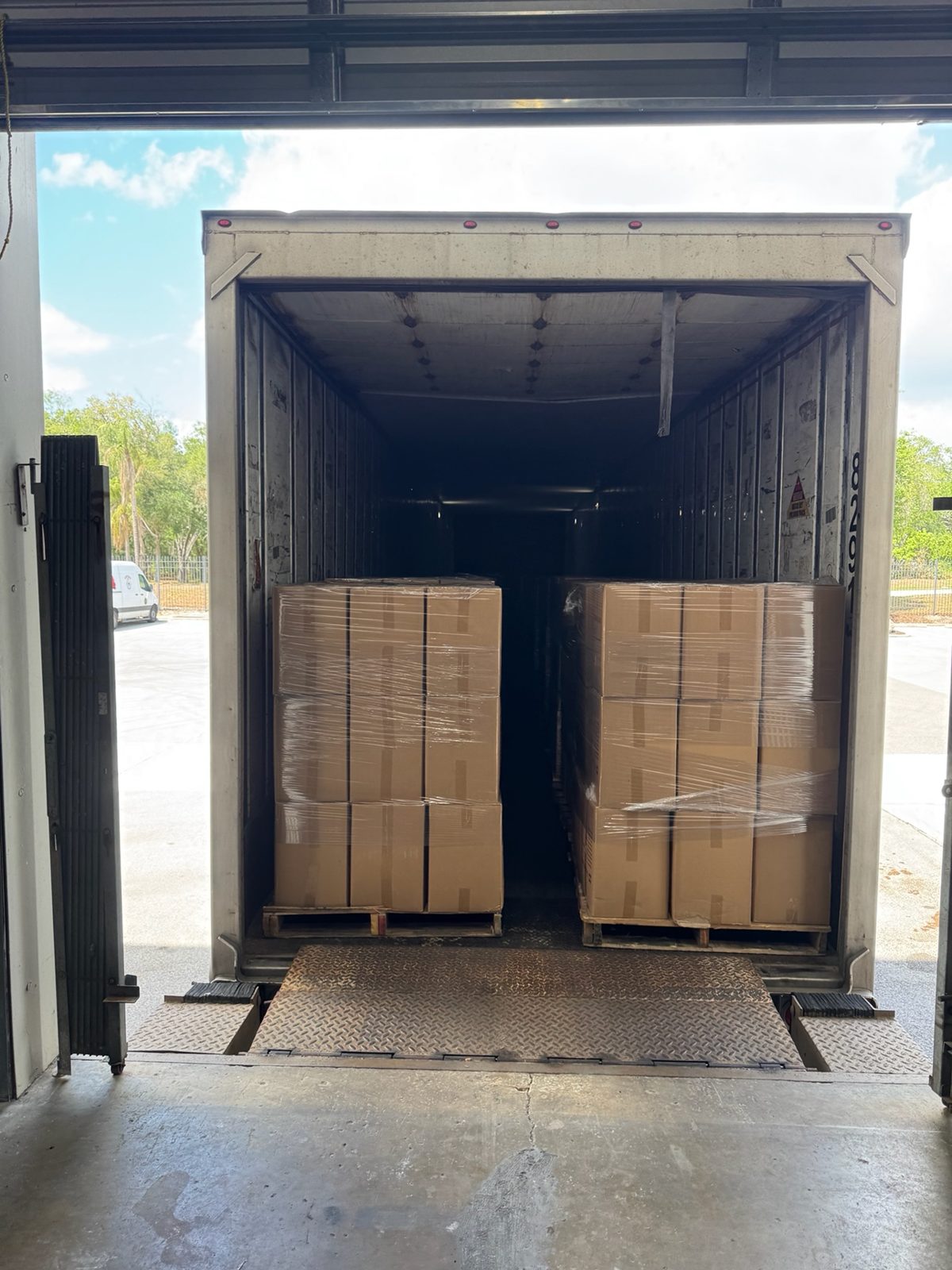
When the inbound truck backs in, the load type sets the pace. A palletized 40-foot container unloads by forklift in 30 to 60 minutes. A floor-loaded 40 takes 2 to 5 hours of hand work to unload. The sort cannot start until the freight is out and visible. Plan on about 20 pallet positions out of a 40-foot container and about 10 out of a 20-foot container. Those are working counts, not promises. The real number depends on item size and how the freight was loaded.
The sort works from the split scope sent in advance. Pallets are segregated by destination and each pile is labeled. Mixed pallets get broken down and rebuilt by destination. Loose cartons get sorted, palletized, and labeled.
Counts get checked against the pack list as the sort runs, not after the outbound trucks are loaded. That is when a shortage or an overage can still be fixed with a phone call. Once a truck is sealed and gone, the same problem becomes a claim.
Outbound trucks load their own shares as they arrive. A destination with a full trailer load gets a full trailer. A destination with a few pallets rides LTL instead of holding the whole job for a truck it will never fill. Loading order follows the outbound lineup. If one receiver has a hard appointment window, that pile loads first.
One load in, several trucks out
Split delivery is the most common reason a load cross-docks at all. One inbound trailer or container carries freight for several receivers, and none of them wants the whole load.
The rule that makes split work run well is simple: explain the full scope up front. Every destination, and the pallets headed to each one, needs to be in the first conversation. A sort planned for three destinations that turns into six on the dock is a different job, with more label work and more chances to mix freight. The crew can handle the bigger job if they know before the inbound door opens.
Outbound trucking can be handled either way. The warehouse may arrange the outbound trucks, or you may arrange your own and send them in on the schedule the warehouse sets. What does not work is leaving the question open until the sort is done.
Outbound is priced per truckload or per pallet, depending on the load details and the warehouse rate structure.
Split loads also need clean identification. If the cartons arrive marked by receiver, store, or purchase order, tell the warehouse what the marks mean and send the pack list that ties them together. If the freight arrives unmarked, say that too. The sort will take longer.
What decides whether it turns the same day
Same-day help is often possible based on availability, and next-day is commonly doable. Neither is a promise. A turn depends on the dock, the crew, and the outbound lineup that day, and any warehouse that guarantees a same-day turn before seeing the load details is guessing.
The first decider is the accuracy of the booking. A load that shows up as described turns fast: pallet count close to what was quoted, split instructions that match the marks on the cartons. A floor-loaded container booked as palletized freight adds hours of hand work before the sort can start. Cartons with no destination marks add a second, slower sort at the carton level, and the original time estimate goes with it.
The second decider is the outbound lineup. Freight can only leave as fast as trucks arrive to take it. If the outbound carriers are booked and given appointment times, the floor clears as the sort finishes. The most common cause of a missed same-day turn is not slow unloading. It is outbound trucks that were never lined up.
The third decider is the road. Winter in Chicago is a real operating factor: snow and hard cold slow drayage, ramp work, and dock schedules in the winter months. A container that should have left the ramp in the morning may reach the warehouse in the afternoon. Congestion does the same in smaller doses all year. Build the plan around the latest realistic arrival, not the earliest hopeful one.
What sets the number on the quote
Cross-dock pricing is built from the work the load creates, not from the value of the freight or the length of the haul. No single driver explains a quote, which is why two loads with the same pallet count can price differently.
The first driver is units touched through the sort. Every pallet or carton gets handled at least twice: off the inbound truck and onto the outbound truck, with the sort in between. Clean, single-destination pallets touch less than mixed cartons that have to be broken down and rebuilt.
The second driver is load type. A palletized load comes off with a forklift and the sort starts right away. A loose or floor-loaded container needs a hand unload, a devan, before the sort can start. That labor sits on top of the sort work.
The third driver is the number of destinations and the label work. Each destination is another pile to build, label, count, and keep separate. Receiver label specs add time too: specific labels or pallet patterns mean the crew builds to that spec.
The fourth driver is the outbound shape. Full trailer loads load fast and price clean. Several small shipments mean several bills, several carrier handoffs, and more time per pallet at the door.
The fifth driver is speed. A crew and a dock slot held for your same-day window is a different commitment than fitting the job into the next day flow. Rush work is priced like what it is: capacity reserved for your load.
When you compare quotes, compare the scope each one assumed. A low quote built on a palletized load and three destinations is not a better price than a higher quote built on the floor-loaded load and six destinations you actually have.
What to send for a quote
Send a packet that lets the crew picture the job before the truck arrives:
- Load type: palletized, floor-loaded, or loose cartons, plus the inbound equipment, trailer or container.
- Pallet count expected off the inbound load, and the carton count if the freight is mixed.
- Weight and dimensions of the items, or an itemized pack list.
- Every destination, with the pallets or cartons headed to each one.
- The inbound arrival window, and where the load is coming from, ramp, plant, or another warehouse.
- Who lines up the outbound trucks, the warehouse or you, and the outbound appointment windows if you have them.
- Anything the crew should know about the freight: fragile items, top-heavy pallets, liquid or leaking damage, label specs for specific receivers.
- How the freight is marked: receiver names, store numbers, or purchase order numbers on the cartons, or no marks at all.
Quote requests go directly to the warehouse. The warehouse answers as soon as it can, normally within 24 hours or less. If the turn is urgent, say so in the first message and follow up with a call. A complete packet gets a firmer quote than a partial one.
Find a cross-dock warehouse in Illinois
The listings on the Find a warehouse in Illinois map page are the starting point. Each warehouse was looked up before it listed and its services were confirmed, but cross-dock capacity changes with the dock schedule. Call to confirm the warehouse can take your load, on your dates, before you route freight toward it.
- Logistics Plus ORD, Bensenville: the Chicago warehouse is described as a hub for warehousing and fulfillment. Call to confirm cross-dock availability and dock hours.
- Unilogic Group, Chicago: a US Customs Bonded Container Freight Station based in Chicago. Call to confirm whether your ramp freight fits its bonded work and schedule.
- FleetPro Leasing Inc IL, Des Plaines: described as a dedicated hub for logistics services built around each business. Call to confirm the services it will take on and whether a cross-dock fits.
- LSI Logistics Solutions, Glendale Heights: a 60,000 square feet facility with 6k lb capacity forklifts, with dock high and ground level loading. Call to confirm sort space and appointment times.
- UGI Global, Lockport: provides flexible warehousing and logistics support for carriers from its Lockport base. Call to confirm carrier cross-dock work and outbound handling.
If your freight is coming off a container and changing modes as well as trucks, the pillar page on Transloading in Illinois covers that work in full. If the freight cannot move out the same day or the next day, it belongs in short-term storage instead, where a short hold is the plan rather than a problem.
Frequently asked questions
Cross-docking means the inbound load is unloaded, sorted by destination, and reloaded onto outbound trucks without going into storage. Short-term storage is a planned hold, where freight sits until the receiver or the next truck is ready. If the trucks are lined up, it is a cross-dock; if the plan is to decide later, it is storage.
Chicago is the interchange point between the western and eastern railroads, and about 25 percent of freight trains and 50 percent of intermodal trains in the nation pass through the region. Freight that changes railroads here often changes to trucks here too, while it is already stopped. Sorting it further down the road means hauling unsorted freight past the best place to split it.
Same-day turns are often possible based on availability, and next-day turns are commonly doable, but neither is promised before the warehouse sees the load. The unload pace sets the floor: a palletized 40-foot container unloads by forklift in 30 to 60 minutes, while a floor-loaded 40 takes 2 to 5 hours of hand work. The outbound lineup decides the rest.
Yes, split delivery is standard cross-dock work, as long as the warehouse gets the full scope up front: every destination and the pallets headed to each one. The warehouse may arrange the outbound trucks, or you may book your own. Outbound is priced per truckload or per pallet, depending on the load details and the warehouse rate structure.
A container off a ramp can cross-dock the same way a trailer can. It is drayaged to the warehouse, unloaded, sorted by destination, and loaded onto outbound trucks. The difference is timing: ramp freight adds a drayage leg, and a floor-loaded container adds hand unload time before the sort starts.
The price is built from the work: units touched through the sort, forklift unload versus hand devan, the number of destinations and label work, the outbound shape, and the speed you need. A clean load of single-destination pallets prices lower than a mixed floor-loaded container split six ways. Send the full scope and the warehouse can price the job you actually have.
Send the load type and expected pallet count, every destination with pallets per destination, the inbound arrival window, and who lines up the outbound trucks. Weight and dimensions of the items, or an itemized pack list. Add anything the crew should know, such as fragile items or receiver label specs.