
When a load gets refused on a North Carolina corridor
A restack call usually starts from a dock or from the cab of a truck, and the clock is already running. The receiver looked at the load, said no, and the driver needs a warehouse that can rebuild it and get him back on the road.
First story: a load came inland after a container was opened, was built to pallets, and went on to a receiver in Charlotte. When the trailer doors opened, the pallets had shifted enough that the receiver would not take it. The driver cannot sort that out by hand at the dock. He needs a nearby warehouse to take the trailer, square the load up, and send him back with freight the next receiver will accept.
Second story: a truck is running on I-40, or north on I-85 toward the Triad or the Triangle, and the driver can feel the load moving behind him. He may not have been refused yet. He can see the lean when he checks the trailer, and he knows the next receiver is likely to turn him away. The move is the same: stop, call ahead, and rebuild the load before another receiver refuses it.
In both cases, the freight itself may be fine. The way it sits in the trailer is not. Restack is a call-first job. Do not email and wait for a written reply. Call the warehouse directly, explain where the truck sits and what happened, and let the warehouse fast-track the job from that call. Contact the warehouse in advance and agree on a dock time. Never show up unannounced with a shifted load.
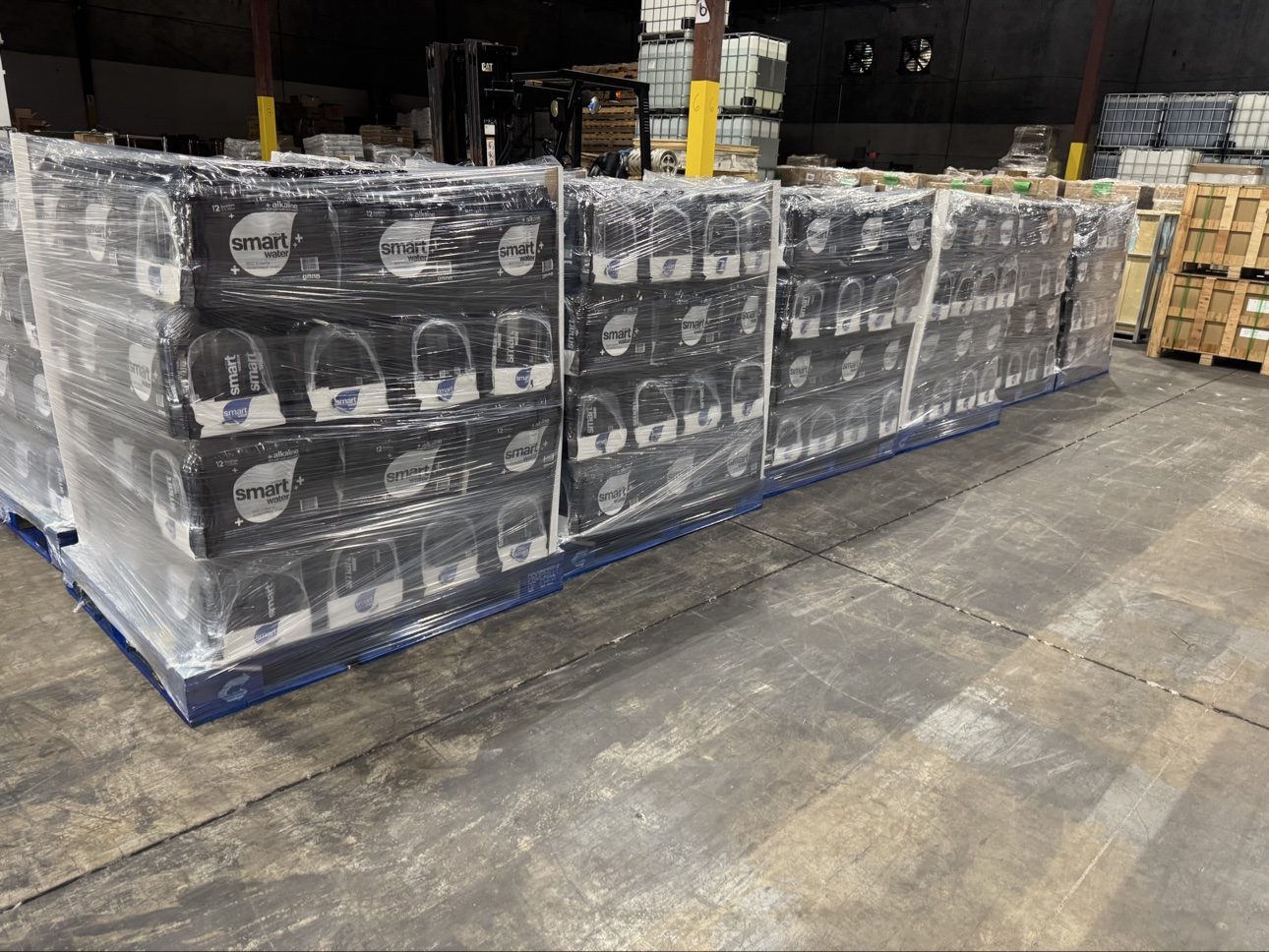
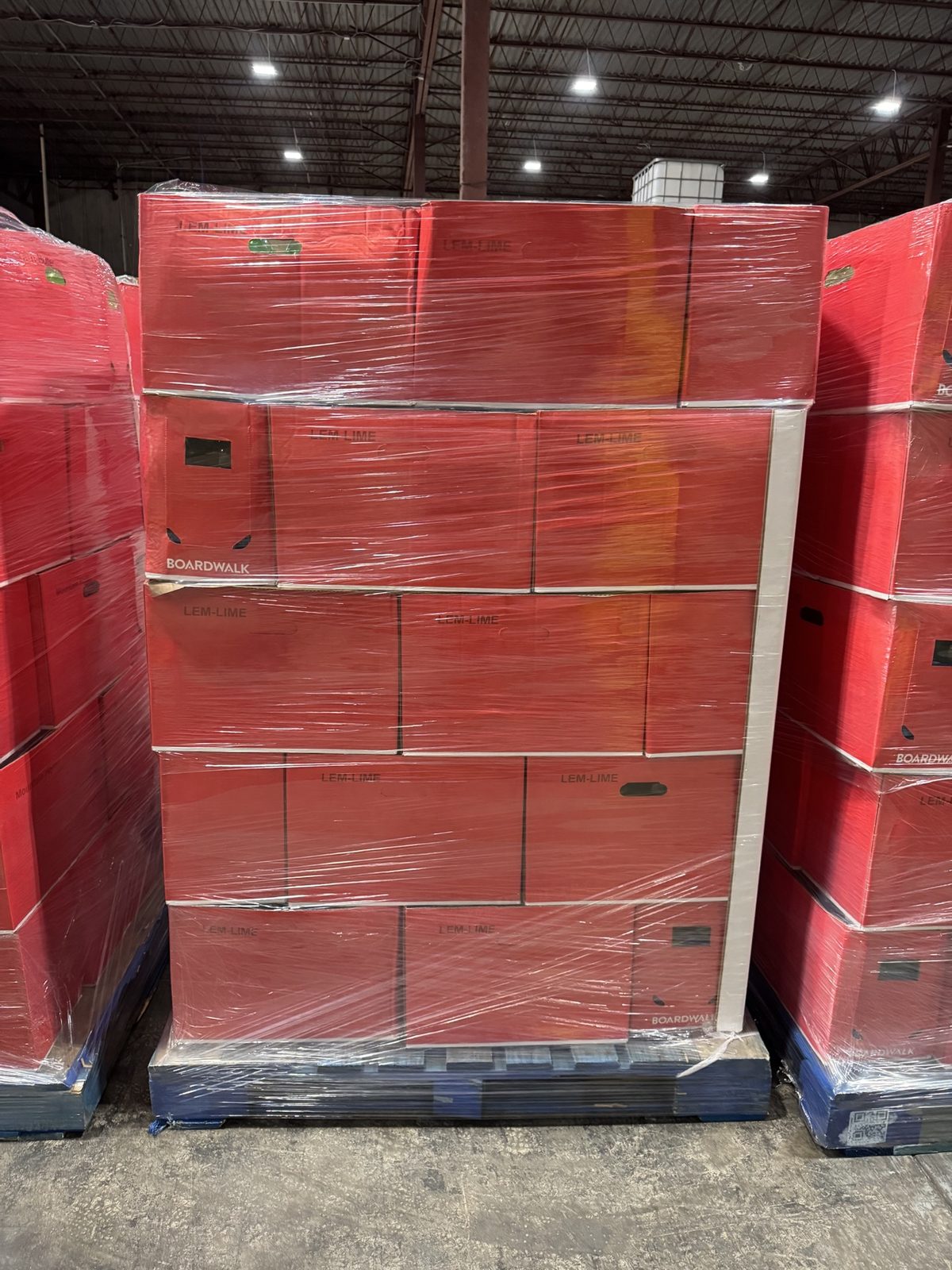
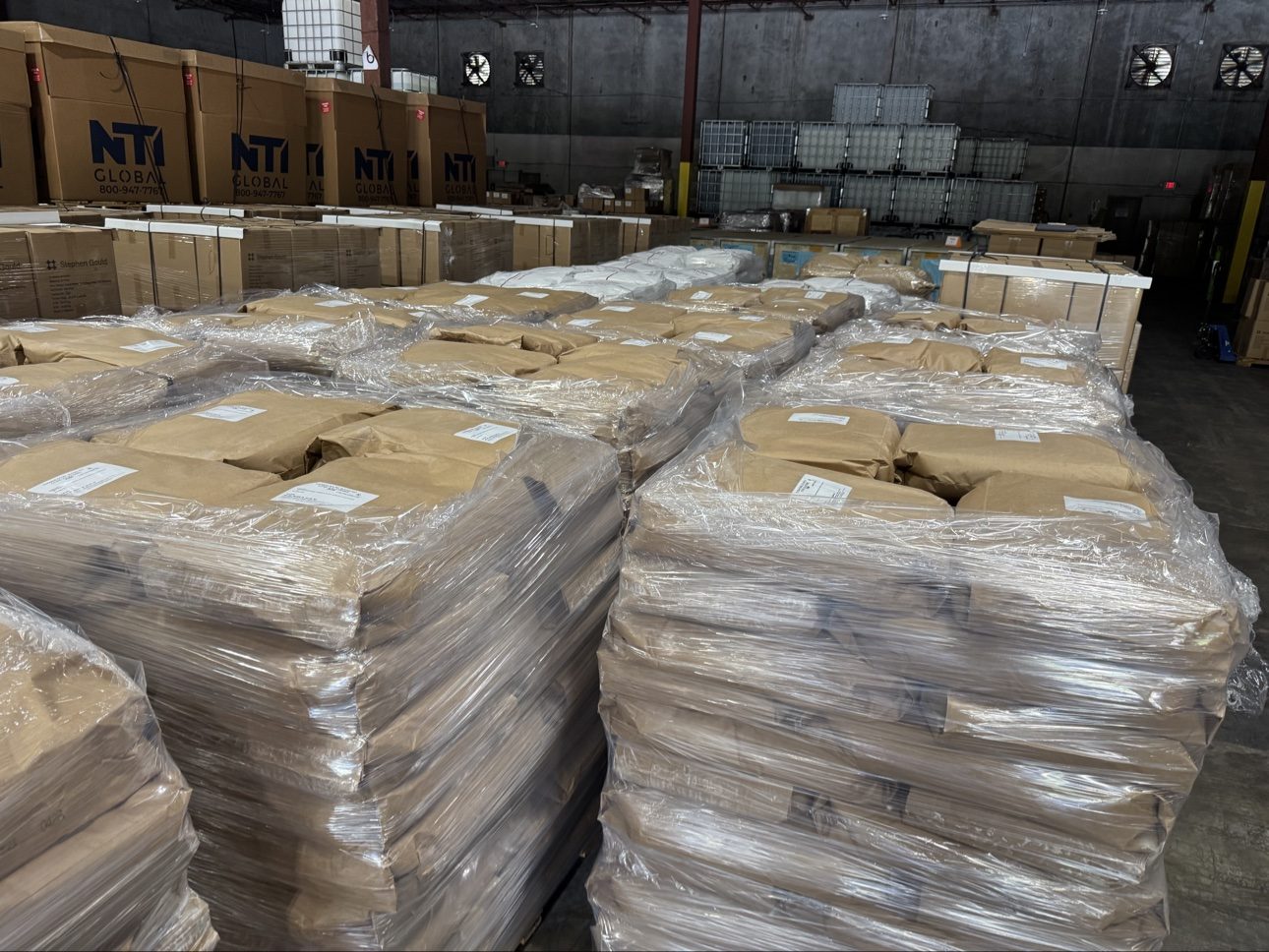
While the driver waits, stop the meter
A refused load costs money in more than one place. The driver is stuck, the delivery is late, and charges tied to the trailer can keep running while the truck sits. That is why the first call matters as much as the rebuild.
If the load came out of a container, the trailer or chassis may be on a clock tied to free time at the terminal. National guides put free time at about 4 days, demurrage at about 200 to 400 dollars per day, and per diem at about 75 to 200 dollars per day. Those are national guide figures only, not a Wilmington or North Carolina terminal tariff. Confirm the exact clock and rate with the carrier or terminal, and confirm the restack price with the warehouse. The warehouse’s cost is separate from what the client pays.
Same-day work is often possible based on availability. Next-day work is commonly doable. Neither is a promise until the warehouse has heard the details and checked crew and dock space, so confirm timing on the call. Most listed warehouses work by appointment and are open Monday to Friday, so a weekend refusal needs a plan for where the truck sits until the warehouse can take it. Confirm hours with the listing.
Pick the warehouse by where the truck already sits
North Carolina restack work is corridor work. The warehouses are not at the port, and they are not in one city. They sit in the Piedmont and in western North Carolina, along the roads the freight already travels. Pick the warehouse by where the truck already sits, not by which port the freight entered through.
If the truck is in Charlotte, look in the Charlotte area, on I-77 and I-85. If it is in the Triad, look around Greensboro, Lexington, or Winston-Salem, where I-40 and I-85 cross. If it is headed for the Triangle, Durham sits on I-40 and I-85 and is the easternmost listing city in the state. If it is in western North Carolina, Fletcher sits on the I-26 corridor near Asheville, with Charleston-gateway freight running up I-26 toward that area. Shorter travel means less time with a shifted load on the road, and a faster return to the receiver.
Not every listing on the North Carolina map offers restack, so verify the services offered by each warehouse before the driver heads that way. Each listing page shows what that warehouse claims to handle. Use that detail, then confirm on the phone.
Find the listings here: Find a Warehouse in North Carolina.
What happens once the crew gets the load
The restack flow runs in a set order, and it starts before the truck reaches the restack warehouse.
First, the receiver rejects the load. Someone sources a restack warehouse, usually sharing photos of the shifted load so the warehouse can see what it is dealing with. Those photos help the warehouse judge the job before the truck arrives.
Next, the truck arrives and the warehouse evaluates the load. The crew looks at how the pallets shifted, how much of the load is affected, and whether any freight is damaged. If requested, the warehouse can take photos and estimate pallets to restack before beginning.
Then the crew restacks the load. The crew normally restacks inside the trailer because shifted pallets cannot be safely moved. Expect the work in the trailer the driver brought in, not on a dock floor. The full load is restacked, not just the pallets that look worst from the door, since a partial fix can leave a lean further back that the next receiver will catch.
A standard restack rebuilds to match the original configuration, so the receiver can take it without a second argument about how it was loaded. If the shipper wants banding, that is extra, and it is handled during quoting. Say so on the first call if banding is part of what the receiver expects.
Finally, the invoice is issued and paid in full before the driver is released with corrected freight. The broker or shipper paying the bill should be reachable while the work is happening, since a driver waiting on payment approval after the rebuild is still not moving.
The call that turns into a price and a dock time
No restack has a set price printed here. The price depends on what the crew finds when the trailer doors open. Have this ready on the call:
- Where the truck sits now, and where it was refused if it was refused
- Freight type, packing, trailer type and size, and pallet count
- How many pallets look shifted or damaged, and photos if you have them
- Weight and dimensions of the items, or an itemized pack list
- Why the receiver refused the load, visible damage, and the destination after the rebuild
Photos help the warehouse estimate pallets to restack before beginning, if you ask for that step. They do not replace the warehouse’s own evaluation on arrival, but they can turn a vague call into a dock time and a price the warehouse can stand behind. On the same call, confirm who pays, since payment in full comes before release, and confirm the dock time and a contact number for the driver.
Why one restack quotes higher than another
Two refused loads can look alike on paper and quote differently, because the work inside the trailer differs. Pallet count comes first: a full load restack takes more crew time, and how far the pallets shifted shapes the labor. Freight type comes second: heavy, bulky, or awkward freight takes longer to handle safely inside a trailer than light, uniform pallets.
Damage comes third: broken pallets, torn packaging, or damaged product may need rework, or damaged freight set aside as the warehouse directs. Extras come fourth: banding is extra and is handled during quoting, and any added step the receiver asks for can move the quote. Confirm each extra on the call so it shows up before work starts, not after.
Timing can also move the quote. A job that needs a crew right away may cost more than one booked for the next open slot. No exact warehouse rate is printed here. Expect the quote to change if the crew finds more shift or damage than the photos showed. That is normal for restack work, and it is why the evaluation step matters.
Once the pallets are square again, three ways the load leaves
Agree on how the load leaves before the crew starts. The normal way is back on the original trailer. Restacks normally reload back onto the original trailer with no storage. The driver leaves with the same trailer, now carrying corrected freight. This is the fastest path.
The second way is a hold, then redelivery. Storage and redelivery are available on request, with terms varying by warehouse. A hold can help when the receiver cannot take the load again right away. Confirm hold terms, hold length, and redelivery timing with the warehouse first, since storage terms vary and not every listing tags storage.
The third way is a split. One rebuilt load can go out to several destinations instead of back to one receiver. Split delivery is covered by the listed warehouses, as long as the split is raised during the quote process so the warehouse quotes the proper scope of work. When a split is agreed, the shipper must explain the full scope when contacting the warehouse: every destination, and pallets per destination. The warehouse may arrange outbound trucks, or the shipper may arrange their own. Outbound freight is priced per truckload or per pallet depending on load details and the warehouse’s rate structure.
On trailer math, 3×40 into 2×53 holds only for lightweight palletized freight. A loose-loaded 40 built to pallets can take two dry vans on its own. Heavy palletized freight weighs a dry van out before it cubes out. Never treat the 3 to 2 ratio as a safe assumption. Confirm the outbound trailer plan with the warehouse for the actual weight and pallet count.
If the load needs more than a rebuild, such as short-term storage, cross-dock handling, or container unloading for a later leg, discuss those as separate services. For a full transload after the rebuild, see Transloading in North Carolina.
On guarantees, be plain. TransloadNow warehouses as a group do not offer a blanket guarantee on restack work. Individual warehouses set their own terms, so confirm the terms with the warehouse handling the load. Warehousing Etc in Tampa offers a restack delivery guarantee on its own work, as an example of an individual warehouse term, not as a North Carolina promise.
FAQs
Call a listed North Carolina warehouse near where the truck already sits, in Charlotte, the Triad, Durham, or Fletcher, and verify the services offered by each warehouse first. Not every listing offers restack, so check the listing detail and confirm on the phone before the driver heads that way. Contact the warehouse in advance and agree on a dock time. Never send the driver unannounced with a shifted load.
Call the warehouse directly. Same-day work is often possible based on availability, and next-day work is commonly doable, but neither is confirmed until the warehouse hears the details and checks crew and dock space. Have ready the truck location, freight type, trailer type, pallet count, rejection reason, visible damage, photos if you have them, and the destination after the rebuild. Also have ready: Weight and dimensions of the items, or an itemized pack list. Confirm who pays, since the invoice is paid in full before the driver is released.
The receiver rejects the load, and someone sources a restack warehouse, usually sharing photos. The truck arrives and the warehouse evaluates the load. If requested, the warehouse can take photos and estimate pallets to restack before beginning. The crew normally restacks inside the trailer because shifted pallets cannot be safely moved. The full load is restacked to match the original configuration, and the driver is released with corrected freight after the invoice is paid in full.
Yes, if you request it. The warehouse can take photos and estimate pallets to restack before beginning, after its own evaluation. Photos you share on the first call can also help the warehouse judge the scope before the truck arrives. The estimate may change if the crew finds more shift or damage inside the trailer than the photos showed, so confirm the final scope and price with the warehouse as the work is evaluated.
The price depends on what the crew finds inside the trailer. Pallet count, freight type, how far the load shifted, damage, extras such as banding, and timing all move the quote. Banding is extra and is handled during quoting. No exact warehouse rate is printed here. A vague call gets a vague quote, so send the full checklist on the first call.
Restacks normally reload back onto the original trailer with no storage, and that is the fastest path. Storage and redelivery are available on request, with terms varying by warehouse. Confirm hold terms, hold length, and redelivery timing with the warehouse before choosing a hold, and confirm that the listing handles storage. A hold can help when the receiver cannot take the load again right away, but it is a separate agreement from the rebuild.
Split delivery is covered by the listed warehouses, as long as the split is raised during the quote process so the warehouse quotes the proper scope of work. When a split is agreed, the shipper must explain the full scope when contacting the warehouse: every destination, and pallets per destination. The warehouse may arrange outbound trucks, or the shipper may arrange their own. Outbound freight is priced per truckload or per pallet depending on load details and the warehouse’s rate structure. Confirm the outbound trailer plan with the warehouse, since heavy freight can weigh a dry van out before it cubes out.
Find a restack warehouse on the North Carolina map
Call, do not email and wait. Pick the listing near where the truck sits, verify the warehouse offers restack, share photos, and agree on a dock time and payment before the driver rolls. Start here: Find a Warehouse in North Carolina.