The inland hold problem
Freight does not usually need a short-term hold in North Carolina because a port terminal is backed up. It needs a hold because the next step is not ready yet: a receiver pushes a delivery date back, a primary 3PL is full, freight staged for Carolina distribution arrives early, or a broker has a load in the state with nowhere to put it while the final plan gets sorted out.
That is the hold this page is about. The freight is already in North Carolina, or on its way inland, and it needs a place to sit for days, weeks, or a few months while the distribution plan catches up. The wait is about receivers and delivery windows, not about a clock running at a coastal terminal.
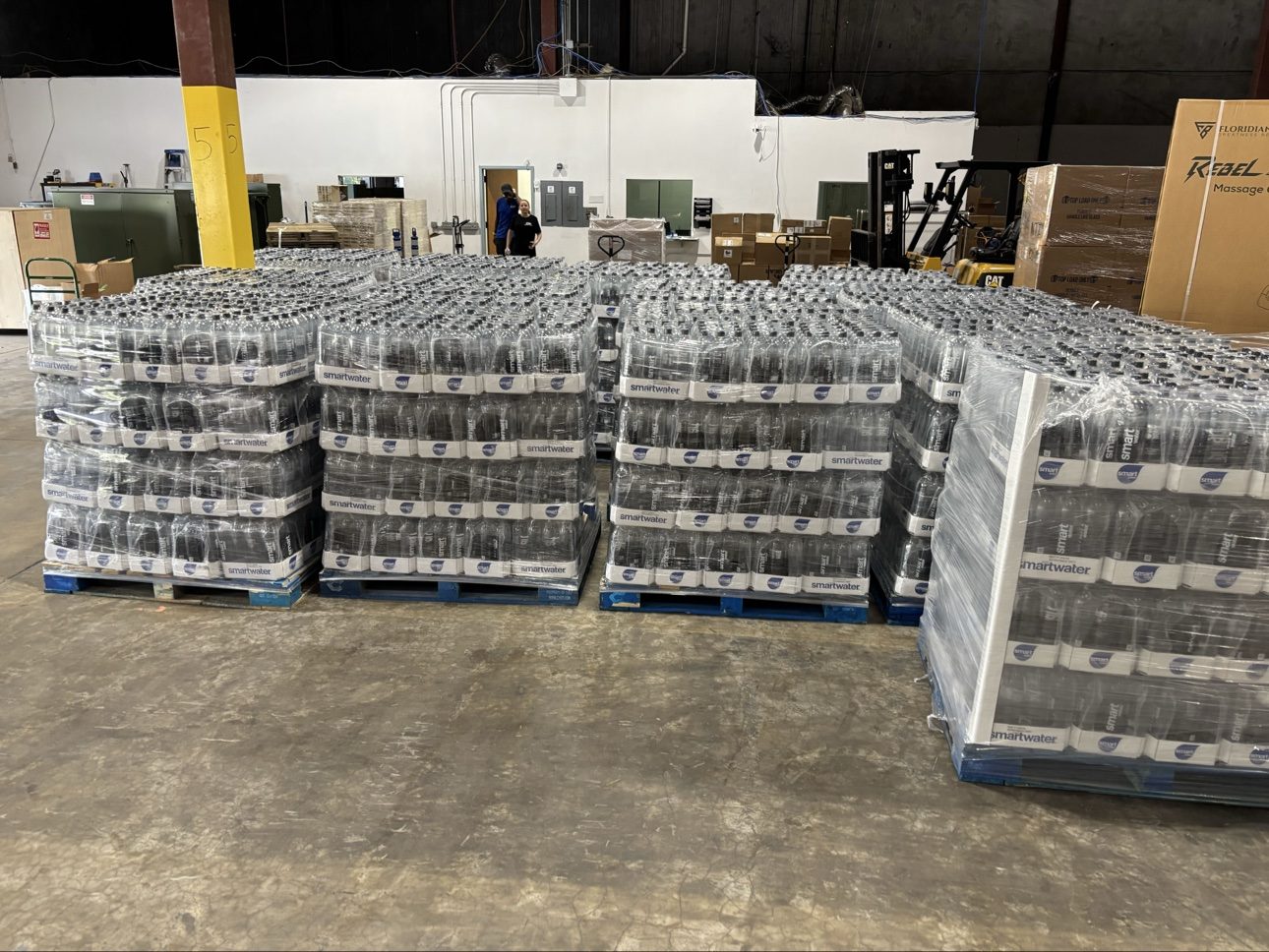
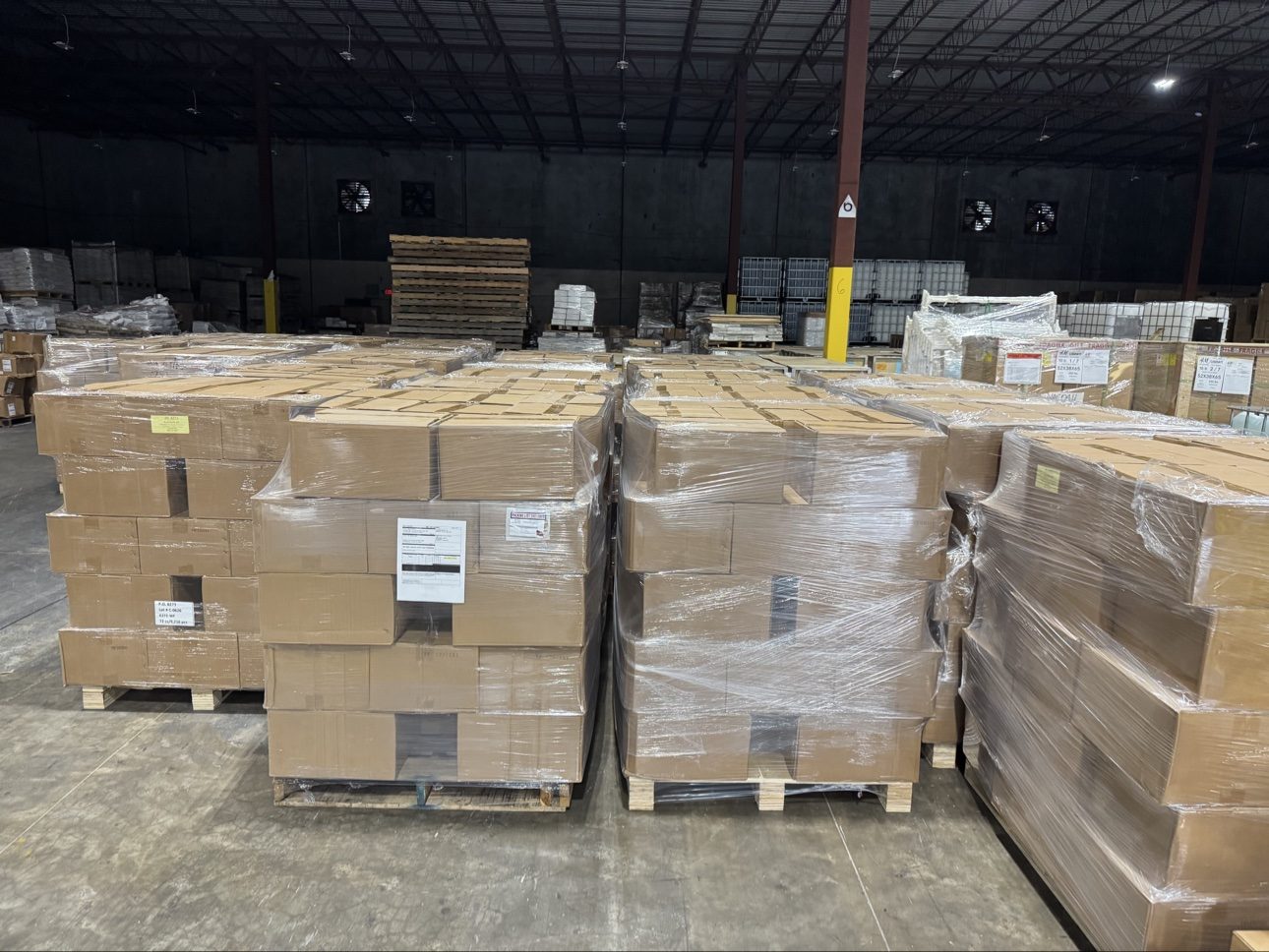
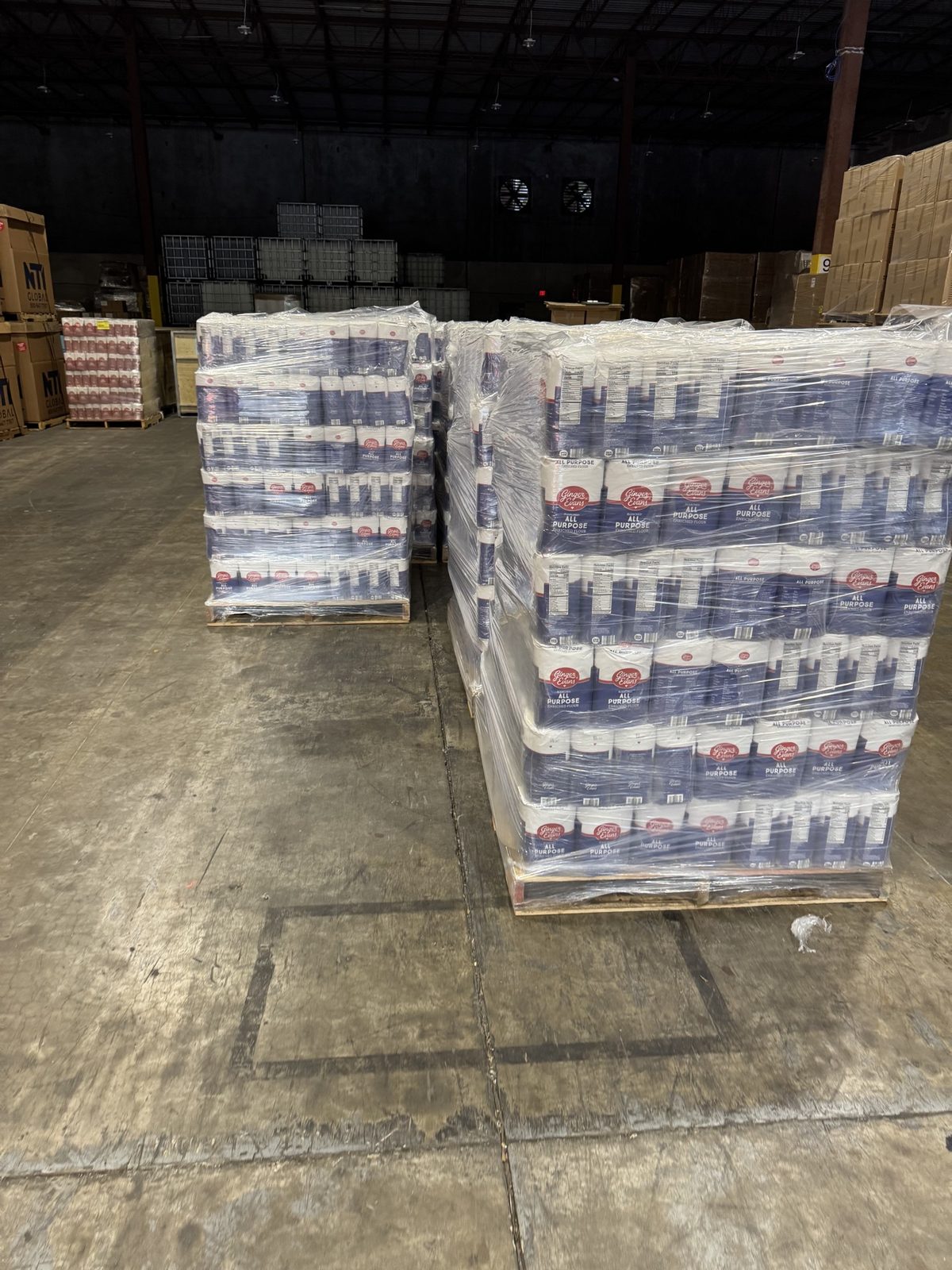
A short-term hold sits between a cross-dock and long-term storage. In a cross-dock, freight comes in and goes straight back out. In long-term storage, freight settles in for an extended stay. In a short-term hold, freight comes in, waits as palletized stock, and leaves when the receiver is ready, when the primary 3PL has room, or when the distribution run is set.
One point matters before anything else. Only some listings on the North Carolina map tag short-term storage. Check the listing first, then confirm storage with the warehouse before you count on a hold. A listing that handles cross-dock work or transloading may still be able to help, but do not assume it offers a hold.
Pick the hold city by the next move
North Carolina warehouses are inland. Wilmington is the container port on the coast, and the warehouses on the map sit in the Piedmont and in the west. That distance is useful here, because it means the hold city should follow the freight, not the port it came through.
Start with where the freight goes next, then pick the city that puts it closest to that next move.
Charlotte fits freight distributing across the Carolinas and the Southeast. The Charlotte listings sit on the I-77 and I-85 corridors, and Charlotte is the inland port city in this cluster, served by rail from Wilmington. If the next step is a run to customers across the Carolinas, or a transfer south, Charlotte keeps the freight in position to move without a long backtrack.
The Triad fits central North Carolina distribution. Greensboro, Lexington, and Winston-Salem sit at the I-40 and I-85 crossroads, in the middle of the state. For a hold, check the Lexington and Winston-Salem listings for the storage tag. The Greensboro listing does not carry a short-term storage tag, so confirm storage directly with that warehouse if Greensboro is the city you need.
Durham fits Triangle deliveries. Durham is the Triangle listing city, on the I-40 and I-85 corridors east of the Triad. If the freight is headed to customers in the Raleigh-Durham area, holding in Durham keeps the final leg short. Durham is also the easternmost listing city, so it is the closest hold point to the I-95 corridor.
Fletcher fits western North Carolina. Fletcher sits near Asheville on the I-26 corridor, which links the western part of the state to the Charleston gateway corridor. If the freight is headed to western North Carolina customers, Fletcher is the map point to start from. The Fletcher listing does not carry a short-term storage tag, so check the listing and confirm storage with the warehouse before you plan a hold around Fletcher.
Picking the city this way also shapes the quote, because the inbound leg, the outbound leg, and the number of touches all change with the city.
How a hold works
A hold starts with intake. Contact the warehouse in advance and set an appointment. Never show up unannounced. All listings on the North Carolina map require appointments and are open Monday to Friday, closed Saturday and Sunday, so plan the arrival inside a weekday window and confirm it before the truck rolls.
When the load arrives, the crew unloads it and checks it in. If the freight arrives floor-loaded, the warehouse may build it to pallets as part of intake, where that service is offered. Confirm palletizing at intake, because a floor-loaded arrival and a palletized arrival are different jobs. As a guide only, a floor-loaded 40-foot container takes 3 to 5 hours to unload by hand, while a palletized container takes 30 to 60 minutes by forklift. A 40-foot container builds to about 20 pallet positions, and a 20-foot container to about 10, again as an industry guide, not a promise about any single load.
Once the freight is palletized, pallets sit as stock in the warehouse, identified and kept ready to move. Ask up front how the warehouse tracks what is on hand and how it handles partial pulls, while the freight is still on the truck, not after the delivery window has shifted again.
The way out of a hold takes one of three shapes: freight ships out in full to one receiver, splits to several destinations, or transfers to a primary 3PL once that warehouse has room. The warehouse needs that plan before the hold starts if possible, or as soon as it firms up. If the plan changes during the hold, tell the warehouse early. A change learned about on the day of the pull is harder to staff and schedule than the same change with a few days of notice.
Split delivery out of a hold deserves its own note. Split delivery is covered by the listed warehouses, as long as the split is raised during the quote process so the warehouse quotes the proper scope of work. Explain the full scope when you contact them: every destination, and the pallets per destination. The warehouse may arrange outbound trucks, or you may arrange your own. Outbound is priced per truckload or per pallet depending on load details and the warehouse’s rate structure, so the split plan belongs in the first message, not in a later correction.
If the freight still needs to be unloaded from an ocean container before it can be held, that work is a separate job from the hold itself. Read Transloading in North Carolina for how that inland unload works, then come back here for the hold that follows. Keep the two jobs distinct: container details for the unload, and hold length plus outbound plan for the hold.
The charges that keep running while freight sits
Two clocks can run on the same load, and they are not the same clock.
The first clock runs at the terminal or with the carrier while a container is still in their hands: demurrage and detention, sometimes called per diem. Demurrage is the charge for a container sitting at the terminal past free time. Detention, or per diem, is the charge for holding the container or chassis past free time once it has left the terminal. National guides put free time at about 4 days, demurrage at about 200 to 400 dollars per day, and per diem at about 75 to 200 dollars per day. Those are national guide ranges only, not a Wilmington terminal tariff or a North Carolina warehouse rate. Get the actual free time and charges in writing from the carrier or terminal for your load.
The second clock runs at the warehouse once the freight is in a hold: the hold charge, plus handling charges for work done during the hold. No hold rate, free period, or minimum term is printed here, because none was sourced for North Carolina warehouses. The warehouse sets those terms, and they vary by pallet count and hold length. Ask for them in writing in the first reply: the hold charge, how it is counted, what handling is included, and what extra touches cost.
The practical point is timing. Moving freight from the terminal clock to the warehouse clock is often the whole reason for a hold. A container sitting at a terminal past free time racks up demurrage day by day. The same freight sitting as pallets in a warehouse is on a different cost structure, and it is ready to ship the moment the receiver is ready. But that only helps if the move inland happens before free time runs out, and if the hold is booked before the truck arrives. A hold arranged after demurrage has started still helps, but it does not undo the days already charged.
There is also a labor cost inside a hold that shippers sometimes miss. Unloading and palletizing is the warehouse’s cost to perform, and as a guide only, floor-loaded unloading runs about 300 to 600 dollars while palletized unloading runs about 50 to 150 dollars. Those guide figures describe the warehouse’s cost of the work, not what a shipper pays. A floor-loaded arrival costs more labor to get into palletized stock than a palletized arrival, and that labor belongs in the first quote, not as a surprise after intake.
What moves the quote
No warehouse rate is printed on this page, and no single number would be honest across different warehouses, loads, and hold lengths. What this section gives you is the list of drivers a warehouse uses to build the number, so you can see where your load sits and what you can change to bring the quote down.
Pallet count comes first. A hold of 10 pallets and a hold of 100 pallets are different jobs in space, handling, and floor planning. Give the real pallet count, or the container size and load type so the warehouse can work from the guide figures. A 40-foot container builds to about 20 pallet positions as a guide.
Hold length comes second. Days, weeks, or a few months each price differently, and a firm end date prices differently from an open-ended hold. If you know the receiver’s ready date, say so. If you do not know it, say that too, and give the range you are planning around.
Unload and palletize labor comes third. Floor-loaded freight needs more crew time at intake than palletized freight. Heavy, oversized, or awkward freight needs more care and sometimes different equipment. State the freight type, weight, and dimensions up front so the labor is quoted once, correctly.
Outbound touches come fourth. A hold that ships out in one full load needs one outbound pull. A hold that splits to several destinations needs several pulls, several sets of paperwork, and sometimes several trucks. Each touch adds labor and scheduling, and each touch should be in the quote request so none arrive as an extra charge later.
Gateway versus inland location comes fifth. Freight already inland in Charlotte, the Triad, Durham, or Fletcher is past the port leg, and the quote can focus on the warehouse work. Freight that still needs a dray or rail leg to reach the hold city carries that leg as a separate cost and timing question. Name the gateway, Wilmington, Charleston, or Savannah, and the hold city, so the warehouse can see whether the inbound leg is handled or still open.
None of these drivers is a rate. They are the inputs the warehouse uses to set a rate for your load. A complete request that names all five gets a faster, firmer reply than a short message that leaves the warehouse guessing.
The call that gets a usable quote
Send the request directly to the warehouse. Quote requests go directly to the listed warehouse, not through a central form, and the warehouse replies as soon as possible, normally within 24 hours or less. If you have not heard back inside that window, follow up with the same warehouse rather than starting over with a new one and splitting the job across two inboxes.
Same-day intake is often possible based on availability, and next-day intake is commonly doable. Neither is a promise. Availability depends on dock space, crew, and what else is already booked that day. Contact the warehouse in advance and confirm the intake window before the truck is dispatched. A load that arrives without an appointment risks waiting at the gate or being turned away.
Send one message the warehouse can quote from. Include each item below, and do not leave the warehouse to guess on the items that drive the price.
- Hold city, and why: Charlotte, the Triad, Durham, or Fletcher, tied to the next move.
- Freight type, and any handling notes: what the product is, whether it is palletized or floor-loaded, and whether it is heavy, oversized, or awkward to handle.
- Weight and dimensions of the items, or an itemized pack list.
- Pallet count, or container size and count if the pallet count is not set yet.
- Hold length: the dates you need, or the range you are planning around, and whether the end date is firm.
- Move frequency: whether freight will sit untouched until one outbound shipment, or whether you expect partial pulls during the hold.
- Outbound plan: one receiver, a split to several destinations with pallets per destination, or a transfer to a primary 3PL. Name the destinations if they are set.
- Inbound details: gateway, arrival date, container or trailer type, and whether the load is already inland or still needs a dray or rail leg.
- Special requirements to confirm: hazmat, reefer, or food-grade needs. Do not assume a warehouse can take these. Confirm each one directly with the warehouse.
- Contact details and timing: who the warehouse replies to, and the date the freight must be in a hold by.
A shipper who sends those ten items gets a reply they can act on. A shipper who sends only “need storage in NC, what is your rate” gets a reply full of questions, and the freight keeps waiting while the questions go back and forth.
One more note on outbound trucks, because it comes up on almost every hold. If the freight will reload to 53-foot vans on the way out, the trailer math needs care. Three 40-foot containers into two 53-foot vans holds only for lightweight palletized freight. A loose-loaded 40-foot container built to pallets can take two dry vans on its own. Heavy palletized freight weighs a dry van out before it cubes out. Never treat the three into two ratio as a safe assumption. Tell the warehouse the freight weight and the pallet count, and let the warehouse work out the van count for the actual load.
Frequently asked questions
Same-day intake is often possible based on availability, and next-day intake is commonly doable. The deciding factors are dock space, crew availability, and whether the load arrives palletized or floor-loaded. Contact the warehouse in advance, confirm the appointment, and confirm the intake window before dispatching the truck. Freight that arrives without an appointment risks waiting or being turned away. All listings on the North Carolina map require appointments and are open Monday to Friday, closed Saturday and Sunday.
Pallet count, hold length, unload and palletize labor, outbound touches, and the inbound leg. A floor-loaded arrival needs more labor at intake than a palletized arrival. A hold that splits to several destinations needs more pulls and more paperwork than a hold that ships out in one load. A firm end date and a clear outbound plan usually produce a firmer quote than an open-ended hold with no outbound plan yet. No warehouse rate is printed here, because rates vary by warehouse and load. The warehouse sets the rate from the details in your request.
Holds on this page cover days, weeks, or a few months. That range describes the job, not a term any warehouse guarantees. Minimum terms, free periods, and hold charges are set by each warehouse and vary by load. Ask for them in writing in the first reply: the hold charge, how it is counted, what handling is included, and any minimum that applies. If your hold is shorter than a few days or longer than a few months, say so in the first message so the warehouse can confirm whether it fits.
Many warehouses on the map handle unloading as part of intake, but confirm unloading and palletizing with the listing before you book. A floor-loaded arrival and a palletized arrival are different jobs. As a guide only, a floor-loaded 40-foot container takes 3 to 5 hours to unload by hand, while a palletized container takes 30 to 60 minutes by forklift. Tell the warehouse the container or trailer type, whether the freight is floor-loaded or palletized, and the weight and dimensions, so the labor is quoted correctly at intake.
Split delivery is covered by the listed warehouses, as long as the split is raised during the quote process so the warehouse quotes the proper scope of work. Explain the full scope when you contact them: every destination, and the pallets per destination. The warehouse may arrange outbound trucks, or you may arrange your own outbound trucks. Outbound is priced per truckload or per pallet depending on load details and the warehouse’s rate structure. A split plan sent in the first message produces a usable quote. A split plan added after the freight is already in the hold can still work, but it may change the handling and the schedule.
Send the request directly to the warehouse, with the hold city, freight type, pallet count or container details, hold length, move frequency, outbound plan, inbound details, and any special requirements to confirm, such as hazmat, reefer, or food-grade needs. Include this line exactly: Weight and dimensions of the items, or an itemized pack list. The warehouse replies as soon as possible, normally within 24 hours or less. A complete first message gets a reply you can act on. A short message asking only for a rate gets a reply full of questions.
Find a hold on the North Carolina map
Start on the North Carolina warehouse map. Pick the city by the next move: Charlotte for Carolinas and Southeast distribution, the Triad for central North Carolina, Durham for Triangle deliveries, and Fletcher as the western North Carolina starting point. Check the listing for the short-term storage tag, confirm storage with the warehouse, and send the complete hold request from the checklist above. Contact the warehouse in advance, confirm the appointment, and get the freight off the terminal clock and into a hold that is ready to ship when the receiver is.