Your box cleared the port in California. Now it has to get to Phoenix, get opened, and get moving again as freight your receiver can take in.
Arizona has no seaport. That one fact shapes every transload in the state. The container arrives overland, almost always from Los Angeles or Long Beach, and the warehouse work happens inland, in the Phoenix West Valley, after a truck run up I-10. If you can name the port, the container, and the freight, a Phoenix warehouse can quote the job. This page walks through the route, the dock work, and the exact message to send.
Which port did your box come through?
That is the first question a Phoenix warehouse will ask, and it is the right place to start. Los Angeles and Long Beach are the gateway for Arizona freight, and they move a lot of boxes. The Port of Los Angeles handled 10,239,318 TEUs in 2025. The Port of Long Beach handled 9,881,595 TEUs in 2025, a record for that port. Together that is about 20.1 million TEUs in one year, and a share of it is bound for Phoenix.
Say which port in your first message. Los Angeles and Long Beach sit next to each other, but they are separate ports with separate terminals, separate gate hours, and separate pickup rules. The warehouse plans the truck and the dock time around the port your box actually cleared, not the pair of them in general. If the box is still at the port, say that too. A box that sits at the terminal costs money while it waits, so the sooner the warehouse knows the pickup point, the sooner it can get the truck moving.
A box bound for Phoenix arrives in one of two ways. The container itself can ride a truck from the port to Phoenix, and the warehouse opens it at its own dock. Or the freight can be transloaded near the port into a 53-foot dry van, and the van runs to Phoenix instead. The Phoenix transload covers the first path. Your box rides whole to a Phoenix dock, the crew opens it there, and the freight is sorted and reloaded for the last leg. Tell the warehouse which path your box is on.
The run up I-10 to Phoenix
I-10 is the spine for this lane. It runs from the LA basin east through the desert to Phoenix, then on through Tucson toward El Paso. Trade sources put the LA to Phoenix run at about 370 miles via I-10. Greater Phoenix sits inside a one-day truck haul of the LA and Long Beach ports, and that one-day reach covers more than 33 million people across seven states, according to the Greater Phoenix Economic Council.
That one-day haul is why Phoenix works as an inland transload point. A box can clear the port in the morning and reach a Phoenix dock the same day or the next, depending on the pickup time, the gate, and the truck. The warehouse still needs the arrival date before it can promise a dock slot. A truck that leaves the port late in the day is a next-day arrival, and a truck held at the gate is a different afternoon altogether. Give the warehouse the pickup date and the expected arrival window, not just the port name.
Where the work happens in the West Valley
The listed warehouses for Arizona sit in the Phoenix West Valley, in Glendale, Surprise, and Tolleson. That is not an accident. The West Valley sits on I-10 West, so a truck coming up from the ports reaches the warehouse without crossing the metro. The same position puts the warehouse close to the rest of the Valley road network for the outbound leg.
I-10 carries the inbound box and most outbound loads. Loop 101 rings the metro and connects the West Valley to the north and east sides of Phoenix. Loop 303 serves the Southwest Valley. I-17 runs north from Phoenix to Flagstaff, where it meets I-40. I-40 runs east and west across northern Arizona through Flagstaff. SR-60 cuts across the Valley as another east-west route. A load bound for Tucson stays on I-10 south. A load bound for Flagstaff or northern Arizona goes up I-17. Name the delivery point in your quote request, and the warehouse can tell you which road the outbound truck takes and how the load should be sorted for it.
The West Valley position also matters for the receiver. A lot of Phoenix freight is bound for distribution points around the metro, and a transload in the West Valley puts the palletized freight close to those points without a second long haul. A load bound outside the metro still starts from a warehouse with direct I-10 access, so the outbound truck is on the interstate within minutes of leaving the dock.
Rail is part of the Phoenix picture
Trucks carry most Arizona transload freight, but rail runs through the same metro, and it is growing. Union Pacific and BNSF both serve the Phoenix area. BNSF runs intermodal service from Phoenix to Dallas-Fort Worth six days a week. All current BNSF intermodal traffic in the metro moves through the Glendale intermodal facility.
Bigger rail capacity is on the way. BNSF Logistics Park Phoenix is a 4,320-acre rail-centric hub in northwest Maricopa County, with a first-phase 350-acre intermodal facility, and construction began in early 2026. No firm opening date is printed here, because the published dates disagree with each other and the project has faced local approval fights. Treat it as capacity coming, not capacity open. If your freight rides rail into Phoenix today, it comes through the existing Glendale facility.
What the warehouse does at the dock
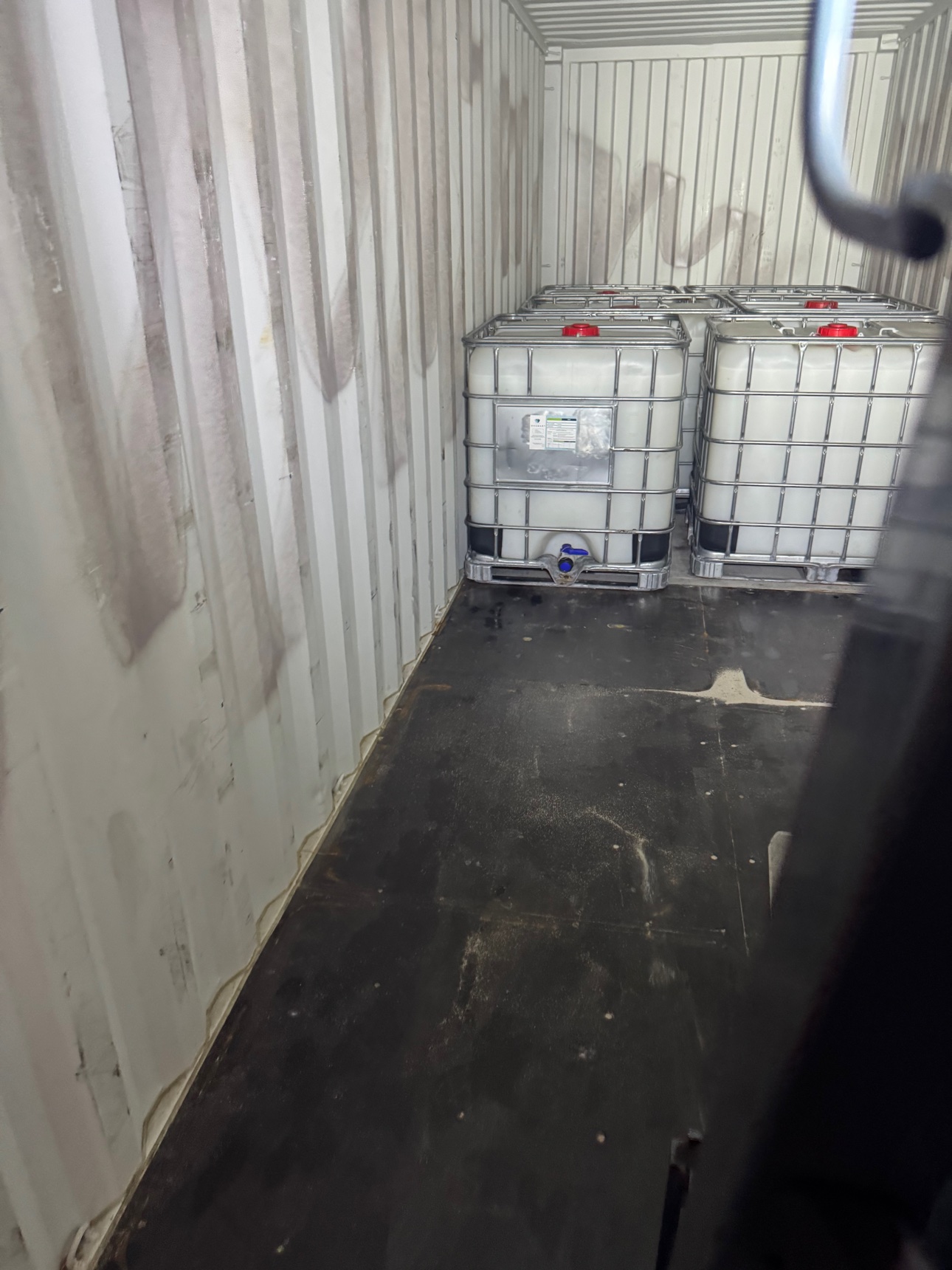
The job starts when the container backs to the dock. The crew opens it, checks the freight against the pack list, and unloads it. What happens next depends on how the freight arrived.
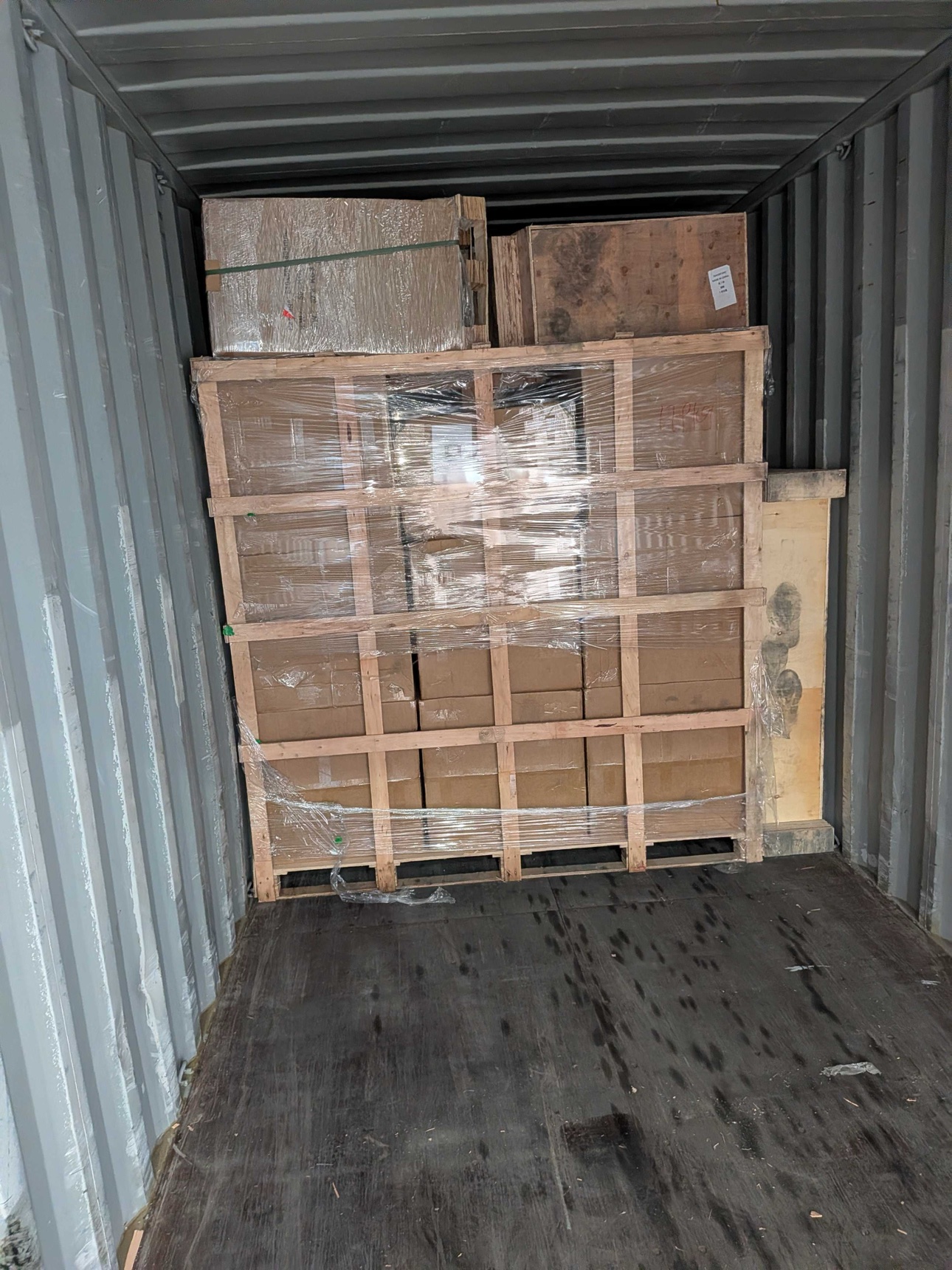
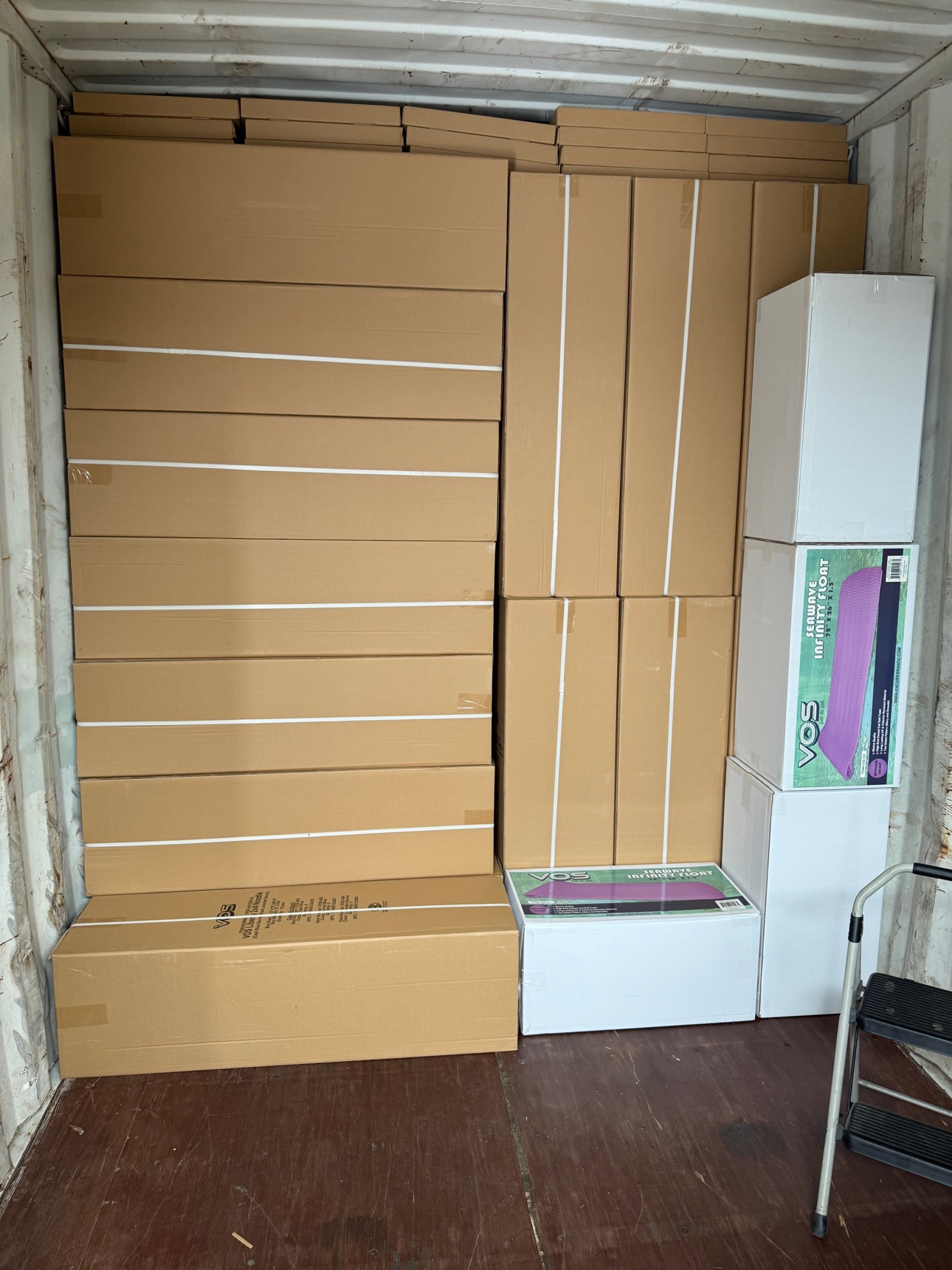
A floor-loaded container is unloaded by hand, piece by piece, and the crew builds each pallet at the dock. A palletized container comes off the forklift, pallet by pallet, and the crew checks each pallet as it lands. Tell the warehouse which one you have in the first message. It is the biggest single factor in crew size and dock time. National guides put a floor-loaded 40-foot container at about 2 to 5 hours to unload, and a palletized container at about 30 to 60 minutes. Those are guides, not a promise for your load. Your pallet count, piece count, and sort scope move the real number.
After the unload, the crew sorts the freight by destination, wraps the pallets, and reloads them onto 53-foot dry vans for the outbound run. Or the freight goes into short-term warehouse space if the receiver cannot take it yet. Either way, the reload needs the pallet count and the weight, not just the container count. A 53-foot van swallows more cube than the 40-foot box the freight sailed in, yet the math from one to the other is never clean. That three-into-two swap works for light palletized freight and nothing else. A loose 40 built to pallets can fill two vans by itself, because palletizing adds cube. Heavy palletized freight runs out of weight before it runs out of room. Do not size the outbound fleet off the container count. Size it off the pallet count and the weight, and let the warehouse confirm the truck count once it has those numbers.
Some loads need more than a straight unload and reload. A load may need sorting by SKU, labeling, or a count check against the pack list. A load may have damaged cartons that need to be set aside and noted. A load may have a few pallets that go to one destination and the rest to another. All of that is normal transload work, but it all takes dock time and crew time. Name it in the first message.
Straight through, or held for a few days
A transload can end in three different ways, and the warehouse needs to know which one you want before the box arrives.
The fastest is a cross-dock. The freight moves from the inbound container straight onto an outbound trailer, with no storage in between. Cross-docking in Arizona is the page for that job, and the listed warehouses are checked before they list. A cross-dock only works if the outbound truck and the receiver are ready when the container arrives. If either one slips, the freight needs somewhere to sit.
The second is short-term storage. The freight is unloaded, palletized, and put into short-term warehouse space in Arizona until the delivery window opens. That fits a receiver with a narrow receiving window, a delivery that slipped a day, or a load that needs to be split across two delivery days. Short-term warehouse space in Arizona is the page for that job. Tell the warehouse how many days you expect the freight to sit, because storage time is part of the quote.
The third is a split delivery. One container serves more than one destination, and the freight is sorted at the dock by where each pallet is going. Split deliveries are handled by every listed warehouse. The shipper has to lay out the full scope when contacting the warehouse: every destination, and the pallets for each one. The warehouse may arrange the outbound trucks, or the shipper may arrange its own trucks. Outbound runs are priced per truckload or per pallet, depending on the load details and the warehouse’s rate structure. A split that the warehouse learns about at the dock is a different job from a split it planned for before the truck arrived.
If the load shifted in transit and the receiver will not take it as it stands, the warehouse can rebuild it. Pallet restacking in Arizona is the page for that job. The rebuild happens at the dock before the freight rolls out, and the same quote packet applies: container, freight, weight, and photos if you have them.
Freight coming up from Nogales
Not every Arizona box comes from the California ports. Nogales, on the Mexican border south of Tucson, is Arizona’s dominant commercial crossing. It handled 405,000 commercial truck crossings in 2024, up 5.9 percent on the year before. In 2025, truck trade through Nogales reached $25.4 billion, with 848,600 truck crossings in both directions.
That border freight is context for this page, not the main story. No listed warehouse sits in Nogales or Tucson, and the listed warehouses are all in the Phoenix West Valley. A load crossing at Nogales and bound for Phoenix still runs north on I-19 to Tucson, then I-10 to Phoenix, and the same Phoenix dock work applies once it arrives. A load crossing at Nogales and bound straight to a Tucson receiver may never need a Phoenix warehouse at all. If your freight is coming up from Mexico, say so in the quote request, and say where it crosses and where it is going.
What shapes the quote
There is no public rate card for an Arizona transload. Every quote is per job, and the price follows the work.
The truck leg from the port comes first. A container drayed from Long Beach to Phoenix is a different day from a container that needs a port pickup, a chassis, and a tight gate window. From there the quote follows the load: whether it arrived floor-loaded or on pallets, how many pallets and pieces there are, how much sorting and rework it needs, how fast it has to turn, and how long it sits in storage. A floor-loaded box needs more hands and more hours than a palletized one. A load with many SKUs needs a longer sort than a load with one SKU. A same-day turn needs a crew held ready in a way a next-day turn does not.
Splits add their own scope, as above. An oversized or heavy piece raises its own equipment and dock-space questions. Put them in the opening message instead of leaving the crew to discover them at the doors. Anything that needs a special forklift, a wider dock door, or a second crew member to lift should be in the quote packet, not discovered at the dock.
What to send so the first reply is usable
Send the quote request straight to the warehouse. It answers as soon as it can, normally within a day. Send it all up front and the reply back will be something you can act on. A short message with just a container number gets a round of questions back, and the dock slot may be gone by the time the answers arrive.
Send this in the first message:
- Which port the box cleared: Los Angeles or Long Beach, and the pickup date
- Container size and type, and whether the load is floor-loaded or palletized
- Weight and dimensions of the items, or an itemized pack list.
- Pallet count if known, or piece count and item sizes
- Who arranges the truck from the port: the warehouse or you
- What happens after the unload: straight reload, cross-dock, short-term storage, or split delivery
- Every destination and the pallets per destination, if the load splits
- Heavy, oversized, or special handling items, named plainly
- Target arrival date and whether same-day or next-day turn is needed
With dock room open, a same-day turn is often possible, and next-day is commonly doable. That is a read on dock capacity, not a guarantee for your load. Contact the warehouses in advance, and never show up unannounced. Appointments are required, so get on the calendar as soon as the port and the arrival date are set, and confirm the appointment, the rates, and the scope before the truck rolls.
Find a warehouse in Arizona
Open the Arizona warehouse map and contact the warehouse that fits your load. Each listing lays out the services, the area served, and the contact details.
The listed warehouses sit in the Phoenix West Valley, in Glendale, Surprise, and Tolleson, on or near I-10 West. Check the map for the current listings, and call to confirm the services for your load before you send the truck. Listings can change, and a service listed for one warehouse may not be listed for another.
Start here: Find a Warehouse in Arizona
Frequently asked questions
Arizona has no seaport, so every container arrives overland, almost always from Los Angeles or Long Beach. The box rides a truck up I-10 to a Phoenix warehouse, where the crew unloads it, builds the freight to pallets, and reloads it onto a 53-foot dry van. Name the port in your quote request, because Los Angeles and Long Beach have separate terminals and pickup rules.
Either port can feed a Phoenix transload, and the choice is usually made by the ocean carrier and the sailing, not by the shipper. What matters for the quote is naming the port your box actually cleared, with the pickup date. The warehouse plans the truck and the dock time around that port, not around the two ports in general.
The crew unloads the container at the dock, checks the freight against the pack list, builds it to pallets where it arrived floor-loaded, sorts it by destination, and reloads it onto 53-foot dry vans or holds it in short-term storage. Hand-building every pallet from a floor load stretches the dock time well past a forklift unload of palletized freight. The outbound count comes from pallets and weight, never from how many containers arrived. The three-into-two swap works only for light palletized freight, a loose 40 built to pallets can fill two vans by itself, and heavy palletized freight runs out of weight before it runs out of room.
The truck leg from the port comes first, because a dray from Long Beach to Phoenix is a different day from a container that needs a port pickup, a chassis, and a tight gate window. After the port leg, the load sets the price: floor-loaded or palletized, pallet and piece counts, sorting and rework, turn speed, storage days, split stops, and any heavy or oversized pieces.
Send the whole packet direct to the warehouse, and expect an answer normally within a day. Include which port the box cleared and the pickup date, the container size and type, whether the load is floor-loaded or palletized, and the Weight and dimensions of the items, or an itemized pack list. Add the pallet or piece count, who arranges the truck from the port, what happens after the unload, every destination with the pallets per destination if the load splits, and the target arrival date with the turn you need.
If the dock has space, the crew can often turn a load the same day, and next-day is commonly doable. Turn speed depends on the booked slot, the crew on shift, floor-loaded or palletized, and whether the outbound trucks are staged. Contact the warehouses in advance, and never show up unannounced. Appointments are required, so get on the calendar as soon as the port and the arrival date are set.