Your inbound trailer is rolling toward Ohio and your outbound trucks do not line up with it. One truck carries freight for three different destinations, the receivers each want their share on a different day, and every day the load sits is another day of storage cost and a missed delivery window. That is the exact job cross-docking exists for.
Cross-docking means your inbound trailer gets unloaded, the freight gets sorted and labeled by destination, and it goes back out on outbound trucks without sitting in storage. A palletized 40-foot container takes 30 to 60 minutes to unload with a forklift, while a floor-loaded 40 takes 2 to 5 hours of manual labor to devan, so the load type sets the pace of the whole day. Here is how that day runs, from the call before the truck rolls to the outbound trucks leaving the dock.
Before the truck rolls: what to decide first
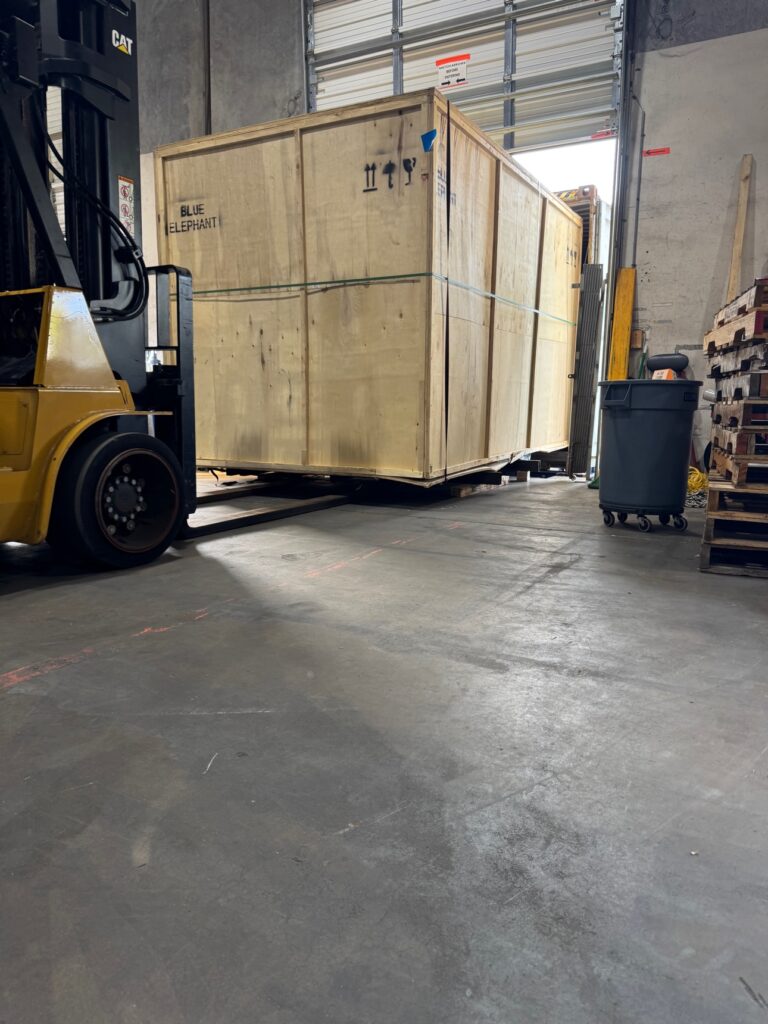
Cross-docking works when the plan is set before the driver leaves. The warehouse cannot sort freight it does not know about, and it cannot hold a dock slot it was never told to hold. Three decisions come first, and each one shapes the quote.
First, what kind of load is it. Palletized freight unloads fast and moves straight to the sort. Floor-loaded freight has to be unloaded by hand and built onto pallets before anything else can happen. That difference is the single biggest driver of how long the unload takes and what the warehouse charges to handle it. If the load is mixed, say so in the quote request. A crew that expects pallets and finds floor-loaded cartons loses half the day re-planning the work.
Second, where is every piece of it going. Cross-docking is a split-delivery job by nature. One inbound load can break into several outbound trucks, each with its own destination. The warehouse needs the full scope up front: every destination and the pallet count for each. A split the warehouse learns about at the dock is a split that gets sorted twice.
Third, who books the outbound trucks. The warehouse may arrange outbound trucks, but you can also book your own. Say which way you want it when you send the quote request, so the quote covers the right scope. Either way works. What does not work is leaving the question open until the freight is already on the dock floor.
One more thing before the truck rolls: contact the warehouse in advance and book the dock slot. Never show up unannounced. Most warehouses need advance appointments, and how they handle appointments, live-unload vs drop-trailer, and lead time varies by warehouse. A driver who arrives without an appointment waits, and a waiting driver burns the same day the cross-dock was supposed to save.
Check-in and the first look at the load
The driver checks in at the appointment time with the load paperwork. The crew does a first look before the unload starts. That look answers three questions: what type of load is it, how many pallets are on it, and does the freight match what the quote request described.
If the load matches the quote request, the unload starts on schedule. If something differs, the crew flags it before the first pallet comes off, not after. A floor-loaded container quoted as palletized changes the labor plan. A pallet count that runs ten over changes the outbound trailer count. Catching either one at check-in costs minutes. Catching it mid-unload costs hours.
This is also where the paperwork earns its keep. The pack list tells the crew what should be on the truck. The delivery list tells them where each piece goes. Bring both, or make sure the warehouse has them before the truck arrives. A crew sorting from memory is a crew that mislabels a pallet.
Unload and build: floor-loaded vs palletized
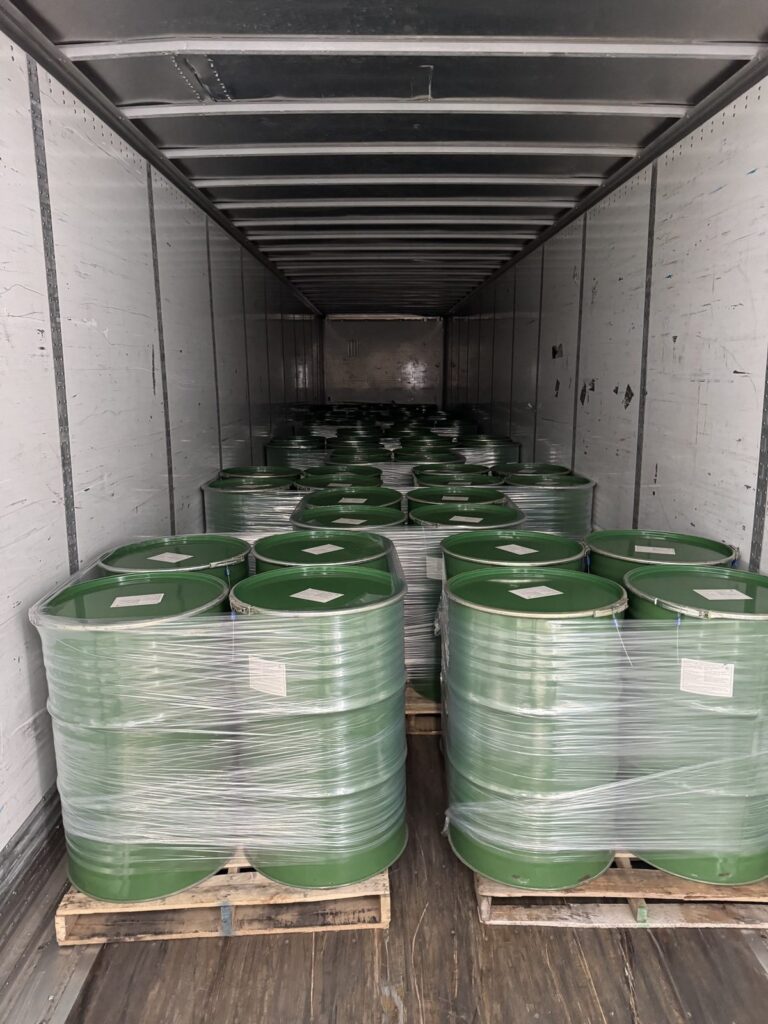
This is the part of the day where the load type shows up in the clock. An industry guide puts a palletized 40-foot container at 30 to 60 minutes to unload with a forklift. The same guide puts a floor-loaded 40 at 2 to 5 hours of manual labor to devan. Same box, same freight, very different morning.
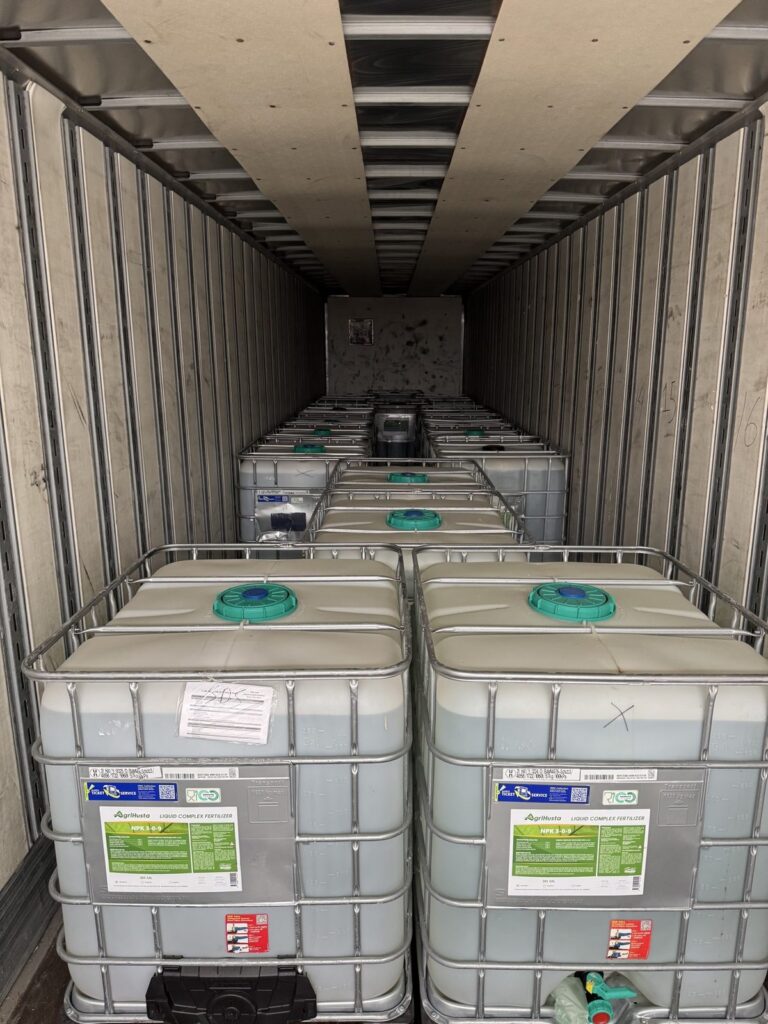
Floor-loaded cartons get stacked onto standard pallets as they come off the truck. A cross-dock guide puts a 40-foot container at about 20 pallet positions and a 20-foot container at about 10. That conversion is the moment the load becomes countable. Once the freight is on pallets, the crew knows exactly how many outbound trailer positions it fills and how the split breaks down.
Pre-palletized cargo skips the rebuild. The crew re-stages it instead, moving pallets from the inbound trailer to the sort lanes without breaking them down. It is faster, and it is the reason a palletized load can turn in under an hour while a floor-loaded one takes most of a morning.
The build matters beyond speed. A pallet built right stacks clean, labels clear, and loads without rework. A pallet built sloppy leans, shifts in transit, and comes back as a restack problem at the receiver. The crew building your pallets is the same crew that has to answer for them at the outbound dock, so the build gets done properly the first time.
Sort by destination
Once the freight is on pallets, the sort starts. Pallets get segregated and labeled by destination before the outbound trucks load. Cincinnati pallets go to one lane, Cleveland pallets to another, Pittsburgh to a third. The labels are the whole system. A pallet with the wrong label is freight on the wrong truck, and freight on the wrong truck is a missed delivery that no one catches until the receiver calls.
The sort is where the split-delivery scope you sent in the quote request pays off. The crew already knows how many pallets go to each destination, so the lanes are set before the first pallet comes off the inbound trailer. If the scope changes mid-day, tell the warehouse right away. A destination added late means a lane re-laid and pallets re-sorted, and that is the kind of rework that pushes an outbound truck past its departure window.
Sort work also includes the checks the receivers care about. Counts get confirmed against the pack list. Damaged cartons get flagged. Anything short gets noted before the outbound trucks leave, while the inbound trailer is still there and the problem can still be solved at the dock.
Counting the outbound trailers
After the sort, the freight turns into a trailer count. A 40-foot container runs to about 20 pallet positions, and those positions map to outbound trailer space. The crew counts the lanes, not the truck. Three destinations with seven pallets each is three outbound loads, not one truck with twenty-one pallets on it.
Outbound runs as LTL or FTL depending on how the freight splits. A destination taking a full trailer gets a full trailer. A destination taking a handful of pallets ships LTL, consolidated with other freight heading the same way. The warehouse consolidates inbound freight for outbound LTL and FTL on the lanes it serves, so the split decides the mode, not the other way around.
Confirm the outbound plan with the warehouse before the sort ends. Which trucks are arranged, who arranged them, and what time each one loads. If you booked your own outbound trucks, make sure the drivers have the appointment times and the dock address. An outbound driver who shows up at the wrong door or the wrong hour waits, and the freight waits with him.
Outbound and the late-truck plan
Outbound trucks often load the same day, based on availability. That holds when the inbound truck arrives on its appointment, the load matches the quote request, and the outbound trucks are lined up. Confirm the timing with the warehouse when you book the dock slot. Same-day turn is often possible based on availability, and it is never a hard standard. A warehouse that promises same-day on every load is a warehouse that has not met a floor-loaded 40 on a Friday afternoon.
Next-day turn is commonly doable when same-day does not line up. The freight stays at the dock, the crew picks up the sort where it left off, and the outbound trucks load on the next window. This is still cross-docking, not storage. The freight is moving through, not parked for a season.
Late trucks happen. An outbound truck stuck in traffic, a driver delayed at a prior stop, a lane that fills slower than planned. When it happens, the freight waits at the dock and the warehouse works the next window with you. The plan to ask about when you book is simple: what happens to my freight if the outbound truck runs late, and what time does the next window open. A warehouse with a straight answer to that question is a warehouse that has run this day before.
Freight that cannot go out the same day or the next is a different job. That is short-term storage, and the warehouse prices it that way. If your outbound plan slips by more than a day or two, ask the warehouse about short-term storage for the freight that has to wait. The Transloading in Ohio page covers the full market, including short-term storage, if you want the wider picture.
Where in Ohio to cross-dock
Ohio has two sides for cross-docking, and the right one depends on where your freight is headed. The dock work is the same either way. The routing is what changes.
Warp runs a Columbus cross-dock on I-70 and I-71, and its Columbus cross-dock guide (https://www.wearewarp.com/crossdocks/columbus) calls the spot a natural consolidation point for freight moving to Cincinnati, Cleveland, Pittsburgh, Indianapolis, and Louisville. Inbound freight consolidates there for outbound LTL and FTL on those lanes. If your freight fans out across the Midwest from one inbound load, Columbus is where the split happens most naturally.
Columbus is also a major intermodal market, which is why so much freight funnels through it. The CSX Columbus intermodal terminal sits at 2351 West Belt Drive with direct access via I-270, and a $59 million expansion completed in 2013 doubled its capacity from 180,000 to 360,000 lifts per year. The Norfolk Southern Rickenbacker Intermodal Terminal near Columbus covers about 175 acres and can handle more than 400,000 containers a year. Those are terminal figures, not warehouse figures, but they explain why Columbus sees the volume it does: freight arrives by rail and truck, and the cross-docks sit where the freight already is.
The Cleveland side serves Northeast Ohio and the Port of Cleveland side of the state. If your freight lands at the Port of Cleveland or your receivers cluster around Cleveland, Akron, and the Lake Erie corridor, a Cleveland-side cross-dock keeps the dray short and the outbound runs local. The I-71 spine runs Cleveland to Columbus, so a load that enters through Cleveland can still consolidate in Columbus if the outbound lanes point south and west.
Pick the side by the freight, not by the map. Where does the inbound load arrive, and where do the outbound trucks go. A Cleveland-side dock for Cleveland-bound freight, a Columbus dock for a five-city split. If you are not sure, send the quote request with the destinations listed and let the warehouse tell you which side fits the load.
What the quote is built from
No exact rate is printed on this page, because no two cross-dock jobs cost the same to run. The quote is built from the work the load actually needs, and the drivers are the same ones that set the pace of the day at the dock.
Start with load type. Palletized freight unloads fast with a forklift. Floor-loaded freight takes hours of manual labor to devan and build onto pallets. That labor difference is the warehouse’s cost to do the work, and it shows up in the quote as handling time.
Pallet count comes next. A 40-foot container runs to about 20 pallet positions, and every pallet is a unit of handling: unload, stage, sort, label, load. More pallets means more touches, and more touches means more of the warehouse’s cost.
A single-destination load barely needs a sort. A five-destination split needs five lanes, five sets of labels, and a count confirmed for each one. The more destinations, the more sort work, and the warehouse prices the split it actually has to run.
Outbound is priced per truckload or per pallet depending on load details and the warehouse’s rate structure. A full trailer out is priced differently from a handful of pallets consolidated onto an LTL run. The quote has to know which one it is pricing.
Speed is the one most shippers forget to name. A same-day turn needs a crew and a dock slot held for your window. A next-day turn gives the warehouse more room to schedule. Name the timing you need in the quote request, and the warehouse can price the crew time it takes to hit it.
What to send for a quote
A complete quote request gets a usable answer. A partial one gets a round of follow-up questions, and every round costs a day. Send this packet in one message.
Weight and dimensions of the items, or an itemized pack list.
Load type: palletized or floor-loaded, and the pallet count if you know it. If the load is mixed, say which part is which.
Every outbound destination, with the pallet count for each one. This is the split-delivery scope, and the quote cannot be built without it.
Arrival date and time window for the inbound truck, and whether the warehouse should arrange outbound trucks or you will book your own.
Anything the crew needs to know about the freight itself: fragile, top-heavy, oddly shaped, needs wrapping, needs labels printed a certain way. One line in the quote request saves a phone call at the dock.
Send the request directly to the warehouse. The warehouse replies as soon as possible, normally within 24 hours or less. If you have not heard back in that window, call. A quote request with everything above in it rarely needs a follow-up question, and a warehouse that can see the whole job can price the whole job.
Find a cross-dock warehouse in Ohio
Go to the Ohio map page (https://transloadnow.com/regions-we-serve/find-a-warehouse-in-ohio/) and pick a listed warehouse. The map page lists the warehouses currently taking cross-dock work in Ohio. Call to confirm the warehouse handles your load type and your destinations before you book the dock slot, then send the complete quote packet from the section above.
One complete request, sent to the warehouse that can actually take the load. That is the whole process. The truck rolls, the freight sorts by destination, and the outbound trucks leave on time.
Frequently asked questions
Cross-docking moves freight straight through the warehouse: unload, sort by destination, reload onto outbound trucks. Short-term storage parks the freight until you are ready for it. If the outbound trucks are lined up, cross-dock is the faster path and the freight never sits in a rack.
Same-day turn is often possible based on availability, and next-day is commonly doable when same-day does not line up. A palletized 40-foot container unloads in 30 to 60 minutes with a forklift, while a floor-loaded 40 takes 2 to 5 hours of manual work. Confirm the timing with the warehouse when you book the dock slot.
Yes, split delivery is the normal cross-dock job: the crew segregates and labels pallets by destination and loads each outbound truck with its own share. Tell the warehouse every destination and the pallet count for each when you send the quote request. The warehouse may arrange outbound trucks, or you can book your own.
No exact rate is printed here because the price depends on your load. The drivers are load type, pallet count, how much sort and label work the split needs, and how many outbound trucks it fills. Send the full quote packet and the warehouse prices the actual job.
The warehouse may arrange outbound trucks, but you can also book your own. Say which way you want it when you send the quote request so the quote covers the right scope. Confirm the arrangement with the warehouse before the inbound truck rolls.
Weight and dimensions of the items, or an itemized pack list. Add the load type, pallet count if known, every outbound destination with pallets per destination, and your arrival date and time window. A complete request gets a usable answer, normally within 24 hours or less.