Your receiver pushed delivery out. Your own warehouse is full. The container is already on the water, and the per-diem clock is part of the math now. You searched for short-term warehouse space and got back self-storage unit listings. Those units cannot take pallets or a forklift, and they were never built for a container that needs unloading. This page is for the other problem: commercial pallet space in Ohio, what the warehouse needs before it quotes your stay, and how the stay runs day by day. The Ohio map page carries the current listings, and the broader Ohio picture is covered in Transloading in Ohio.
Short-term warehouse space in Ohio is pallet space rented for weeks rather than months, for freight that has nowhere to go yet. A 40-foot container becomes about 20 pallet positions once it is unloaded and palletized, so the stay is sized in pallets, not in containers. The freight sits on pallets in a working warehouse until the receiver is ready, and then it ships out in one delivery or across several.
Cleveland side or Columbus side: pick by where the freight is going next
Start with the outbound move, not with a map pin. Freight coming through the Port of Cleveland or heading to a receiver around the Cleveland metro belongs on the Cleveland side, with warehouses in Brooklyn Heights, minutes from Cleveland, and Strongsville, southwest of the city. Freight heading into central Ohio, or riding intermodal inland and staging for distribution from the middle of the state, belongs on the Columbus side, with warehouses in Columbus and Delaware, north of Columbus on US-23.
The Columbus side runs on corridors as much as on any single building. The Columbus cross-dock sits on I-70 and I-71, a natural consolidation point for freight moving to Cincinnati, Cleveland, Pittsburgh, Indianapolis, and Louisville. That matters for a stay, because the freight does not just sit. It sits somewhere the outbound truck can reach without a long deadhead, and Columbus puts a lot of destinations within one outbound run. The Rickenbacker Inland Port near Columbus adds the intermodal side of the picture. Both Norfolk Southern and CSX have rail hubs in the inland port, and the Norfolk Southern Rickenbacker Intermodal Terminal covers about 175 acres and can handle more than 400,000 containers a year. A lot of Ohio container freight lands at East Coast gateways and rides intermodal inland, so a Columbus-side stay is often staging for freight that never touched an Ohio port at all.
The Cleveland side is the port side. Freight that comes through the Port of Cleveland unloads and sits near the gateway instead of riding inland first, which keeps the dray short and puts the pallets close to Cleveland-area receivers. No listed warehouse sits inside a port terminal. The stay is at a warehouse near the gateway, not on the terminal, and the container still has to move from the port to the warehouse door. A big building does not mean open floor on your inbound date, so call to confirm current space and services before you plan around a listing.
Pick the side by the next move. Cleveland side for freight that came through the Port of Cleveland or serves Cleveland-area receivers. Columbus side for central Ohio distribution and intermodal freight staging out of Rickenbacker.
What the warehouse asks before it quotes your stay
A warehouse cannot quote a stay from “a container of freight.” It needs the shape of the stay, and the shape is pallets, time, and the outbound plan. Send the full picture in the first request.
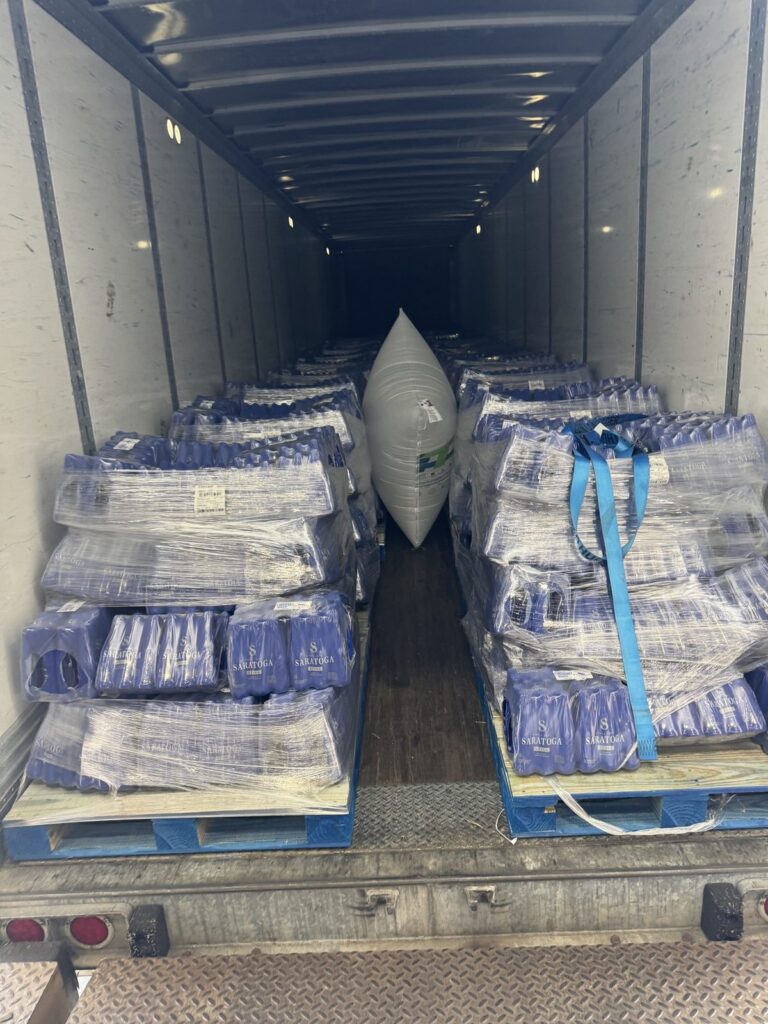
Start with the pallet count and whether the pallets stack. Stackable pallets take less floor than the same count spread single-high, and the warehouse sizes the stay from that number. If the freight is still in a container, say so, and say whether it is palletized or floor-loaded. A palletized load goes straight onto pallets. A floor-loaded load has to be built to pallets first, and that is extra handling the warehouse prices into the stay.
Then give the weight and dimensions. The exact line to include is: Weight and dimensions of the items, or an itemized pack list.
That line is the one the warehouse uses to check floor loading, forklift capacity, and whether the pallets stack safely. A pack list works in its place when you have one. Either way, do not send the quote request without one of the two. The warehouse will ask for it before it quotes, and the day you spend waiting for that follow-up is a day the inbound date moves closer.
Then the dates. When the freight arrives, and how long it needs to sit. A stay of two weeks and a stay of eight weeks are different jobs for the warehouse floor, even when the pallet count is the same. If you do not know the end date yet, say that plainly and give the earliest date the receiver could take it. The warehouse would rather hear “at least two weeks, maybe six” than get a firm date that changes three days later.
Last, the outbound plan. One delivery to one receiver, or split deliveries across several destinations, with the pallets per destination. The warehouse needs the outbound plan to confirm it can load out the way you need it loaded, and to price the handling at the back end of the stay. A stay that ends in three small deliveries is a different job from a stay that ends in one full truckload.
Two things to be straight about before you ask. No published Ohio free-storage window exists, so this page does not quote one. Ask the warehouse in writing what the first days cost, and get the answer in writing before the container arrives. The same goes for rates. No sourced Ohio short-term rate exists, so this page does not print a figure. The next section explains what shapes the quote, and the warehouse quotes the stay from the checklist above.
Send all of it in the first request. Requests go directly to the warehouse, and a complete request normally gets a reply as soon as possible, within 24 hours or less. An incomplete request gets a question back instead of a number, and the clock keeps running while you answer it.
The stay, day by day: receiving, unloading, and sitting on pallets
The stay starts before the truck arrives. Contact the warehouse in advance and book the arrival. Never show up unannounced. Appointments are required. The warehouse needs the inbound date, the container or truck details, and the pallet count booked in before the driver rolls, because floor space, dock time, and crew are planned around what is already on the books. A driver who arrives without an appointment is a driver waiting at the gate while the warehouse figures out whether it has room that day.
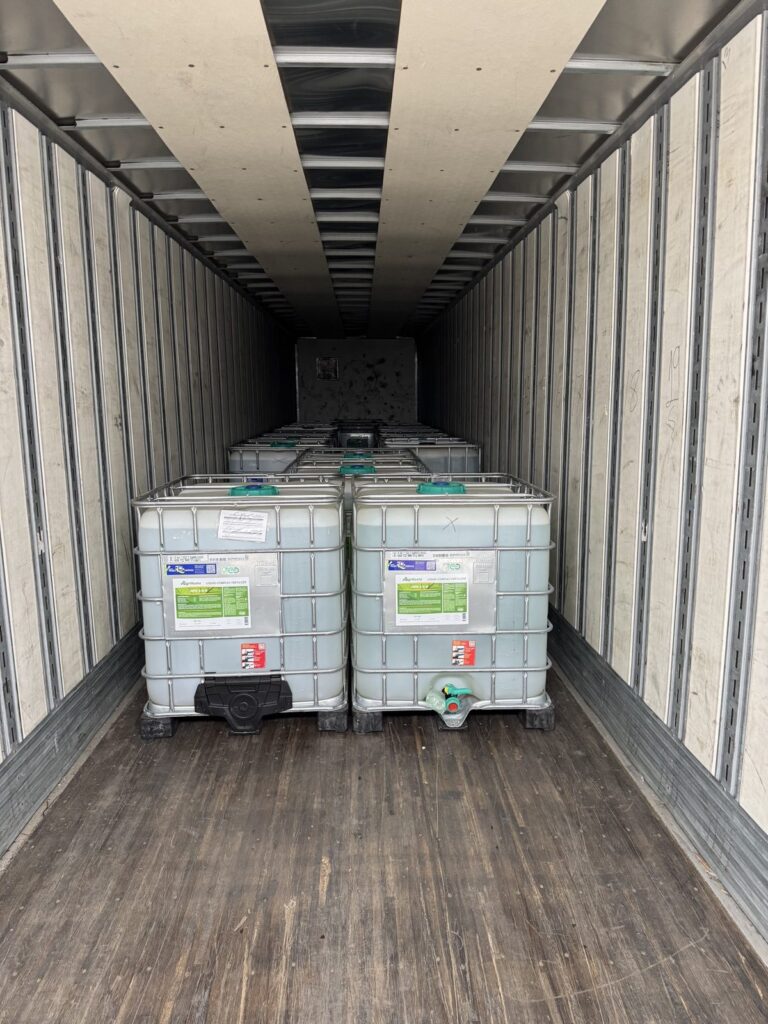
Receiving day is the busy day. The container arrives, the warehouse checks it in, and the unloading starts. The unload time depends on how the freight was loaded at origin. A palletized 40-foot container takes 30 to 60 minutes to unload with a forklift, per the Warp freight glossary industry guide. A floor-loaded 40 takes 2 to 5 hours of manual labor to devan, per the same guide. That gap is why the warehouse asks how the freight arrives. A palletized load is an hour on the dock. A floor-loaded load is most of a shift, plus the palletizing work that follows.
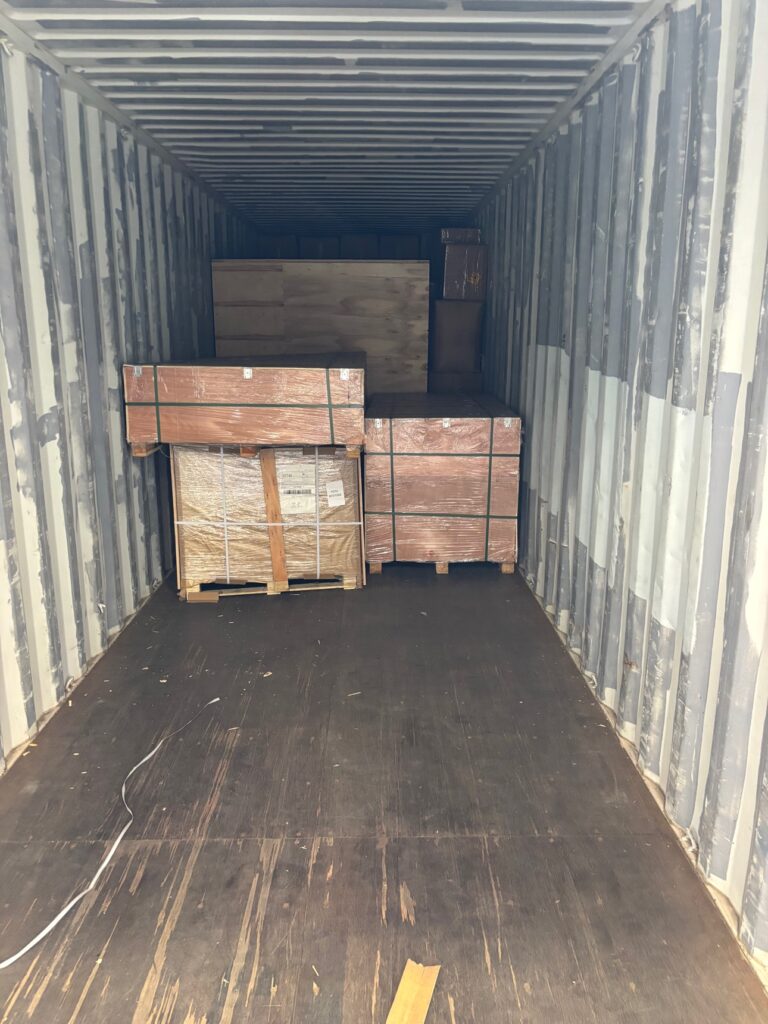
Once the freight is off the container, it is counted, palletized if it arrived loose, and moved to its floor space. A 40-foot container becomes about 20 pallet positions and a 20-foot container about 10, per the Warp Columbus cross-dock guide. That is the number to carry into the quote request, and the number the warehouse uses to confirm it has the floor. Stackable pallets shrink the footprint from there. Non-stackable pallets take the floor they take, and the warehouse prices the stay from the floor the pallets actually occupy.
Then the freight sits. The quiet middle of the stay is the point of the whole arrangement. The pallets are in the warehouse, the container is gone, and the per-diem clock has stopped. The warehouse keeps the freight accessible so the outbound load can be pulled without digging through other customers’ freight. Nothing about the middle of the stay needs daily attention from the shipper, and that is the difference between pallet space and a container sitting on a chassis somewhere.
How fast can the stay start? Same-day intake is often possible based on availability, and next-day intake is commonly doable. The honest version of that sentence is that it depends on the floor that week and the inbound date you give the warehouse. A palletized container arriving with a booked appointment has a better shot at same-day intake than a floor-loaded container that shows up unannounced. Book early, send the full checklist, and ask the warehouse to confirm the date in writing. That confirmation is what the driver works from.
One timing note for the Columbus side. One listing in Delaware shows Saturday open. The listing does not say whether Saturday covers receiving or office work only, so do not plan a Saturday arrival on the listing alone. Confirm with the warehouse whether receiving runs on Saturday before you book the truck for a weekend date.
Getting freight back out: one delivery, split deliveries, or a longer stay
Most stays end the simple way. The receiver calls, the warehouse loads the full stay onto one truck, and the freight goes out in a single delivery. Tell the warehouse the outbound date as soon as you know it, even if the date is only a window. The warehouse schedules the dock and the crew around the load-out, and a day of notice beats a morning-of call.
Split deliveries are the second ending, and they are common in Ohio. One container lands, the freight sits, and then it goes out to two or three receivers on different days. The listed Ohio warehouses handle split delivery, but the shipper has to explain the full scope when contacting the warehouse: every destination and the pallets per destination. The warehouse cannot plan a split load-out from a total pallet count. It needs the break, which pallets go where, and in what order. Send the break with the original quote request if you already know it, or as soon as the receivers confirm.
The warehouse may arrange outbound trucks, or the shipper may arrange their own. Say which one you want when you book the stay, not when the freight is ready to leave. If the warehouse arranges the trucks, it needs the destination details and the delivery windows to price the outbound move. If you arrange your own trucks, the warehouse needs the pickup appointments booked the same way the inbound arrival was booked: date, carrier, and pallet count, in advance. Outbound is priced per truckload or per pallet depending on the load details and the warehouse’s rate structure, so the outbound plan is part of the quote, not an afterthought to it.
The third ending is the one nobody plans for and everybody should price in. The receiver is still not ready when the first week ends. The stay runs longer. Storage runs on the warehouse’s terms, and no sourced Ohio extension figure exists, so confirm the terms in writing before the first week ends. Ask what the stay costs if it runs another week, and what the warehouse needs from you to extend it. A short written exchange before the first week ends beats a surprise on the invoice after the freight finally ships.
Plan the exit when you book the stay. One delivery, split deliveries, or a longer stay. The warehouse can do all three.
What shapes the quote for short-term space in Ohio
No rate is printed on this page, because no sourced Ohio short-term rate exists. The quote you get from the warehouse will be built from the drivers below. Understand the drivers and you understand the quote when it arrives.
Pallet count and stackability set the floor. More pallets take more floor, and non-stackable pallets take more floor per pallet than stackable ones. The warehouse prices the stay from the floor the freight occupies, so a tight, stackable load costs the warehouse less in floor than a spread-out load of the same count. That is the first driver, and it is the one the shipper controls most directly.
Duration sets how long that floor is tied up. A two-week stay and an eight-week stay occupy the same floor, but the longer stay keeps the warehouse from selling that floor to the next shipper. Be honest about duration in the quote request. A stay that runs long on terms agreed up front is a normal stay.
Handling sets the warehouse’s cost on both ends of the stay. Unloading the container, palletizing floor-loaded freight, and reloading at the outbound end are all crew hours and forklift hours. A palletized container that unloads in 30 to 60 minutes costs the warehouse less in handling than a floor-loaded container that takes 2 to 5 hours to devan. Split deliveries add handling at the back end, because the warehouse pulls and loads in stages instead of one full load-out.
The inbound and outbound moves sit outside the storage quote unless the warehouse arranges them. Drayage from the port, or from the intermodal ramp, to the warehouse door is its own cost. Outbound trucking to the receiver is its own cost. Say which moves you want the warehouse to arrange and which you will arrange yourself.
One more thing not to use as a guide: consumer self-storage prices. Search results for short-term warehouse space in Ohio are full of self-storage unit listings, and their monthly unit prices have nothing to do with commercial pallet storage. A storage unit cannot take pallets or a forklift, and its price reflects a consumer product, not a warehouse stay. Do not carry a self-storage price into a conversation with a warehouse. Send the checklist, ask the warehouse in writing what the first days cost, and judge the quote against the drivers above.
How to request a quote from a listed Ohio warehouse
Pick the listed warehouse on the Cleveland side or the Columbus side from the Ohio map page (https://transloadnow.com/regions-we-serve/find-a-warehouse-in-ohio/). The map page carries the current listings, with contact details for each warehouse.
Send the full checklist from the quote section: pallet count, whether the pallets stack, how long the freight needs to sit, how it arrives, and the outbound plan. Include this line with your request: Weight and dimensions of the items, or an itemized pack list.
Requests go directly to the warehouse. Expect a reply as soon as possible, normally within 24 hours or less. If the warehouse needs more detail, answer it the same day. The inbound date is usually the thing that cannot wait, and a fast answer depends on a complete request.
Frequently asked questions
Yes. Every listed Ohio warehouse tags short-term storage, so a stay of a few weeks is the normal use case here, not an exception. The exact minimum stay is not published, so ask the warehouse in writing when you send your quote request.
No Ohio rate is published, so this page does not quote a figure. What shapes the warehouse’s cost is pallet count, whether the pallets stack, how long the freight sits, and the handling to unload and reload it. Send the full quote checklist and ask the warehouse in writing what the first days cost.
It matters a lot, because stackable pallets take less floor than the same count spread single-high. A 40-foot container becomes about 20 pallet positions once unloaded and palletized, which is a useful way to size your stay. Tell the warehouse your pallet count and whether the pallets stack so it can confirm the space.
Same-day intake is often possible based on availability, and next-day intake is commonly doable. Contact the warehouse in advance and never show up unannounced, because the warehouse needs the arrival booked before the truck rolls.
Yes. Every listed Ohio warehouse tags transloading and short-term storage, so receiving a container, unloading it, and storing the pallets is the standard flow. A palletized 40-foot container takes 30 to 60 minutes to unload with a forklift, while a floor-loaded 40 takes 2 to 5 hours to devan.
Send your pallet count, whether the pallets stack, how long the freight needs to sit, how it arrives, and your outbound plan. Include this line with your request: Weight and dimensions of the items, or an itemized pack list. A complete request gets a usable answer faster, normally within 24 hours or less.