The crossroads transfer
A load heading for several places in the Carolinas does not need to stop and sit. It needs to pass through a dock, get sorted, and go back out on the right trucks. That is what cross-docking in North Carolina is built for.
Start with the freight path, not the warehouse. A load may have come in from Wilmington, Charleston, or Savannah, or it may have started as a domestic shipment bound for the Piedmont. Either way, the transfer happens inland. The warehouses on this page sit in Charlotte, the Triad, the Triangle, and western North Carolina. None sits at a port. This is a distribution job at the junction of I-40 and I-85, and in Charlotte where I-77 and I-85 meet the routes south.
That location is the point. I-40 runs east to west, from Wilmington through Raleigh and Greensboro to Winston-Salem. I-85 runs from Charlotte through Greensboro to Durham. A dock near that crossroads can take one inbound load and fan it out in every direction without adding a storage step.
The shipper here usually has one of two problems. The load is bound for more than one Carolina destination, and sending a full truck to each stop wastes money and dock time. Or the load needs to change trucks or get sorted before the last leg, with no time to put it away and pick it again later. In both cases, the job is speed through the dock, not a place to hold freight.
Contact the warehouse in advance and agree the plan before the inbound truck rolls. Cross-dock warehouses in North Carolina require appointments, and they are open Monday to Friday and closed Saturday and Sunday. Never show up unannounced.
The three transfer patterns
Pick the pattern that matches where the freight fans out, and that will point to the right city for the transfer.
Charlotte distribution fan-out
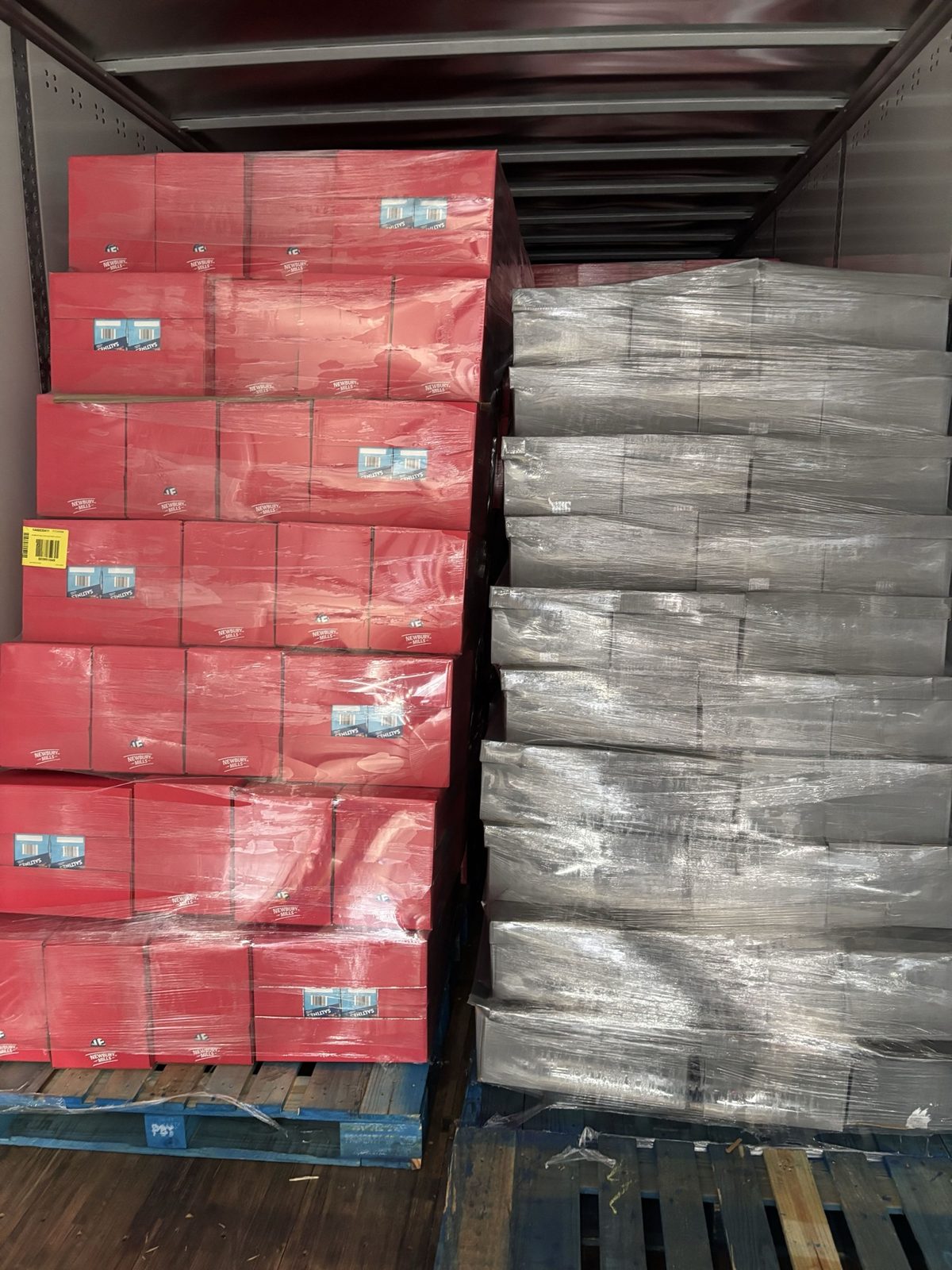
Charlotte is the big fan-out point. Freight arrives, gets sorted, and leaves on trucks running I-77 south toward Columbia and the Charleston corridor, I-85 north toward the Triad and Durham, and I-85 south into South Carolina. This fits a shipper distributing across the Carolinas and the Southeast from one inbound load. Charlotte also works as the inland point for coastal freight: a Wilmington box moves inland by rail or truck, and a Charleston or Savannah box runs I-26 to I-77 into Charlotte.
Triad split
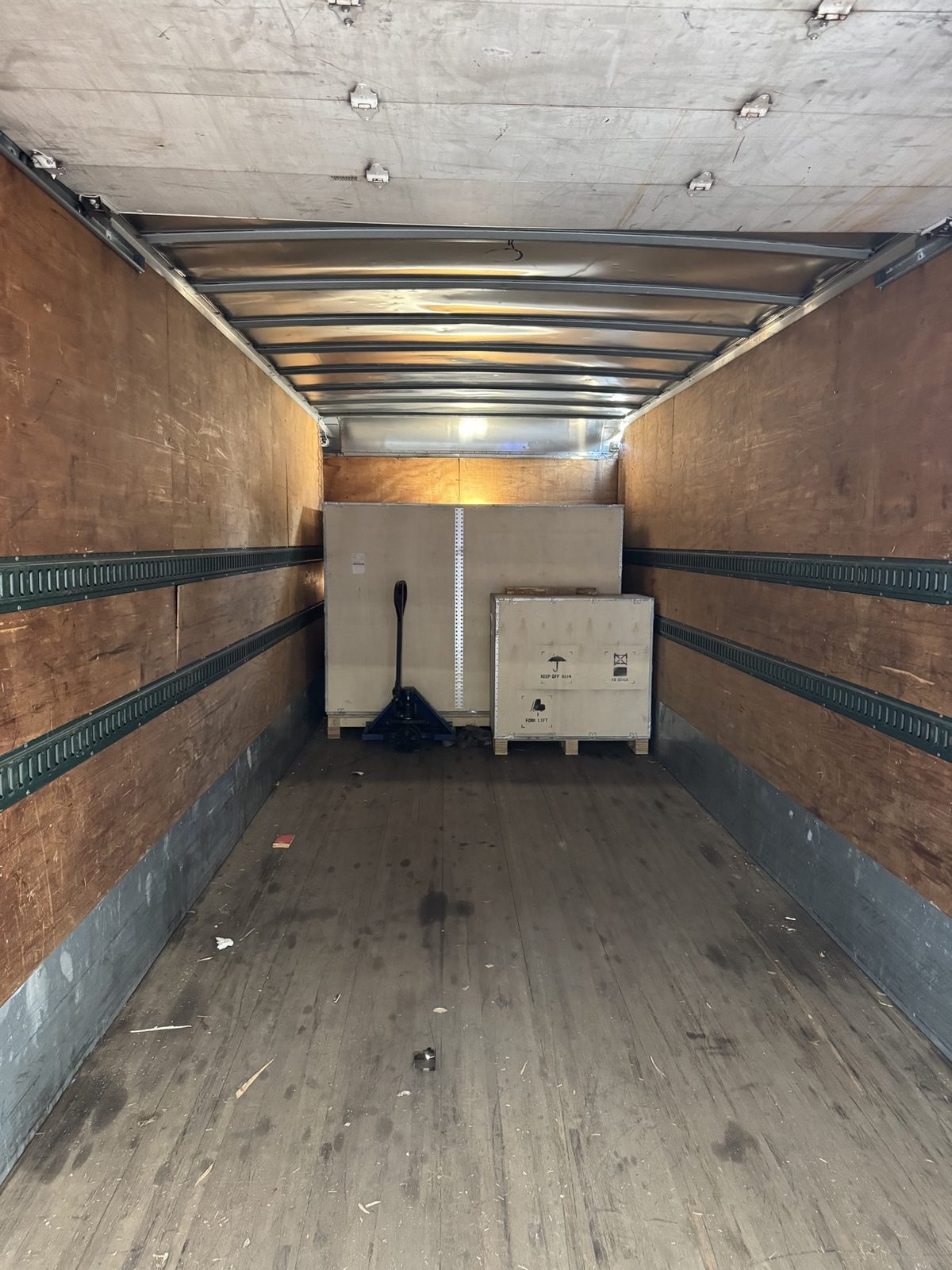
The Triad pattern is one inbound load to several Piedmont stops. Greensboro, Lexington, and Winston-Salem sit together on I-40 and I-85, which makes the Triad a natural place to break a load apart. A truck arrives with freight for three or four stops in central North Carolina, the crew sorts it by destination, and each portion leaves on its own outbound truck or on a route covering nearby stops. The split must be agreed before arrival, with pallets per destination spelled out, so the crew can sort once without rehandling.
Triangle transfer
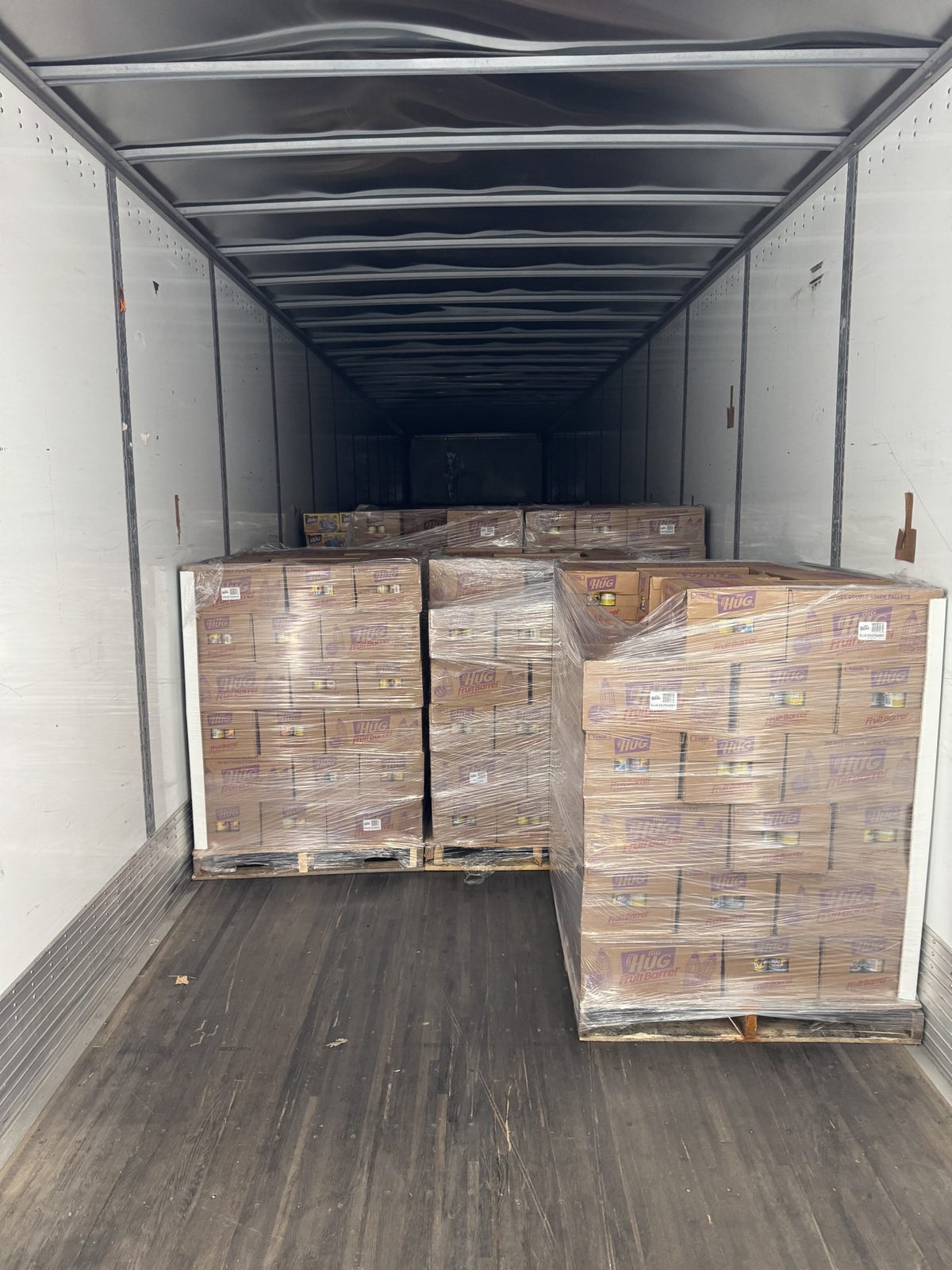
The Triangle pattern runs through Durham, on I-40 and I-85. Durham is the easternmost listing city in the cluster, and the closest to I-95, which makes it a useful transfer point for freight moving between the Triangle, the Triad, and points east. A load bound for Raleigh-Durham deliveries, or for a mix of Triangle and Triad stops, can transfer in Durham and go out the same day or the next day. The truck does not have to run all the way to Charlotte to sort freight bound for the Triangle. It stops in Durham, the crew sorts it, and the outbound trucks cover the Triangle stops from there.
Fletcher, in western North Carolina near Asheville on the I-26 corridor, covers a fourth case. Freight moving on I-26 from the Charleston corridor, or distributing west toward Asheville, can transfer there instead of running east to Charlotte first.
What the transfer actually is
Cross-docking means freight moves through the dock without going into storage. The inbound truck arrives, the crew unloads it, checks the freight, sorts it by outbound destination, and loads it onto outbound trucks. The freight may sit on the dock for hours while that sorting happens. It does not get put away as stock, picked later, and shipped as a separate job.
That distinction matters for the quote and for the plan. Short-term storage is a hold. The warehouse takes the freight in, stores it as palletized stock, and ships it out days or weeks later when the receiver is ready. Cross-docking is a pass-through. The warehouse handles the freight once, on the way through, and the job is done when the outbound trucks leave.
Transloading is a different job again, and the two get mixed up. Transloading changes the freight from one mode or container type to another, for example unloading an ocean container and reloading the freight to domestic vans. Cross-docking can include some of that handling, but the core of a cross-dock is the transfer itself, not the container conversion. If the main job is opening an ocean box and converting it for domestic delivery, read Transloading in North Carolina first.
On timing, use practice, not promises. A same-day turn is often possible based on availability, and a next-day turn is commonly doable. Both depend on the inbound truck arriving on its appointment, the outbound trucks being booked, the freight matching what was described, and the dock having crew and doors free. A load that arrives late, or with handling the warehouse did not plan for, can slip to the next day. That is normal dock work, but it is why the packet below has to go in before the truck moves.
One inbound load, several outbound doors
The most common North Carolina cross-dock is deconsolidation: one inbound load broken into several outbound loads. The crew unloads the inbound trailer, sorts pallets or cases by destination, and loads each outbound trailer with only the freight for its stops. The reverse also happens. Several smaller inbound loads arrive and get consolidated onto one outbound truck bound for a single receiver or a tight delivery route. Either way, the dock does the sorting work the shipper would otherwise have to do with extra trucks and extra driver time.
Two details decide whether the split works cleanly. The first is whether the destinations are known or decided at the dock. Known destinations are the easy case: the shipper sends every destination and the pallets per destination before arrival, and the crew sorts to a plan. Decided destinations are harder, because the final split depends on orders still coming in, or on a receiver confirming a window. In that case, say so in the first message, so the warehouse can say whether it can hold the decision open, or whether the load needs a short hold until the split is firm.
The second detail is trailer count. A loose-loaded 40 foot container that gets built to pallets can take two dry vans on its own. Three 40 foot containers of lightweight palletized freight can fit into two 53 foot trailers. Heavy palletized freight weighs a dry van out before it cubes out, so the same pallet count can need more trailers than the volume suggests. None of these ratios is a safe assumption for a specific load. Weight, pallet count, stackability, and freight type change the answer, so the warehouse needs the real numbers before it can say how many outbound trailers the job will take.
Split delivery is covered by the listed warehouses, as long as the split is raised during the quote process so the warehouse quotes the proper scope of work. The warehouse may arrange outbound trucks, or the shipper may arrange its own outbound trucks. Outbound transport is priced per truckload or per pallet depending on load details and the warehouse’s rate structure. Either way, the full scope has to be in the first message: every destination, and the pallets per destination. A split described halfway, with a second destination added after sorting has started, costs time and can cost a second handling pass.
When the outbound truck misses its window
Outbound trucks miss windows. A driver gets delayed on I-40, a receiver pushes a delivery appointment, or an outbound trailer shows up with the wrong equipment. Agree the plan for that case before the load arrives, not while the freight is sitting on the dock.
First, tell the warehouse as early as possible. A warehouse that knows at noon that the outbound truck will not make a 3 p.m. window can re-sequence the dock, hold the sorted freight in an orderly spot, and rebook the outbound truck. A warehouse that finds out when the window passes has fewer options, and the freight may have to move twice to clear a door for the next job.
Second, know where the freight sits while it waits. In a cross-dock, the freight was meant to pass through, so a missed window turns a pass-through into a short hold. Ask the warehouse before arrival whether it can hold sorted freight overnight or over a weekend, and what that hold involves. Most cross-dock warehouses can hold freight for a short stretch, but the space, handling, and terms vary by warehouse, so confirm them in the first message rather than assuming them.
Third, expect the hold to change the cost in general terms. A short hold adds handling, dock space, and sometimes a second loading pass when the replacement truck arrives. No rate is printed here, because the cost depends on the pallet count, the hold length, and the warehouse’s own rate structure. If the delay runs long, the job may need to switch to a short-term hold, a different service with a different price basis, so ask what that switch involves before the load arrives.
The packet a warehouse needs before the load arrives
A cross-dock quote that comes back usable starts with a complete packet. Quote requests go directly to the warehouse, and a warehouse normally replies within 24 hours or less. A packet that leaves out a key fact gets a reply asking for that fact, and the turn slips by a day while the messages go back and forth. Send this in the first message:
- Inbound details: what is arriving, on what kind of trailer or container, and when it is due at the dock
- Appointment details: the inbound appointment time, and whether the truck is a live unload or a drop trailer
- Pallet count and handling: total pallets, whether the freight is palletized or floor-loaded, and any handling steps such as sorting, palletizing, wrapping, or labeling
- Weight and dimensions of the items, or an itemized pack list
- Every destination, with pallets per destination, for any split
- Outbound plan: who arranges the outbound trucks, the warehouse or the shipper, and the outbound appointment times if they are already set
- Special handling: heavy or oversized items, food-grade or hazmat needs, or anything that changes how the crew can handle the freight, so the warehouse can confirm it can take the job
- Contact name and phone number for the driver and for the person who can answer questions while the truck is at the dock
Two lines deserve extra care. The pack list line lets the warehouse plan the crew, the equipment, and the outbound trailers. Without it, the warehouse is guessing at trailer count and labor, and the quote will carry that guess. The outbound plan matters the same way: if the shipper is arranging its own outbound trucks, the warehouse needs those truck times to sequence the sorting, and if the warehouse is arranging them, it needs to know early enough to book them.
What moves the quote when no rate is printed
No exact warehouse rate is printed on this page. Cross-dock pricing varies by warehouse, by load, and by how much handling the load needs, so a printed rate would mislead more than it would help. What the shipper can do is understand the drivers, so the quote that comes back makes sense.
Pallets handled is the first driver. More pallets mean more unloading, more sorting, and more loading out. A load that arrives palletized and leaves palletized, with a clean sort by destination, handles faster than a load that arrives floor-loaded and has to be built to pallets before it can be sorted.
Handling steps are the second driver. Sorting by destination, breaking pallets down and rebuilding them, wrapping, labeling, and checking freight against a pack list each add labor. A straight transfer with no rebuild prices differently from a job that needs the crew to touch every unit. Twenty pallets of one SKU moving as full pallets are a different job from twenty pallets of mixed cases sorted case by case, which is why the pack list sits in the packet.
Turn speed is the third driver. A same-day turn that needs crew and doors held open for a specific window can cost more than a next-day turn with a flexible window. That is the cost of holding dock capacity for one load while other work waits. A shipper with a flexible window should say so, because flexibility can lower the price. Outbound trailers are the fourth driver: more outbound trailers mean more loading passes, more dock time, and more coordination, and weight and stackability decide how many trailers the job really needs.
Send the packet complete, and the warehouse can price from those drivers instead of guessing at them. Ask the warehouse to break the quote down by handling and outbound transport where possible.
Find a North Carolina cross-dock warehouse
Pick the city by where the freight fans out: Charlotte, the Triad, Durham, or Fletcher for the western corridor. Then send the full packet to a listed warehouse in that city.
Start from the North Carolina warehouse map. Pick a listing in the city that fits the outbound route, raise any split in the quote request so the warehouse quotes the proper scope, and send the packet in one message. Quote requests go directly to the warehouse, and a warehouse normally replies within 24 hours or less. Contact the warehouse in advance, agree the appointment and the outbound plan before the inbound truck moves, and the load can pass through the dock the way this page describes: in one door, sorted, and out the other, without sitting.
Frequently asked questions
Cross-docking moves freight through the dock and straight back out, usually the same day or the next day, without putting it away as stock. Storage holds freight as palletized stock for days, weeks, or longer, and ships it out later when the receiver is ready. If the freight needs to sit until a receiver or an order is ready, that is a hold, not a cross-dock. If the freight needs to be sorted and sent on, that is a cross-dock.
A same-day turn is often possible based on availability, and a next-day turn is commonly doable. Same-day depends on the inbound truck arriving on its appointment, the outbound trucks being booked, the freight matching the packet, and the dock having crew and doors free. A load that arrives late or needs handling the warehouse did not plan for can slip to the next day. Send the packet before the truck moves, and confirm the turn window with the warehouse in the first message.
Send the inbound details and appointment time, the total pallet count and whether the freight is palletized or floor-loaded, every destination with pallets per destination, the outbound plan and who arranges the outbound trucks, any special handling needs, and a contact who can answer questions while the truck is at the dock. Include Weight and dimensions of the items, or an itemized pack list. A complete packet gets a usable reply. A partial packet gets a reply that asks for the missing fact.
Yes, as long as the split is raised during the quote process so the warehouse quotes the proper scope of work. Send every destination and the pallets per destination in the first message, so the crew can sort once to a plan. A loose-loaded 40 foot container built to pallets can take two dry vans on its own, and three 40 foot containers of lightweight palletized freight can fit into two 53 foot trailers, but heavy palletized freight weighs a dry van out before it cubes out. None of those ratios is a safe assumption for a specific load, so ask the warehouse to confirm the trailer plan from the real weight and pallet count.
Tell the warehouse as early as possible, so it can re-sequence the dock and rebook the outbound truck. The sorted freight will sit as a short hold until the replacement truck arrives, and that hold can add handling and dock time in general terms. Ask before arrival whether the warehouse can hold sorted freight overnight or over a weekend, and what that hold involves. If the delay runs long, the job may need to switch to a short-term hold, which is a different service with a different price basis.
Send the full packet directly to a listed warehouse in the city that fits the outbound route, using the North Carolina warehouse map to pick the listing. Quote requests go directly to the warehouse, and a warehouse normally replies within 24 hours or less. Contact the warehouse in advance and never show up unannounced. If the reply does not cover the trailer plan, the turn window, and the handling steps, ask for those three items before the inbound truck is booked.