Your container is not coming to Iowa on a ship or a train. It is coming on a truck, after the rail leg ends somewhere else.
Iowa has no container terminal of its own. The box your freight sailed in comes off the rail in Chicago, Kansas City, Omaha, or Minneapolis, and then a truck carries it two to five hours to an Iowa dock. The warehouse that takes it does the transload here: it unloads the container, builds the freight to pallets, and reloads it onto a 53-foot dry van for the last leg to the customer.
How a box reaches Iowa
There are four doors into the state. A box arriving from the east comes off the rail in Chicago and runs west on I-80; from the south, Kansas City and north on I-35; from the west, Omaha and east on I-80; from the north, Minneapolis and south on I-35.
The truck leg from any of those four hubs runs two to five hours, so name the hub in your quote request. The warehouse plans the dock time around when the truck actually arrives, and a dray from Chicago is a different afternoon than a dray from Omaha.
The container rides that leg whole. It is not opened at the rail hub or broken down on the highway. The devan happens at the Iowa warehouse, where it can be sorted and reloaded.
Des Moines and the two interstates
Des Moines is where the work centers, because it is where I-80 and I-35 cross. The two interstates put the warehouse within a short run of most Iowa delivery points: Cedar Rapids and Iowa City east on I-80, the Quad Cities further east, Waterloo up I-380, Ames north on I-35, Sioux City to the northwest, and Council Bluffs west on I-80.
That crossroads makes a Des Moines transload practical for freight headed anywhere in the state. A load bound for Cedar Rapids, Ames, Waterloo, or the Quad Cities can be opened in Des Moines and reloaded onto a dry van that runs straight to the delivery dock.
Receivers in Iowa run on tight schedules. A plant line waiting on parts or a distribution center with a narrow receiving window has no room for a container that shows up unsorted. The transload exists so the freight arrives palletized, counted, and ready to take in.
What the warehouse does with the load
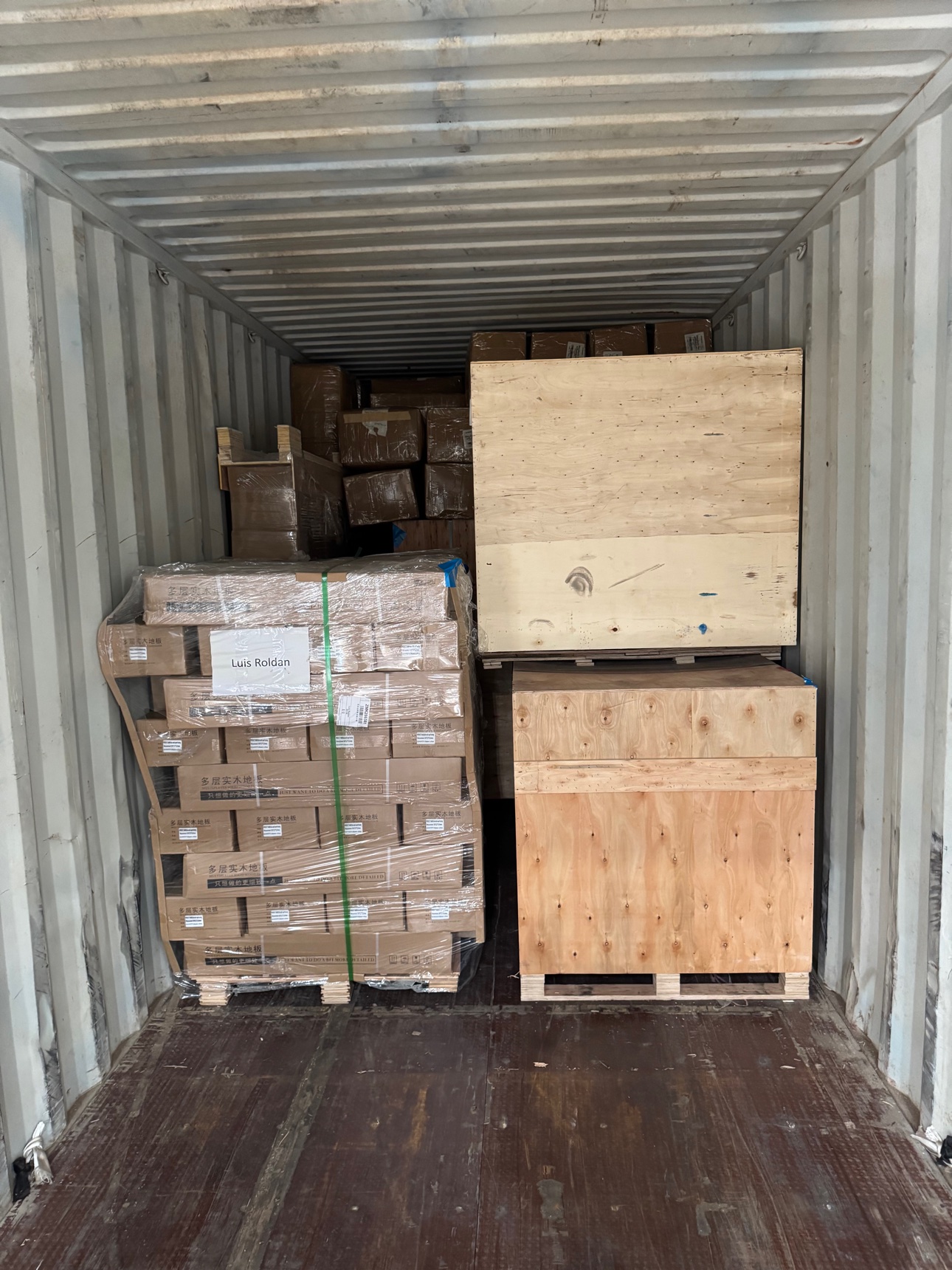
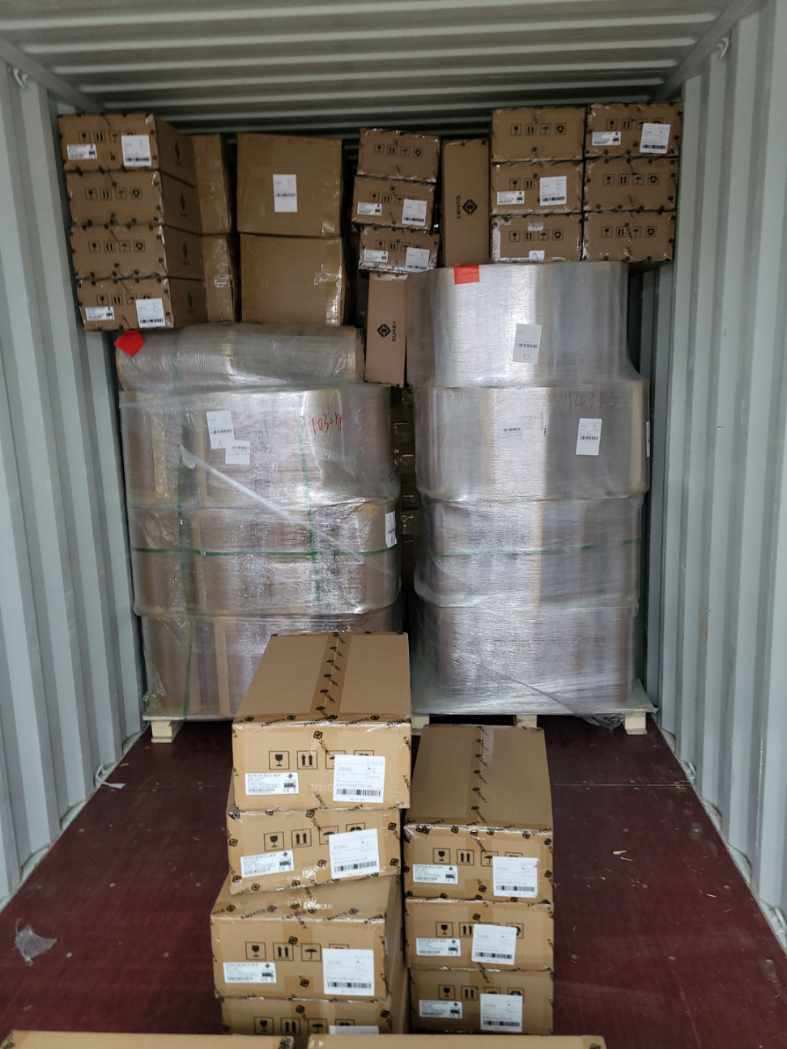
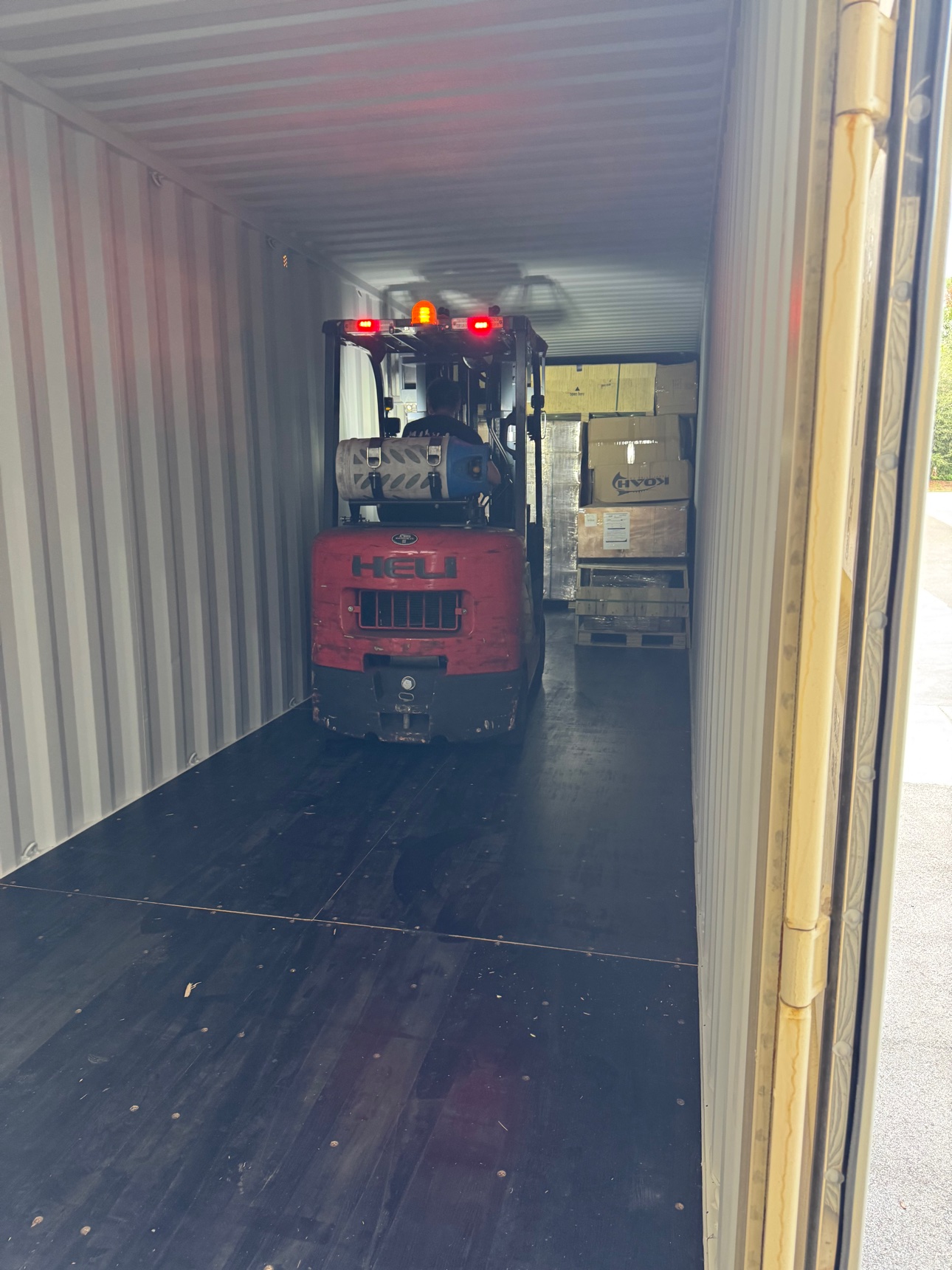
The container backs to the dock. The crew unloads it, checks the freight, and builds it to pallets where it arrived floor-loaded. Then the freight is sorted by destination, wrapped, and reloaded onto 53-foot dry vans, or held in short-term storage until the delivery window opens.
Whether the load arrived floor-loaded or palletized changes the unload more than anything else. A floor-loaded container is unloaded by hand, piece by piece, and every pallet is built at the dock. A palletized container comes out on the forklift, pallet by pallet. Tell the warehouse which one it is in the first message. It is the single biggest factor in how long the job takes and how many people it needs.
The reload step needs the same care as the unload. A 53-foot dry van holds more than a 40-foot ocean container, but the freight does not scale up in a neat ratio. Three 40-foot containers into two 53-foot vans holds only for lightweight palletized freight. A loose-loaded 40 built to pallets can fill two dry vans on its own, because palletizing adds cube. Heavy palletized freight hits the van’s weight limit while cube is still left. Never plan outbound trucks from the container count. Plan them from the pallet count and the weight.
Some jobs skip storage entirely. Freight that moves straight from the inbound container to an outbound trailer is a cross-dock, and the listed warehouse offers cross-docking alongside transloading. If the receiver cannot take the freight yet, it goes into short-term warehouse space instead.
What freight moves through Iowa this way
The receivers at the end of these runs are food processing plants, farm suppliers, equipment makers, and retail distribution centers. Their freight is palletized ambient goods in most cases: packaged food and ingredients, farm inputs, machine parts, and retail stock bound for a regional center.
Packaged food and farm inputs can run heavy and dense, so weight matters as much as pallet count. Equipment can run oversized or awkward, so the crew needs the dimensions before the doors open. Retail stock can run many SKUs in one container, so the sort takes longer than the unload. Name the freight plainly in the quote request.
Two services on the listing matter for specific loads. FDA handling is listed, which fits food and ingredient freight. Climate-controlled space is listed too, for freight that needs a temperature hold. Both are listing tags, not guarantees for a particular load, so confirm them on the quote call.
Shifted loads
If the load shifted on the highway leg or at the rail hub, and the receiver will not take it as it stands, the same warehouse can rebuild it. Pallet restacking and rework are on the listing, and the rebuild happens at the dock before the freight rolls out. A shifted load has its own page: pallet restacking in Iowa (/pallet-restacking-iowa/).
What shapes the quote
There is no public rate card for an Iowa transload. Every quote is per job.
The truck leg from the rail hub is the first driver. A dray from Kansas City costs the warehouse a different day than a dray from Chicago. After that, the usual drivers apply: floor-loaded or palletized, pallet count and piece count, sort and rework scope, turn speed, and days in storage.
Splits add their own scope. A single container serving several Iowa destinations is a normal job, not an exception. Lay out the full split when you contact the warehouse: every destination, and the pallets for each. The warehouse can line up the outbound trucks, or you can bring your own. Outbound runs are priced per truckload or per pallet, depending on the load and the warehouse’s rate structure.
Heavy or oversized items add their own questions about equipment and dock space. Name them in the first message rather than letting the crew find them when the doors open.
What to send so the first reply is usable
Quote requests go directly to the warehouse, which replies as soon as possible, normally within 24 hours or less. A full first message gets a usable answer back.
Send this in the first message:
- Container size and type, and whether the load is floor-loaded or palletized
- Weight and dimensions of the items, or an itemized pack list.
- Pallet count if known, or piece count and item sizes
- Which rail hub the box comes off at: Chicago, Kansas City, Omaha, or Minneapolis
- Who arranges the truck leg from the hub: the warehouse or you
- Every destination and the pallets per destination, if the load splits
- What happens after the unload: straight reload, short hold, or cross-dock
- Heavy, oversized, or special handling items, named plainly
- Target arrival date and whether same-day or next-day turn is needed
When the dock has room, a same-day turn is often possible, and next-day is commonly doable. Neither is a promise for a specific load. Appointments are required, so get on the calendar as soon as the hub and the arrival date are set, and confirm the appointment, the rates, and the scope before the truck rolls.
Find a warehouse in Iowa
Open the Iowa warehouse map, search near Des Moines, and contact the warehouse that fits your load. Each listing shows what the warehouse does, where it serves, and how to reach it.
The warehouse listed for Iowa is Bison USA in Des Moines, where I-35 and I-80 cross. Its listing carries transloading, cross-dock, short-term storage, restack and pallet rework, drayage, FDA, and climate-controlled handling, and it is open seven days a week by appointment. Listings can change, so check the map and call to confirm.
Start here: Find a Warehouse in Iowa
Frequently asked questions
The box comes off the rail in Chicago, Kansas City, Omaha, or Minneapolis, then rides a truck two to five hours to Iowa. The transload happens at the Iowa warehouse: the container is unloaded there, the freight is built to pallets, and it reloads onto a 53-foot dry van. Name the rail hub in your quote request.
Pick by direction: Chicago from the east on I-80, Kansas City from the south on I-35, Omaha from the west on I-80, Minneapolis from the north on I-35.
The crew unloads the container, checks the freight, builds it to pallets where it arrived floor-loaded, sorts it by destination, and reloads it onto 53-foot dry vans or holds it in short-term storage. A floor-loaded container takes longer than a palletized one because every pallet is built by hand at the dock. Outbound truck count follows pallet count and weight, not container count: three 40-foot containers into two 53-foot vans holds only for lightweight palletized freight, a loose-loaded 40 built to pallets can take two dry vans on its own, and heavy palletized freight hits the weight limit while cube is still left.
The truck leg from the rail hub comes first, because a dray from Kansas City is a different day than a dray from Chicago. Then the load itself: floor-loaded or palletized, pallet count, sort and rework scope, turn speed, days in storage, split destinations, and heavy or oversized items.
Send the full packet straight to the warehouse, which normally answers within 24 hours or less. Include the container size and type, whether the load is floor-loaded or palletized, and the Weight and dimensions of the items, or an itemized pack list. Add the pallet or piece count, the rail hub, who arranges the truck leg from the hub, every destination with the pallets per destination if the load splits, and what happens after the unload. Name heavy or oversized items plainly, and give the target arrival date and the turn you need.
When the dock has room, a same-day turn is often possible, and next-day is commonly doable. How fast it turns comes down to the appointment, the crew schedule, floor-loaded or palletized, and whether the outbound trucks are ready. Appointments are required, and the listed warehouse is open seven days a week.