Your freight is already rolling across Iowa and it does not need a home here. It needs a dock, a crew, and a new truck. Maybe a container has to come apart and go back out on domestic trailers. Maybe one inbound load has to break into several deliveries across the state.
This page covers how that pass-through works here, and what to send so the warehouse can give you a usable number.
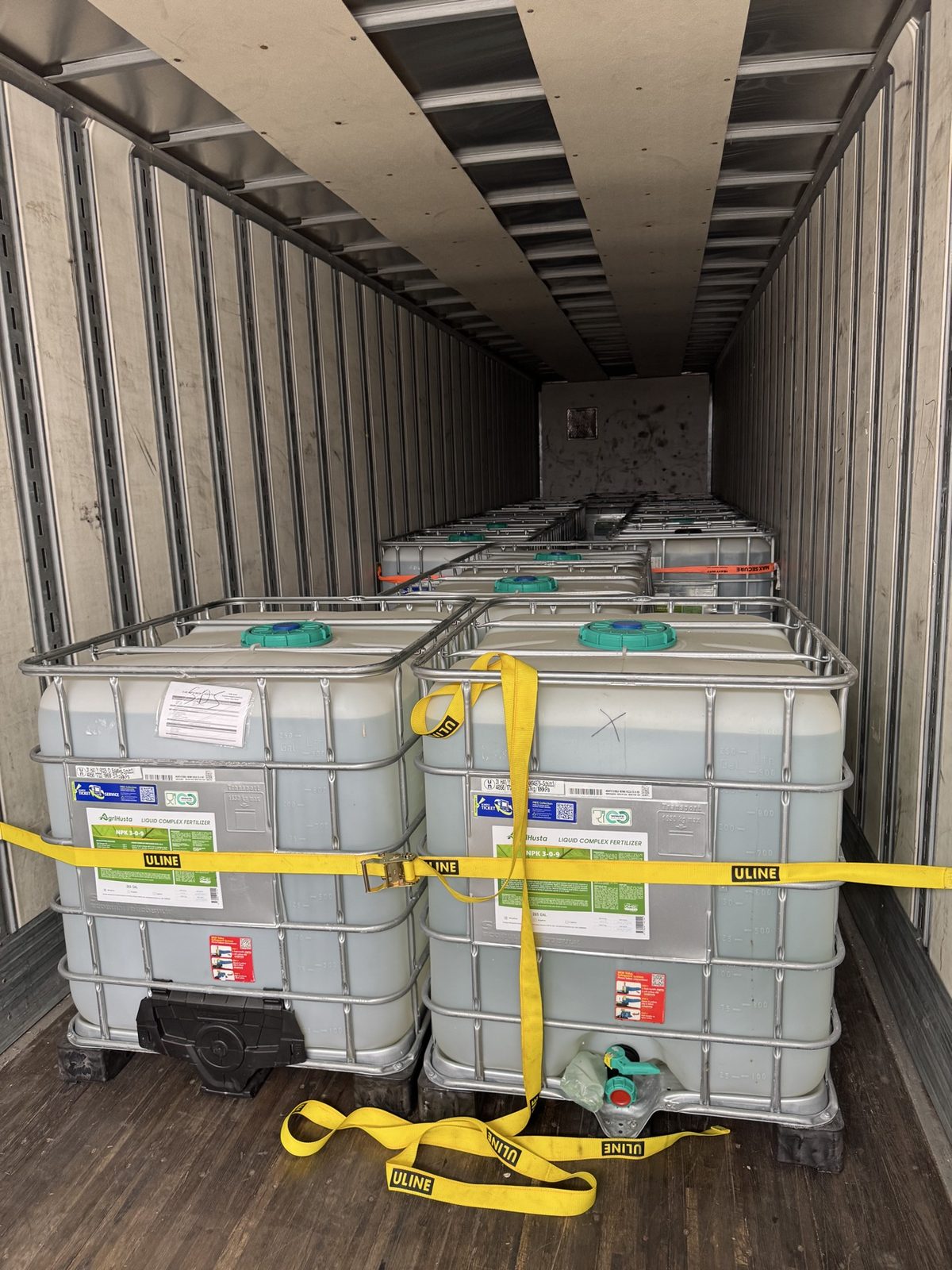
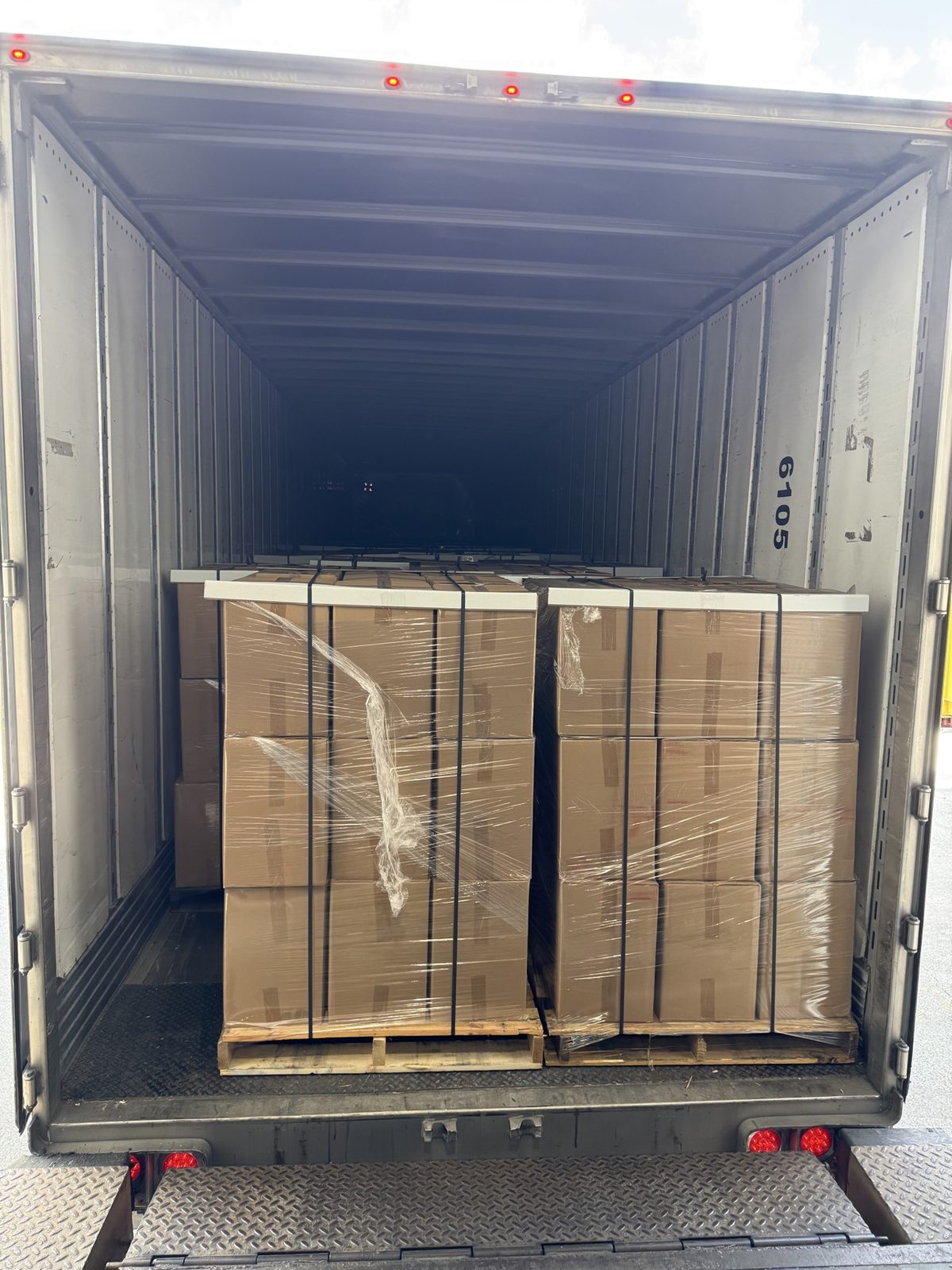
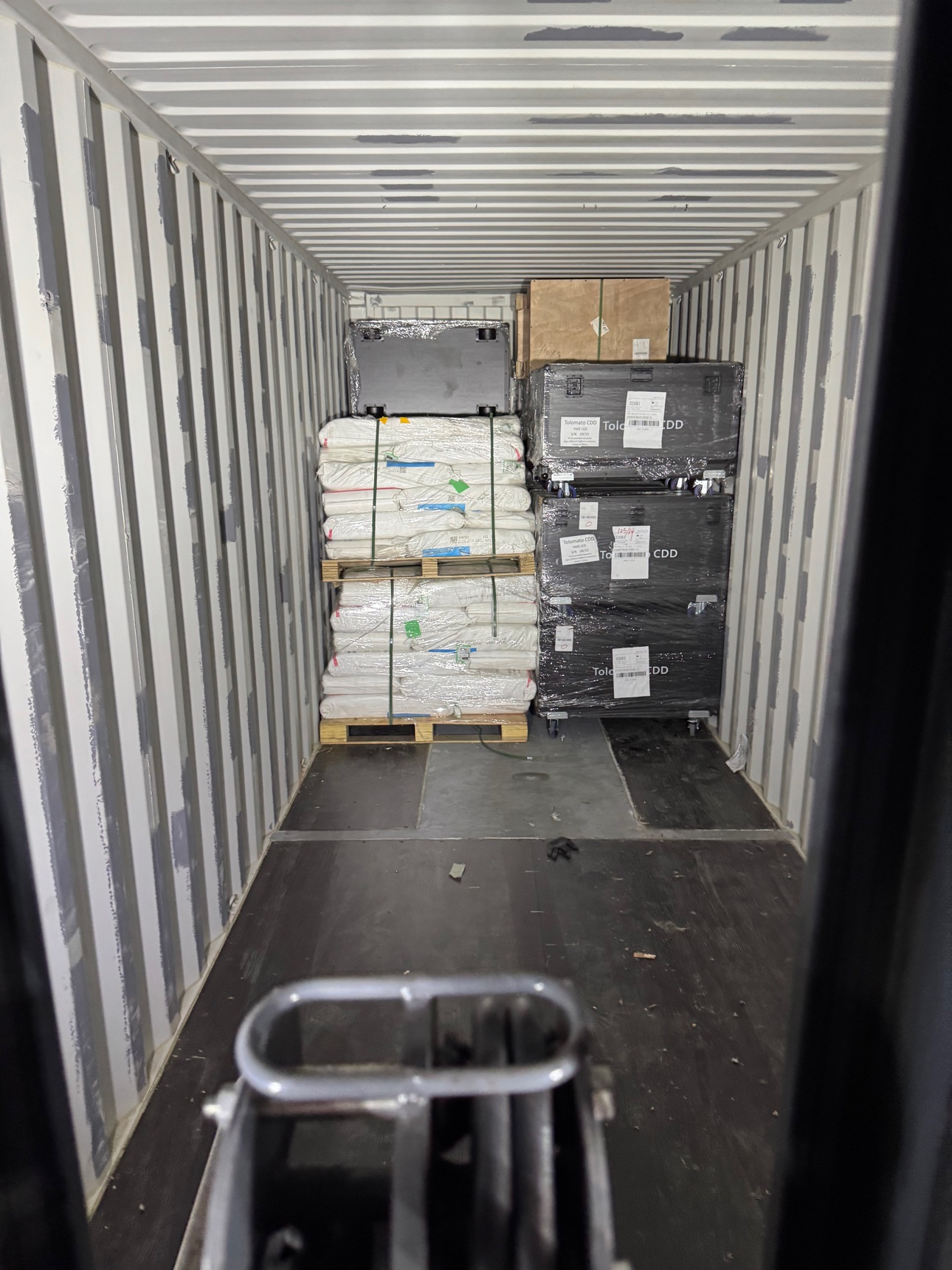
Iowa is a pass-through, not a port stop
Iowa has no container terminal of its own. Boxes bound for the state come off the rail in Chicago, Kansas City, Omaha, or Minneapolis, then ride a truck another two to five hours to get here.
I-80 runs east to west across the state and I-35 runs north to south, and the two cross in Des Moines. A dock at that crossing can serve freight headed in any direction without a long deadhead. The docks on the receiving end are food processing plants, farm suppliers, equipment makers, and retail distribution centers, and they run on tight schedules.
Pick the move first: live unload or drop trailer
Before you ask for a price or a door time, settle which of these two moves you need. The warehouse plans crew, doors, and outbound trucks differently for each one, and a quote built for the wrong move will not hold.
A live unload means the driver stays with the truck while the crew works. The inbound trailer backs to a door, the crew unloads it, sorts the freight, and loads it straight onto the outbound trucks.
A drop trailer means the driver leaves the trailer at the warehouse and goes on to the next job. The crew works the load on its own schedule, sorts it, and loads the outbound trucks as they arrive.
Say which one you want in your first message, and whether the inbound load is palletized or floor-loaded. Appointments are required, so call or write before the truck rolls and lock in the door time.
From a container to 53-foot outbound trucks
A lot of Iowa cross-dock work starts with a container. The box arrives by truck from one of the rail hubs, the crew opens it at the dock, and the freight has to leave on domestic trailers. The crew unloads it, building floor-loaded freight onto pallets as it comes off.
Trailer count is where shippers get caught out, so do not plan it off a shortcut. A loose-loaded 40-foot container, once it is built onto pallets, can fill two dry vans on its own. Three 40-foot containers of lightweight palletized freight can fit into two 53-foot trailers, but only for lightweight palletized freight, and that ratio is never a safe assumption for a specific load. Heavy palletized freight weighs a dry van out before it cubes out.
One load in, several Iowa stops out
The other classic Iowa job is the split. One inbound load arrives and its freight belongs in several places: a few pallets to a plant in Cedar Rapids, a few more to a supplier near the Quad Cities, the rest on to Des Moines or out of state.
Lay out the whole split when you first ask for a quote: every destination, and how many pallets go to each one. When the crew has the full list from the start, each pallet goes to the right outbound trailer the first time.
The warehouse can line up the outbound trucks, or you can book your own carriers and hand over the pickup details instead.
What to send so the quote comes back usable
Quote requests go directly to the warehouse. Expect an answer quickly, usually inside a day. Send this in your first message:
- Inbound details: what is arriving, on what trailer or container, and when it is due
- Live unload or drop trailer, and whether the driver waits
- Pallet count, and whether the freight is palletized or floor-loaded
- Weight and dimensions of the items, or an itemized pack list
- Every outbound destination, with pallets per destination
- Outbound appointments, and who is arranging the outbound trucks
- Handling needed, such as sorting, palletizing, wrapping, or labeling
- Anything about the freight that changes how the crew can handle it
- A contact name and phone number for the driver and for the person who can answer questions at the dock
What the number follows
No Iowa cross-dock rate is printed on this page, and no number here should be read as one. Every quote is built for one specific job, so what matters is the work in front of the crew.
Start with how much freight there is. A bigger pallet count means a longer unload, a longer sort, and a longer load-out, and a load that arrives loose takes more hands than one that arrives on pallets. Every extra touch adds crew time: sorting, rebuilding, wrapping, labeling, or checking against the pack list.
Timing comes next. Holding a door and a crew for one load on one exact window costs the warehouse the other work it could have done in that slot, so a same-day turn with a fixed window runs higher than a next-day turn with room to move. Each outbound trailer is another loading pass, so more trailers mean more dock time.
When the outbound truck runs late
Outbound trucks run late. A driver gets held up on I-80, a receiver pushes a delivery appointment, or an outbound trailer shows up with the wrong equipment. Settle what happens then before the load arrives, not while the freight is sitting on the dock.
The first move is a phone call, as soon as you know. With a few hours of warning, the warehouse can shuffle the dock, keep the sorted freight in one orderly spot, and rebook the outbound truck.
Ask before arrival where the freight waits, how a missed slot gets rebooked, and what a short hold involves in general terms.
Find a cross-dock warehouse on the Iowa map
The warehouse currently listed for Iowa cross-dock work is Bison USA in Des Moines, where I-80 and I-35 cross. Its listing shows cross-dock, transloading, short-term storage, restack and pallet rework, drayage, FDA, and climate-controlled handling, and it is open seven days a week with appointments required. Never send a load to a warehouse without calling first.
Start from the Iowa warehouse map, pick the listing, and send the full packet in one message. The map is also where you will find the Transloading in Iowa guide, short-term warehouse space in Iowa, and pallet restacking in Iowa if the job turns out to be a different one.
Cross-docking in Iowa: FAQ
Freight passes through the dock and leaves again, usually the same day or the next day, without being put away as stock. Storage keeps freight as palletized stock for days or weeks and ships it later when the receiver is ready.
Pick the live unload when the outbound trucks are already set and the driver can wait while the crew works. Pick the drop trailer when the inbound truck arrives ahead of the outbound trucks.
Yes. The container arrives by truck from a rail hub, the crew unloads it at the dock, builds floor-loaded freight onto pallets, sorts by outbound destination, and loads the outbound trailers. Three 40-foot containers of lightweight palletized freight can fit into two 53-foot trailers, but only for lightweight palletized freight, and that is never a safe assumption for a specific load.
Send the inbound details and arrival time, live unload or drop trailer, the total pallet count and whether the freight is palletized or floor-loaded, every destination with pallets per destination, the outbound plan and who arranges the outbound trucks, and a contact who can answer questions at the dock. Weight and dimensions of the items, or an itemized pack list.
Yes. Raise the split in the quote request so the warehouse prices the real job, and send every destination with the pallets for each one in the first message.
Send the full packet straight to the listed warehouse, using the Iowa warehouse map to pick the listing. Expect an answer quickly, usually inside a day.