
Two Texas stories that end at the same dock door
Picture the first one in Houston. A Gulf import container comes off a ship, gets stripped or transferred, and rolls to a receiver around the port. By the time the doors open at delivery, the load has leaned or a pallet has given way, and the receiver will not touch it. The driver cannot finish the run, and the freight cannot go back out the way it came in.
Now picture the second one further west and south. A cross-border load clears Laredo, climbs I-35 through San Antonio, and starts shifting somewhere on the long run toward Dallas-Fort Worth. It may not get refused until it reaches the customer, or a driver may spot the lean at a stop and know the receiver will turn it away. Either way the truck is now carrying a problem instead of a delivery.
Both drivers need the same thing, and they need it close to where the truck already is: a warehouse crew that will take the load apart, build the pallets back up straight, secure them, and get the truck moving again. Restacking is that corrective work. It is not another delivery try using the same wobbly pallets, and it is not a full transload unless the job grows into one. For background on how freight moves statewide, see transloading in Texas.
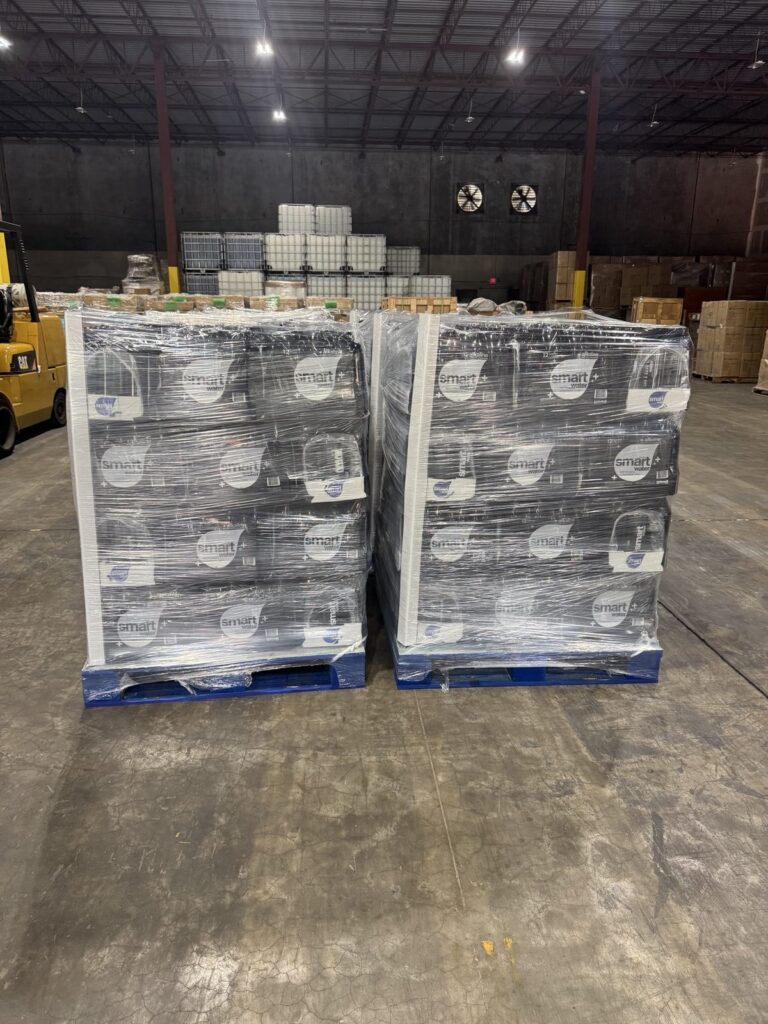
While the driver waits, stop the meter
A refused load gets expensive in a hurry, and the expense has nothing to do with the warehouse yet. National guide ranges put per-diem charges at about $75 to $200 a day, and demurrage at about $200 to $400 a day after roughly 4 days of free time. Those are guide ranges for equipment and container charges, not a quote from any Texas warehouse, and your own contract terms decide what you actually owe. Still, the point stands: every hour spent calling around blind is an hour the meter keeps running.
So the move is a phone call, not a written request that sits in an inbox. The usual sequence: the receiver rejects the load, someone sources a restack warehouse and usually shares photos of the shifted load with it, the truck arrives, and the warehouse evaluates the load before work begins. Pick the listed warehouse nearest the truck from Find a Texas warehouse on the map, call it directly, and talk through the load on the spot. That direct call is what fast-tracks a restack, because the warehouse can ask its questions, check dock room, and give you a yes and a time while you are still on the line. Do not drive to a warehouse unannounced and hope for a dock door. Most warehouses want an appointment first, and the ones that can move fast still need to know the truck is coming.
Choose the warehouse by where the truck already sits
Texas restack work follows the freight, and the freight follows two gateways. The first is Port Houston. The port handled a record 4,303,345 TEUs in 2025, up 4 percent from 2024, along with 54,491,066 short tons, up 3 percent. Barbours Cut and Bayport serve as its container terminals, and Wharf 7 at Bayport was finished in late 2025, with 1,000 extra feet of berth and capacity past 500,000 TEU. Behind those terminals sits the Houston Ship Channel, 52 miles long, with eight public terminals alongside over 200 private ones, and the largest waterborne tonnage of any port in the nation. A load refused near Houston rarely needs a long repositioning trip, because warehouses serving port freight sit close to where that freight lands.
From Houston, I-45 runs north to Dallas and I-10 runs east and west along the Gulf corridor, so a refused Gulf import load can usually reach help without crossing the state. The second gateway is Laredo, the busiest inland port in the United States. Its World Trade Bridge and Colombia-Solidarity Bridge handle between 14,000 and 18,000 commercial trucks daily, and about 39 percent of US-Mexico trade by value moves through Laredo. I-35 carries that cross-border freight from Laredo through San Antonio to Dallas-Fort Worth, which makes the whole corridor restack territory: a load that shifts near the border, around San Antonio, or on the approach to Dallas-Fort Worth has warehouses along the same road it was already traveling.
That geography is why the map matters more than any single recommendation. This page does not single out one warehouse over the rest. You look at the listed Texas warehouses, pick the one closest to the truck, and call it. Dallas-Fort Worth is often the redelivery territory at the end of an I-35 run, while Houston is where a Gulf import refusal usually starts, so let the truck’s position pick the warehouse, not a brand name.
What happens once the crew gets the load
When the truck arrives, the warehouse evaluates the load and records the seal and the condition of the load as it stands. That check-in record matters, because it fixes what was already damaged before anybody touched a pallet, and it gives the quoting conversation a shared starting point.
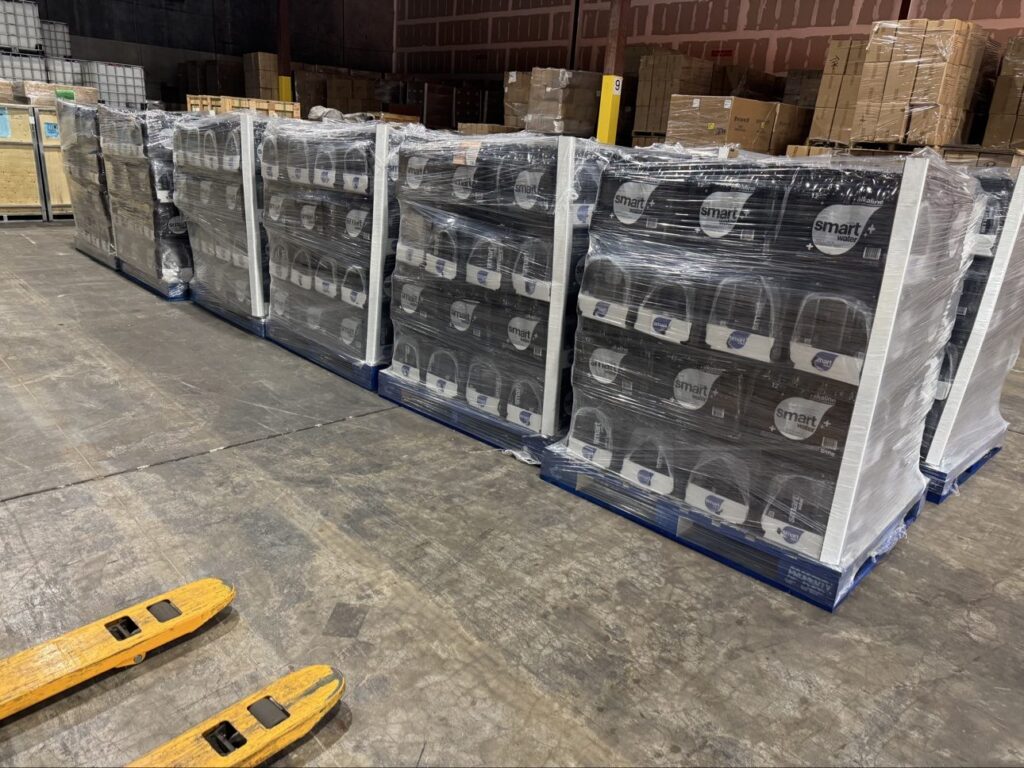
The crew normally restacks inside the trailer, because shifted pallets cannot be safely moved. The full load is restacked, pallet by pallet, and built back up to match how it was packed before it shifted, swapping out any broken pallets along the way. Wrap, straps, and corner boards go back on to hold the rebuilt pallets together. If you want banding as well, say so while you are talking price, because banding sits outside the standard rebuild and gets handled during quoting. If requested, the warehouse can take photos and estimate how many pallets need restacking before beginning. Before work starts, flag anything special about your load: photos you need taken, damaged freight that should be set aside instead of rebuilt, or any other handling instruction the crew should know. Confirm those specifics with the warehouse before the job begins, so nothing about the rebuild is assumed.
A crew finishes by checking that the rebuilt load is ready for a receiver to accept. That check is the whole point of the job. A load that leaves the warehouse looking straight but still unstable will only get refused a second time. When the rebuild is done, the warehouse issues the invoice, and it is paid in full before the driver is released with the corrected freight.
The call that turns into a price and a dock time
A warehouse cannot quote or schedule a restack from “my load shifted” alone. It needs the load’s facts, and the faster you have them ready, the faster the driver gets a dock time. Have the bill of lading in hand, a short description of what went wrong, and photos of the shifted load if you have them. Photos are usually shared with the warehouse when the load is sourced, and they help the warehouse quote and check the load in, but they are not a rule every warehouse applies to every job, so ask the warehouse you call what it wants before the truck arrives.
For a load a receiver already turned away, be ready to walk through these points in whatever order the conversation takes:
- Where the truck is right now.
- What the freight is.
- What kind of trailer it is on.
- How many pallets are involved.
- Weight and dimensions of the items, or an itemized pack list.
- Why the receiver refused it.
- What damage you can already see.
- Where the load needs to go next.
That rundown lets the warehouse size the crew, the time, and the price without a second round of questions while the driver waits. Availability still varies from one warehouse to the next, as do appointment rules and live-unload versus drop-trailer options, so ask about all of them on the same call. Many warehouses can take a load inside a day, and a few can take one the same day you call if they have dock room, but confirm it directly rather than assuming it. Also confirm before sending the truck whether there are load types that particular warehouse will not take, because that list is set warehouse by warehouse and is not printed here.
Why one restack quotes higher than another
There is no published Texas restack rate on this page, and no single number would be honest across every load and warehouse. What a warehouse quotes depends on the job in front of it. How many pallets and cartons need handling is usually the first sizing factor. How much sorting the crew has to do, and how much handling the freight needs beyond a straight rebuild, moves the number next. How tight your turnaround is moves it too, because a crew pulled off other work to take a load today is a different job from one booked for tomorrow.
That is why the call checklist in the last section is also the pricing conversation. A warehouse quoting from the full rundown can give you a real number for your load. A warehouse guessing from a one-line description cannot, and budgeting from a rate you saw somewhere else will only set up a surprise. Get the quote from the warehouse itself, on the call, for the load you actually have.
Once the pallets are square again, three ways the load leaves
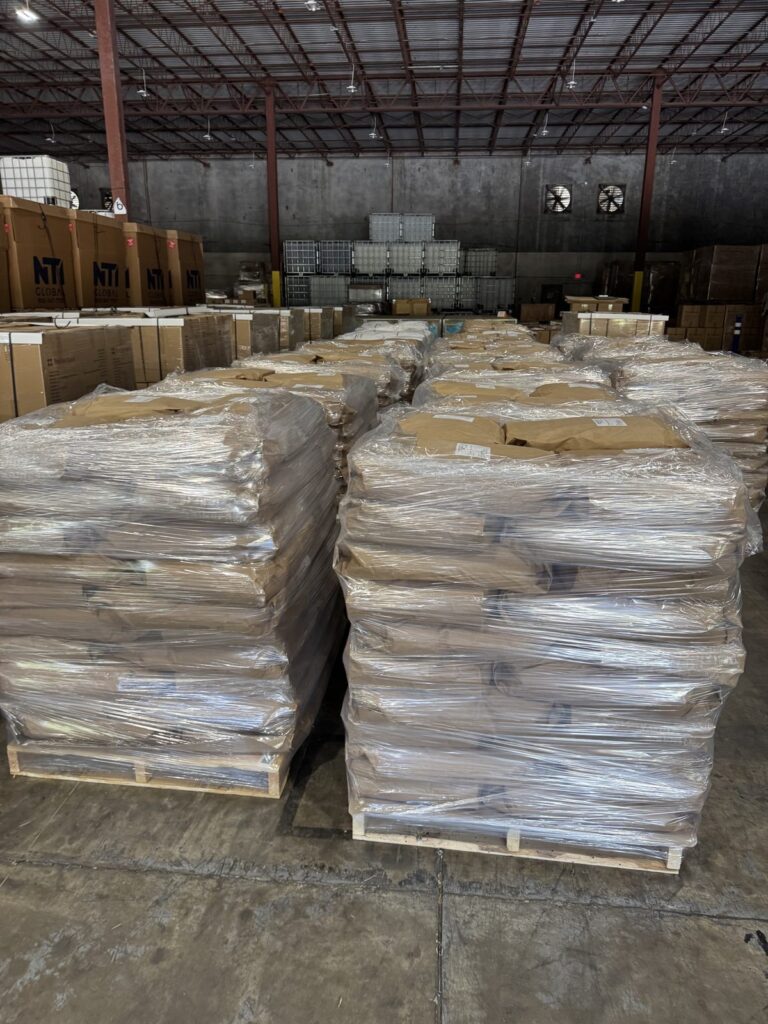
The usual ending is the simplest one. The driver leaves with the same trailer he came in on, the rebuilt freight back on board, and no storage in between. That is how most restacks finish, and it is the outcome to plan around unless you ask for something different.
The second ending is a hold. If the receiver cannot take redelivery yet, tell the warehouse you need storage and redelivery, and pin down the hold terms with that warehouse before the truck leaves. Hold terms are not the same everywhere, so the warehouse you chose is the only source for its own terms.
The third ending is a split. Every listed Texas warehouse handles split deliveries, so one rebuilt load can go out to more than one destination. When you call, lay out the whole split: which destinations, and how many pallets go to each one. The warehouse can line up the outbound trucks, or you can line up your own. Outbound pricing may be figured per truckload or per pallet, depending on the details of the load and on how that warehouse prices its outbound work.
One more thing to settle on the call: there is no sitewide promise that a second delivery will stick. TransloadNow warehouses as a group do not offer a blanket guarantee on restack deliveries, but individual warehouses set their own terms, and Warehousing Etc in Tampa does offer a restack delivery guarantee on its own work. If a guarantee matters to your load, ask the warehouse you call what it offers rather than assuming it.
The same call can also raise short-term storage, cross-docking, and container unloading, which are quoted separately from the restack, so mention them instead of assuming they are folded in. If the job grows past a rebuild into a bigger transload, see transloading in Texas.
Find a Texas warehouse on the map
Find a Texas warehouse on the map, and call the warehouse directly with the rundown from the call section: bill of lading, description of what went wrong, photos if you have them, pallet count, weight and dimensions of the items or an itemized pack list, rejection reason, visible damage, and destination. The choice among the Texas listings is yours, and the call is what turns that choice into a dock time.
Questions drivers and brokers ask before they call
Look at the Texas warehouse map and pick the listed warehouse nearest the truck, whether that is around Houston for a Gulf import refusal or along I-35 for a cross-border load headed toward Dallas-Fort Worth, then call that warehouse directly. Tell it where the truck sits, what shifted, and how many pallets are involved.
Timing varies by warehouse and by job. Many warehouses can take a load inside a day, and a few can take one the same day you call if they have dock room, so confirm availability directly on the call. Have this rundown ready: location, commodity, trailer type, pallet count, weight and dimensions of the items, or an itemized pack list, rejection reason, visible damage, and destination.
The crew evaluates the load on arrival and records the seal and the load’s condition at check-in. The rebuild normally happens inside the trailer, because shifted pallets cannot be safely moved. The crew restacks the full load pallet by pallet, building it back up to match how it was packed before it shifted. Broken pallets get swapped out, and wrap, straps, and corner boards go back on to hold the rebuilt pallets together. Banding sits outside the standard rebuild and gets handled during quoting. When the rebuild is done, the warehouse issues the invoice, and it is paid in full before the driver is released with the corrected freight.
Photos are usually shared with the warehouse when the load is sourced, and they help a warehouse quote the job and check the load in, but they are not a rule every warehouse applies to every job. If requested, the warehouse can also take photos and estimate how many pallets need restacking before beginning. Ask the warehouse you call what it wants before the truck arrives.
No single number would be honest across every load and warehouse. A quote moves with pallet and carton count, how much sorting and handling the crew has to do, and how tight your turnaround is. Call the warehouse with the full rundown and get a quote for your load from the warehouse itself.
Usually the driver leaves with the same trailer he came in on and no storage in between. If you need storage and redelivery instead, say so when you call, and pin down the hold terms with the warehouse you chose, because those terms are not the same everywhere.
Yes. Every listed Texas warehouse handles split deliveries. Lay out the whole split when you call: which destinations, and how many pallets go to each one. Outbound pricing may be figured per truckload or per pallet, depending on the details of the load and on how that warehouse prices its outbound work.