
When an Iowa receiver says no
The driver is parked somewhere on I-80 or I-35, or standing at a dock in Des Moines, Cedar Rapids, or the Quad Cities, with a trailer he cannot deliver. The receiver took one look at the load and sent him away, or the pallets walked on the highway and the lean is too far gone to chance.
Iowa has no big container terminal of its own. Boxes headed for the state come off the rail in Chicago, Kansas City, Omaha, or Minneapolis, then ride a truck another two to five hours to get here. By the time a load reaches an Iowa dock, it has already been handled, drayed, and driven a long way. A refusal at the end of that run is not a small problem. It is a driver with his hours burned and no place nearby to fix it.
The docks on the other end are food processing plants, farm suppliers, equipment makers, and retail distribution centers, and they run on tight schedules. A leaning load does not get a second look. It gets turned around.
This page covers how the rebuild works, what to have ready when you call, and how payment runs before the driver moves again.
Where restack work happens in Iowa
Restack work in Iowa happens at warehouses that take distressed loads, and the map is where you find them. The warehouse currently listed for Iowa restack work is Bison USA in Des Moines, with restacking on its listing, along with pallet rework. The listing can change, so check the map before the truck moves and call to confirm the crew takes restack work and has dock space today. A tag on a listing still needs a phone call to back it up before the truck moves. Never send a shifted load to a warehouse without calling first.
The listed warehouse sits where I-35 and I-80 cross in Des Moines, so the run from most Iowa docks is short. It is open seven days a week and takes appointments.
For the wider picture of moving freight through Iowa warehouses, see our Transloading in Iowa guide.
Inside your trailer: how the rebuild actually goes
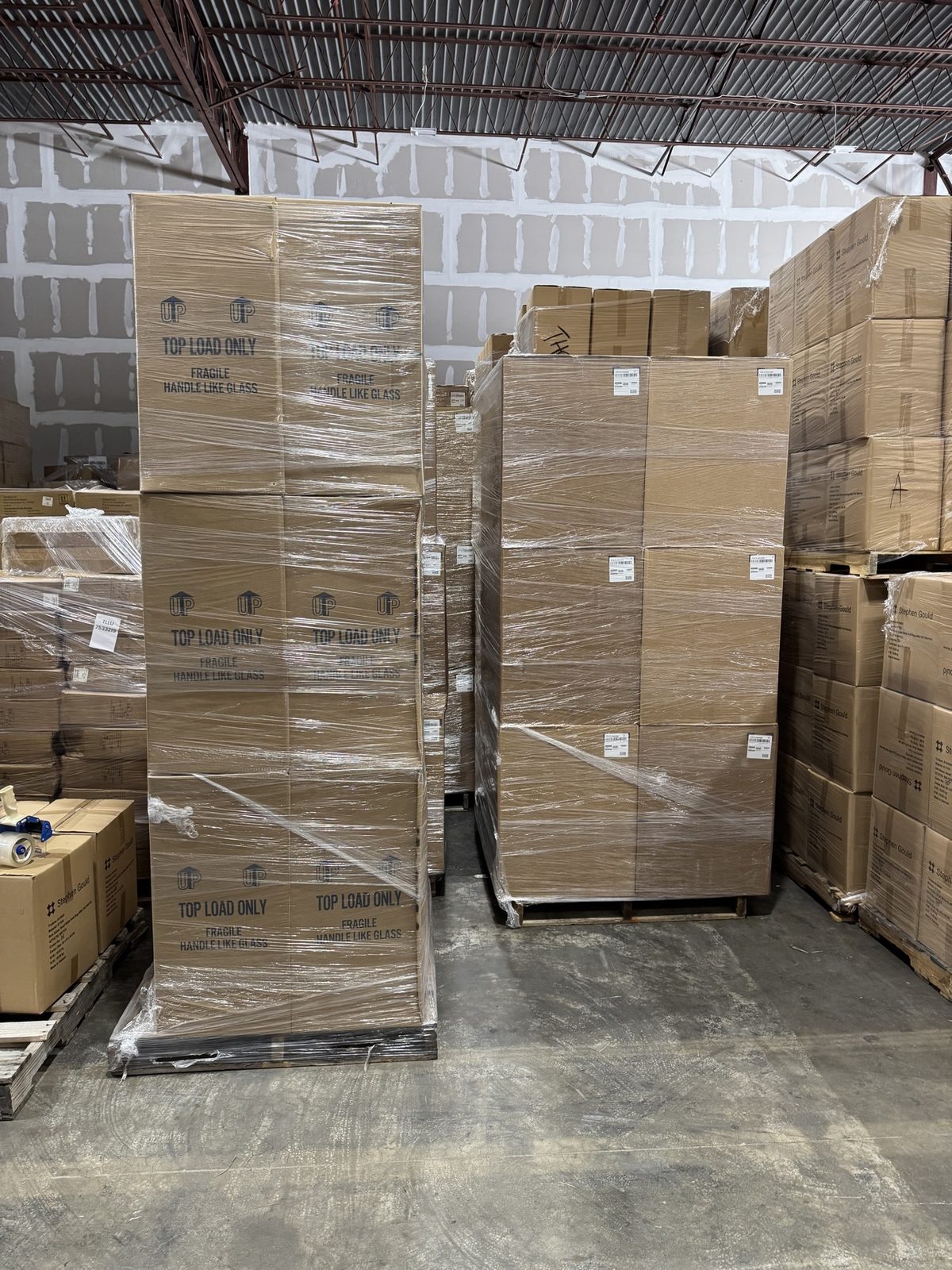
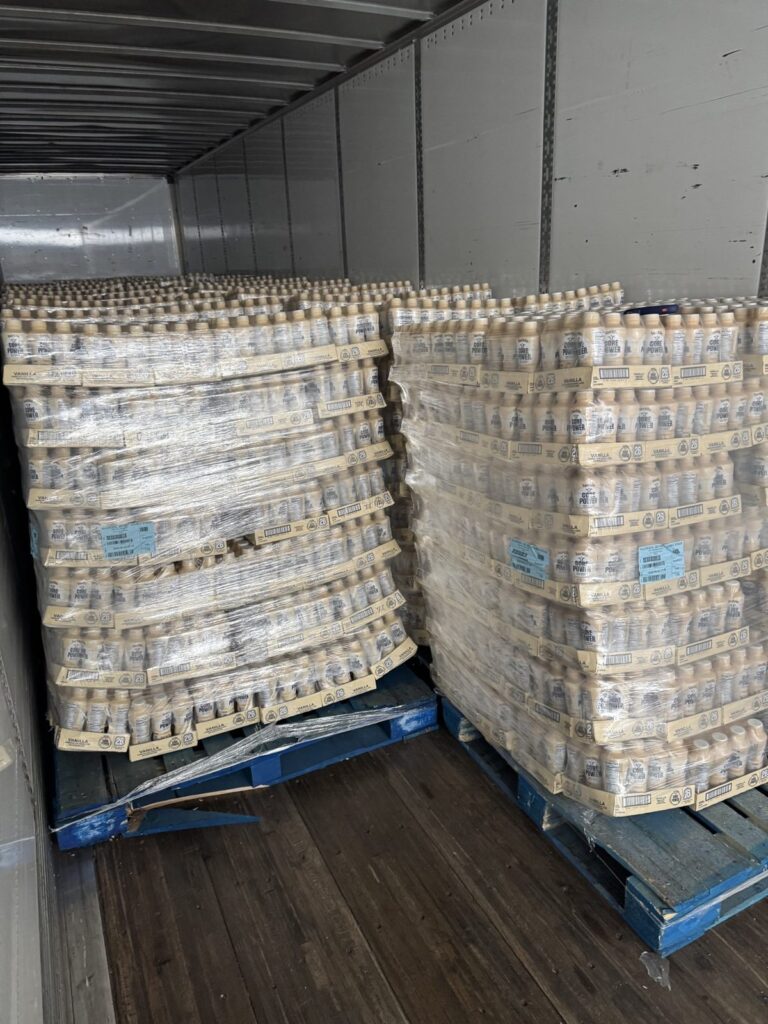
Nothing gets pulled out of a leaning trailer. The crew works inside the box, because a shifted pallet can fall the moment it moves. That is the first thing to understand about the job.
The sequence is the same on every restack. The receiver refuses the load and the truck leaves. Somebody calls a restack warehouse, usually sending photos of the damage so the warehouse can see what it is dealing with before the truck gets there.
Once the truck is on the dock, the crew opens the doors and looks at the lean, how far the pallets spread, and what broke. Ask and they will take their own photos and give you a pallet count for the rebuild before anyone starts lifting.
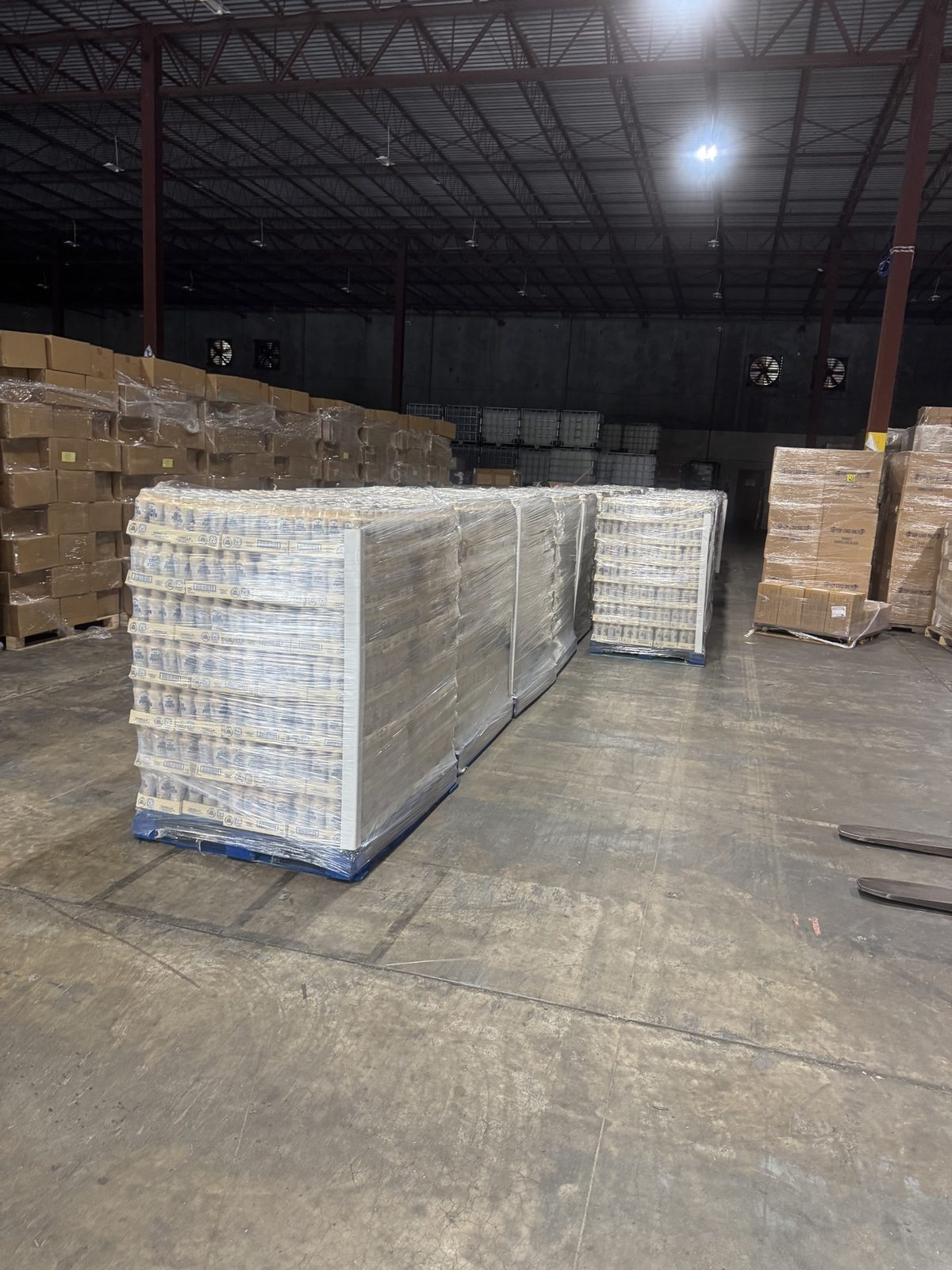
Then the crew rebuilds the whole load back to the way it was loaded. Damaged pallets get swapped out. The load gets wrapped and strapped again. Banding is extra, not part of a standard rebuild, so bring it up on the quote call if the receiver requires it.
When the work is done, the warehouse sends the invoice, and the driver stays put until it is paid in full. A repeat client may be on normal terms instead.
The first call, done right
Call now and describe the load: where the truck sits, where the refusal happened, what moved. That conversation turns into the dock time and the number. Have this together before you dial:
- Where the truck sits now, and where the load was refused
- Freight type, packing, trailer type and size, pallet count
- How many pallets look shifted or damaged, photos if you have them
- General commodity details, in plain terms: what the freight is
- Weight and dimensions of the items, or an itemized pack list. The warehouse only asks for it when the freight is unusual or they have questions.
- Rejection reason, visible damage, destination after the rebuild
- Who pays the invoice
Send whatever photos you have when you call. They let the warehouse size up the job before the truck gets there. Photos do not take the place of the warehouse’s own look at the trailer, but they turn a vague call into a booked dock time.
Email can wait. A written reply is the slow way to fix a load that needs a crew today. It all starts with that call.
What the number follows
Nobody can price a restack off a card. The number follows what the crew expects to find when the trailer doors open, and no single figure holds up against the actual load.
| What the crew finds | What it does to the quote |
|---|---|
| Shift distance and pallet count | A trailer that walked all the way sideways is a full day inside the box. A few leaning pallets are a short job. |
| Freight character | Heavy or awkward freight fights the crew on every lift. Light, uniform pallets go back up fast. |
| Breakage | Broken pallets, burst cartons, and damaged goods mean rework or setting product aside, and the price follows the extra work. |
| Receiver add-ons | Banding and anything else the receiver demands gets priced on the quote call, never assumed. |
| Crew timing | Pulling a crew off the day’s schedule costs more than booking the next open slot. |
If the crew opens the doors and finds worse damage than the photos showed, the number goes up. Count on that. That is why the warehouse looks at the load before it quotes a price.
Decide the exit before the rebuild starts
Work out the ending before the crew starts. The usual result is simple: the driver leaves in the same trailer he arrived in, carrying the corrected load, with nothing stored in between.
If the receiver cannot take the load back right away, ask about holding the freight and sending it out again later. The warehouse sets the hold terms, and a hold is a separate agreement from the rebuild.
The rebuilt load can also split out to several stops instead of going back to one dock. Ask about split delivery on the quote call so the price matches the real job, and lay out the full picture: every destination, pallets to each. The warehouse can line up outbound trucks, or you can bring your own. Outbound pricing runs per truckload or per pallet, set by the load and the warehouse’s rate structure.
A shifted dry van goes back out as a dry van, usually the same one it shifted in. Restack work never involves trailer conversions.
Find a restack warehouse on the Iowa map
Pick up the phone instead of waiting on email. The warehouse listed on the map is the starting point. Confirm restack on the call, settle who pays, and lock in a dock time. The driver does not leave until the invoice is paid in full, so keep the payer reachable while the crew works. Start here: Find a Warehouse in Iowa.
Questions to settle before you call
Check the Iowa map for the warehouse listed for restack work, and confirm restack jobs before the driver heads over. Read the listing first, then confirm it on the phone. Lead with a call, not an email.
Restacking sits on the listed warehouse’s listing next to pallet rework. Read the listing, then ask on the call if the crew takes restack jobs and has dock space today. The listing tag plus a phone confirmation is the whole check.
Call and talk through the load. When the dock and crew are open, same-day often works and next-day is usually doable. The warehouse sets the timing once it has the details.
The crew walks the trailer, sizes up the lean and the breakage, and rebuilds the full load inside the trailer back to the way it was packed. Broken pallets get swapped out, wrap and straps go back on. The driver is released once the invoice is paid in full, unless the client is a repeat client on normal terms.
Where the truck sits, where the refusal happened, freight type and packing, trailer type and size, pallet count, how many pallets shifted or broke, photos if you have them, and who pays the invoice. Weight and dimensions of the items, or an itemized pack list. The warehouse will only ask for that if the freight is unusual or they have questions.
The usual result is the driver leaves in the same trailer with nothing stored in between. A hold with redelivery is its own agreement, on the warehouse’s terms. A split to several stops works when it comes up during quoting, with every destination and pallets per stop laid out up front.