Your container came off the ship at Port Newark-Elizabeth (the Port of New York and New Jersey’s container terminals in Newark and Elizabeth) and the receiver pushed the date back a week. Or your freight landed at Packer Avenue in Philadelphia and your regular building is still full from the last surge. Either way the box needs a place to wait that is not the terminal, and it needs one soon. Short-term warehouse space in New Jersey is pallet positions and receiving labor rented for the wait itself, for days or weeks or a few months. You are not signing a lease or staffing a building. You are buying the freight a place to sit until the receiver is ready or the outbound plan is set.
This is an ordinary week in New Jersey, not a special event. The Port of New York and New Jersey moved about 8.9 million TEUs in 2025, the largest container port complex on the East Coast. When that much freight lands, a box with nowhere to go yet is routine.
Pick your side of the market first
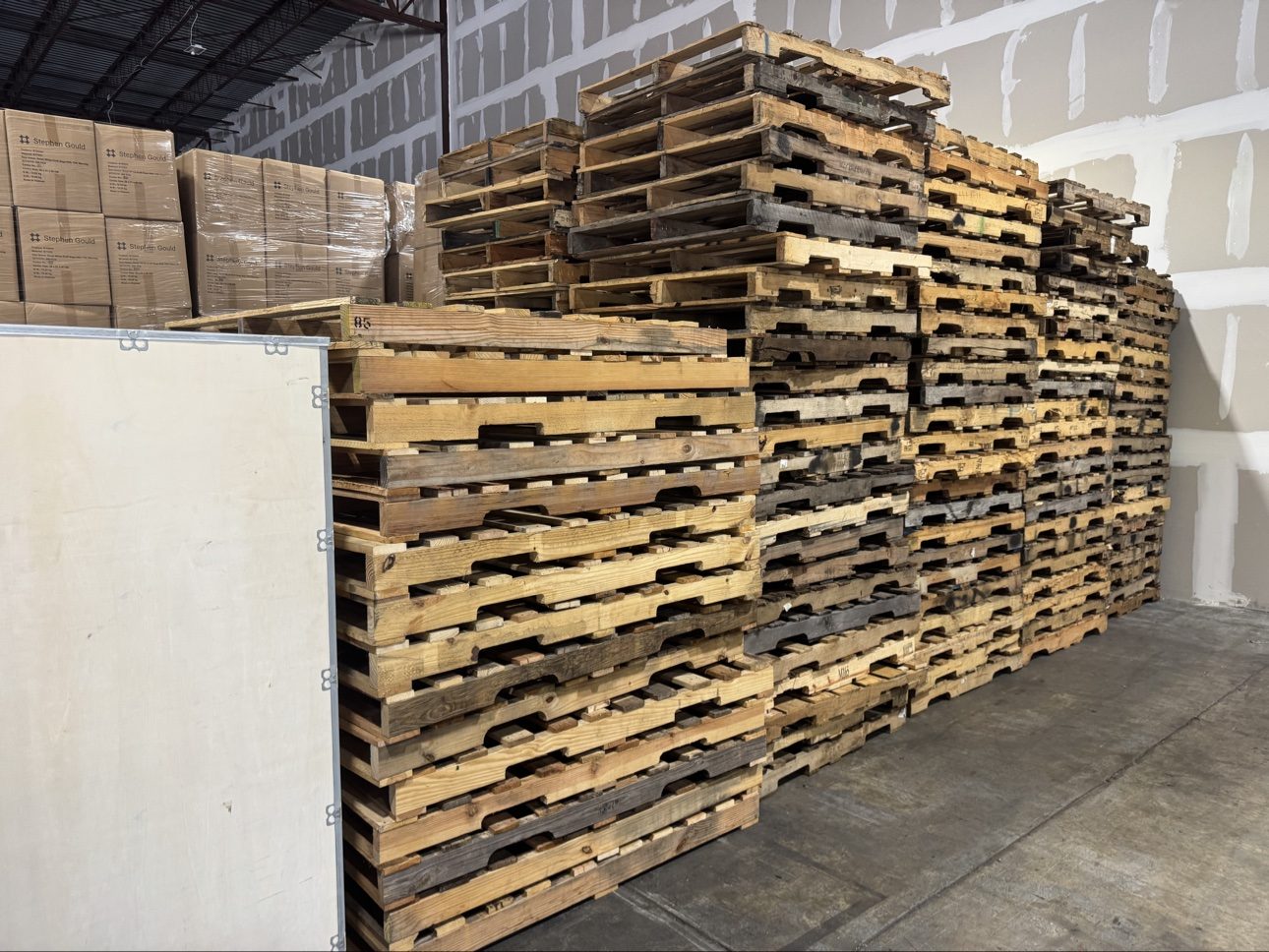
New Jersey holds freight in two places, and the first call is which side you need. Choose the side before you choose the warehouse, because the dray and the final leg both follow from it.
Freight off Port Newark/Elizabeth goes to the northern warehouses. The listed warehouses sit in Secaucus, Dayton, and Branchburg: Secaucus close to the terminals on the I-95 and Route 3 side, Dayton in central New Jersey near the Turnpike, Branchburg to the northwest along I-78 and I-287. These also cover freight headed to North Jersey, New York, and New England.
Freight off the Packer Avenue Marine Terminal in Philadelphia goes to the southern warehouses. PhilaPort handled a record 889,268 TEUs in 2025, up 39 percent since 2020. The listed warehouses sit in Camden, Cinnaminson, and Swedesboro, along the I-295 corridor on the New Jersey side of the Delaware River. These fit freight headed to South Jersey, the Philadelphia metro, and the Mid-Atlantic.
One thing both sides share: no listed warehouse sits inside the port terminals. Every hold starts with an inland dray off the box, so name your gateway and your side in the first message and let the warehouse see the inbound leg for what it is.
Only some listings hold freight. Check the tag.
This is where a wasted first call happens. Not every warehouse on the New Jersey map takes short-term holds. The Branchburg listing in the north and the Camden listing in the south carry a short-term storage tag on their directory pages. The others may still hold freight without tagging it, and a listing built around cross-dock or transload work is not proof it cannot hold.
So read the listing first, then ask the warehouse directly whether it takes short-term holds before you plan around it. A hold you assumed into existence is not a hold.
And every listing on the New Jersey map works by appointment. Call ahead, get the intake window set, and never send a truck in unannounced.
The clock you are trying to beat
Two clocks can run on the same load, and two different parties wind them.
Demurrage is what the terminal charges when a loaded container sits past free time. Detention, often called per diem, is what runs when the container or chassis is held past free time outside the terminal. For one known Newark/Elizabeth scenario, Port Newark Container Terminal’s published schedule (NY Terminal Conference Schedule No. 011408, effective October 5, 2026) gives dry imports 4 working days of free time, 2 for reefers and special equipment. Other terminals and lines differ, and no Philadelphia terminal figure was sourced for this page. As national guides only, demurrage free time runs about 4 to 7 days, with the first tier of charges starting around $200 a day and climbing from there; detention free time runs about 5 to 10 days from pickup. Your carrier, terminal, and contract move those numbers, so read any guide table as a sketch, not a Newark or Philadelphia tariff.
A hold usually exists to trade one clock for the other. Freight on pallets inside a warehouse sits on a cost you can plan around, and it can ship the moment the receiver is ready. A box left at the terminal past free time racks up demurrage daily. The trade only pays off if the hold is arranged before free time runs out. If demurrage has already started, a hold still stops the bleeding, but the days already charged are gone.
What moves the quote
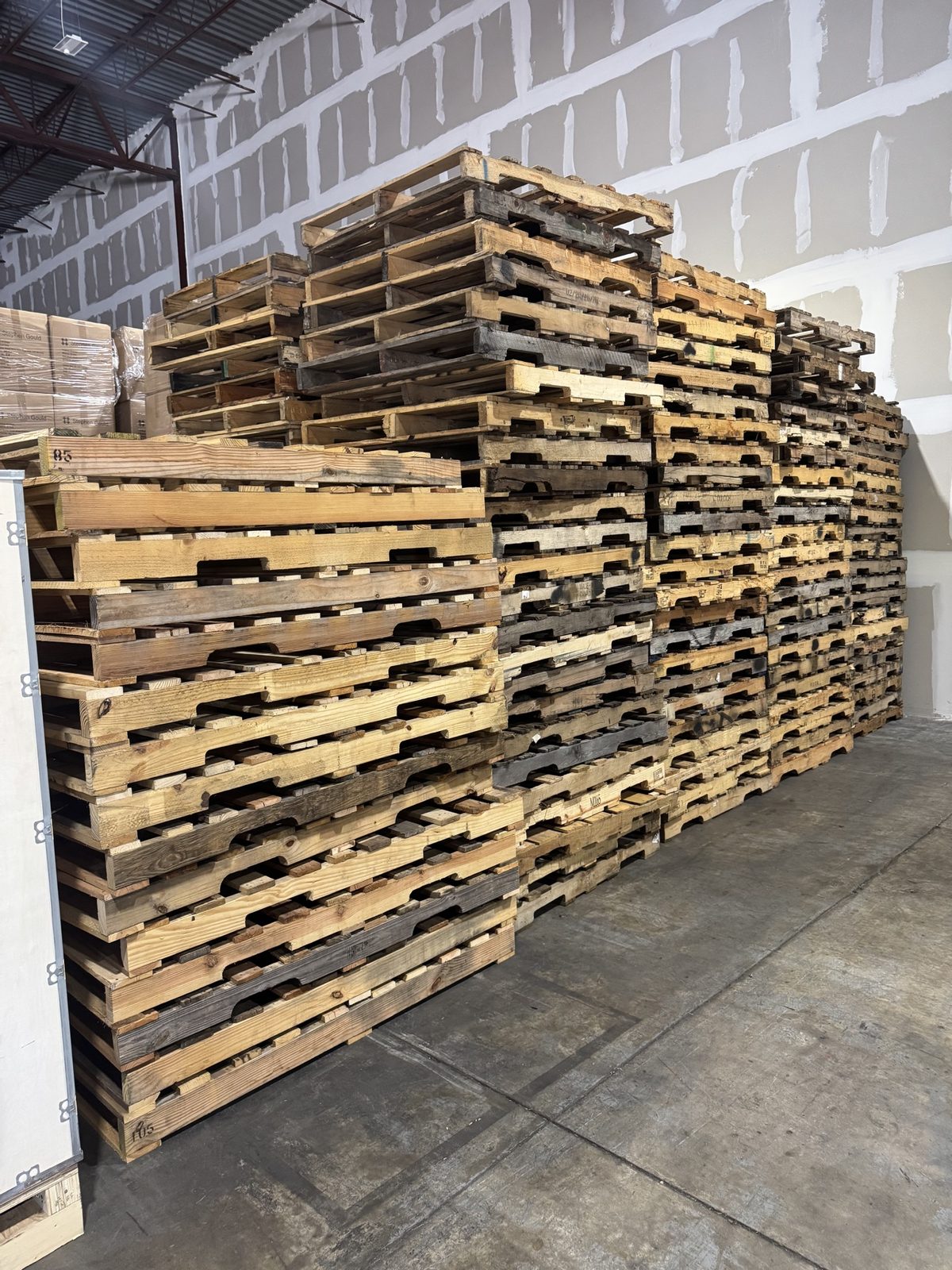
There is no single New Jersey number for a short hold, because every quote is built for one load. The warehouse’s quote for your freight is the only figure worth budgeting from, and it breaks into two parts: the storage for the time the pallets sit, and the handling for everything the crew touches.
Pallet count is the base the rest stacks on. The longer the hold, the more the base costs. A floor-loaded container that needs unloading and palletizing adds crew time a palletized load never triggers. Extra outbound work, like splitting one load across several deliveries, adds handling and scheduling. And the hold side matters too, because a hold hard against the Newark or Philadelphia gateways generally prices differently from one farther inland, with the dray folded into the same math, so have the warehouse price the whole move instead of just the pallet time.
The storage line is never the whole invoice. Before you book, get the receiving charge, the pallet-in and pallet-out handling, and any minimum in writing, or the number you compared was not the number you got.
The message that gets a quote back
A thin first message buys you a follow-up question, not a number. Send one message the warehouse can actually quote from:
- The hold side and the reason: north off Newark/Elizabeth or south off Philadelphia, tied to the freight’s next move
- Container or trailer size, and whether the freight arrives floor-loaded or already palletized
- What the product is, and the rough pallet count
- Weight and dimensions of the items, or an itemized pack list.
- How long the freight sits, and how often it moves in and out
- The outbound plan: one receiver, a split with every destination and the pallet count per destination, or a transfer to a primary 3PL
- The inbound details: gateway, arrival date, and whether the load is already inland or still needs a dray leg
- Any hazmat, reefer, or food-grade need, for the warehouse to confirm directly
Send that request straight to the warehouse itself. Answers land fast, normally within 24 hours or less. A same-day door is often open based on availability, and a next-day start is commonly doable when the warehouse sees the load coming. No confirmed window, no truck. The appointment goes in writing before anything rolls.
What happens after the warehouse says yes
Once the quote is accepted and the appointment is set, the hold itself runs in four parts.
Step 1, intake. The truck arrives in its window and the crew receives the load. Floor-loaded freight gets unloaded and built to pallets where the warehouse offers that work, so a floor-loaded arrival and a palletized arrival are two different jobs. Confirm which one you are sending before the truck leaves, not after it arrives.
Step 2, the wait. The freight sits as palletized stock for the period you agreed. Ask the warehouse how it tracks inventory on hand and how it handles partial pulls, while the load is still on the truck, not after the receiver’s date moves again. If the freight never sits at all, that is cross-dock work, not a hold, and it prices and schedules differently.
Step 3, the split. If the hold ends in several deliveries instead of one, the split scope was already in the quote: every destination, and the pallets headed to each. The warehouse may be able to line up the outbound trucks, or you can line up your own. Whether that outbound is billed by the truck or by the pallet comes down to the load and the warehouse’s own rate sheet.
Step 4, the outbound check. When ocean boxes convert to 53-foot domestic trailers, keep the trailer math honest. Three 40-foot containers into two 53-foot trailers works only for lightweight palletized freight. A loose-loaded 40-foot box built to pallets can fill two dry vans by itself. Heavy palletized freight maxes the weight limit on a dry van before it fills the cube. Treat that ratio as a warning, not a plan, and let the warehouse work out the van count against your actual freight.
Find the hold on the New Jersey map
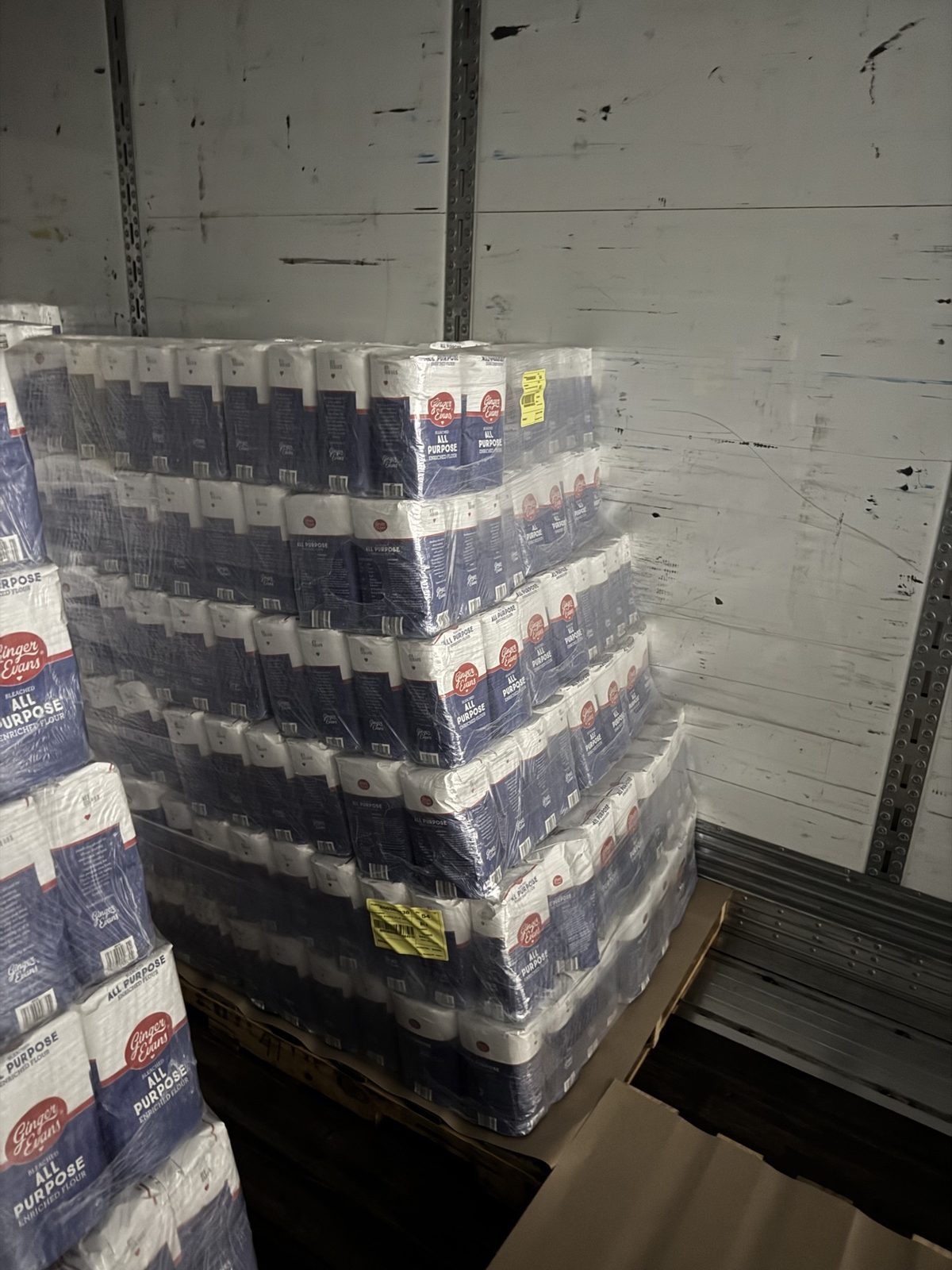
Start on the New Jersey find-a-warehouse map. Pick your side first, then compare the warehouses there on location, services offered, and how soon they can take the load. Read the listing for the storage tag, confirm the hold and the appointment with the warehouse, and send the complete request from the checklist above. This page does not pick a warehouse for you. Confirm capacity, the appointment, rates, and scope before the truck rolls.
Frequently asked questions
Hold it near the Newark/Elizabeth gateway: Secaucus, Dayton, or Branchburg, chosen by where the freight goes next. There is no warehouse inside the terminals, so “near the port” really means a workable inland dray off the box. Pick the hold city that shortens the final leg, not just the dray.
Every listing on the New Jersey map works by appointment, so the first move is a call, never a truck. A same-day door is often open based on availability, and a next-day start is commonly doable when the warehouse sees the load coming. Get the appointment window and the arrival date in writing before anything rolls.
No. Only some listings carry a short-term storage tag, and in New Jersey that is the Branchburg listing in the north and the Camden listing in the south. Other listings may still hold freight without tagging it, so read the listing and ask the warehouse directly before you plan the hold.
Holds are usually framed in days, weeks, or a few months, and you pay for the pallet positions and time actually used. Minimums and free periods are set warehouse by warehouse and rarely published, so ask for them in the first conversation. Name your planned length on the first call so an overrun is a conversation, not a surprise.
Yes, as long as the split was in the quote from the start. Give the warehouse every destination and the pallet count headed to each one before any outbound truck is booked. The warehouse may be able to line up the outbound trucks, or you can line up your own. Whether the outbound is billed by the truck or by the pallet comes down to the load and the warehouse’s own rate sheet.
Send your hold side, freight type and pallet count or container details, hold length, move frequency, outbound plan, inbound details, and any special requirements for the warehouse to confirm. Include this line exactly: Weight and dimensions of the items, or an itemized pack list. The warehouse answers as soon as possible, normally within a day. One complete message gets back a number you can book from.