The clock is already running
Your receiver just pushed the delivery date, or your regular warehouse is full and the container is already on the water. Demurrage and per-diem start ticking the moment a container sits past free time, often three to five days, at roughly $50 to $300 per day depending on the carrier. Calling around for one-off space gets you slow answers, long-term lease pitches, and nobody who states minimums or rates up front. This page is the straight version: what short-term warehouse space actually means in Massachusetts, how fast you can get freight into it, what it costs, and how to find a facility without calling ten warehouses.
What short-term warehouse space actually is
Short-term warehouse space is palletized storage on flexible terms, usually a few weeks to a few months, where the warehouse also provides the receiving labor: live unloads, breaking down floor-loaded containers or trailers, palletizing the freight, and staging it for outbound delivery. It is the middle ground between cross-docking, where freight never sits, and a long-term lease, where you rent the building and staff it yourself.
National surveys of 3PLs put average storage near $19.37 per pallet per month. No public per-pallet rate card exists for Massachusetts, so every quote there is priced per job.
How fast you can get freight in
Same-day help is often possible based on availability, and next-day is commonly doable. A Boston on-demand warehousing marketplace claims many requests get matched the same day, with lead times from a few hours up to 24 hours. Treat that as market color, not a guarantee.
What makes the difference is showing up prepared. Have your container size, load type, and delivery window ready before you call, and always confirm an appointment in advance. Warehouses run on dock schedules, so never show up unannounced.
What it costs and what drives the quote
The honest answer: no Massachusetts rate card exists for short-term pallet storage, and national averages are not MA prices. They still give you a real starting point for the conversation.
A 2026 survey of 500 U.S. 3PL providers averaged storage at $19.37 per pallet per month, pallet receiving at $8.75, and monthly minimums at $752.08. Published national guides put ambient storage roughly between $10 and $30 per pallet per month, and receiving between $5 and $20 per pallet.
When you call for a quote, have the answers to these questions ready. They are what drive your number:
- How many pallets, and are they racked or floor-stacked?
- How long will the freight sit: days, weeks, or a few months?
- Any temperature control required?
- What receiving labor is needed: live unload, palletizing floor-loaded freight, rework?
- Is there a monthly minimum?
Storage is only one line item. Ask about receiving, in and out handling, and the monthly minimum before you book.
Short-term storage, cross-docking, or a lease: which one you need
These three get mixed up in search results, so here is the plain version.
Cross-docking means freight passes straight from the inbound truck to the outbound one. Nothing sits. Short-term storage means freight sits for days or weeks with receiving labor on hand to unload, palletize, and stage it. A lease means you rent the building for months to years and staff it yourself.
One more distinction that matters for your search: consumer self-storage units in Boston average around $280 to $300 a month. Those are for household goods, not palletized freight. They have no dock, no forklift, and nobody to unload your container. If you have freight, you need a freight warehouse.
What freight fits, and what does not
The norm for short-term space is palletized ambient goods: general merchandise staged for distribution, inbound vendor shipments waiting on a full truck, overflow product your regular building cannot hold.
Hazmat and refrigerated product need verification with the facility before booking. A listing flag that says a warehouse accepts hazmat is not the same as certification, so confirm the class or temperature range the warehouse can actually handle. Most short-term freight warehouses run ambient palletized freight and arrange receiving labor to match the load.
What to have ready before you call
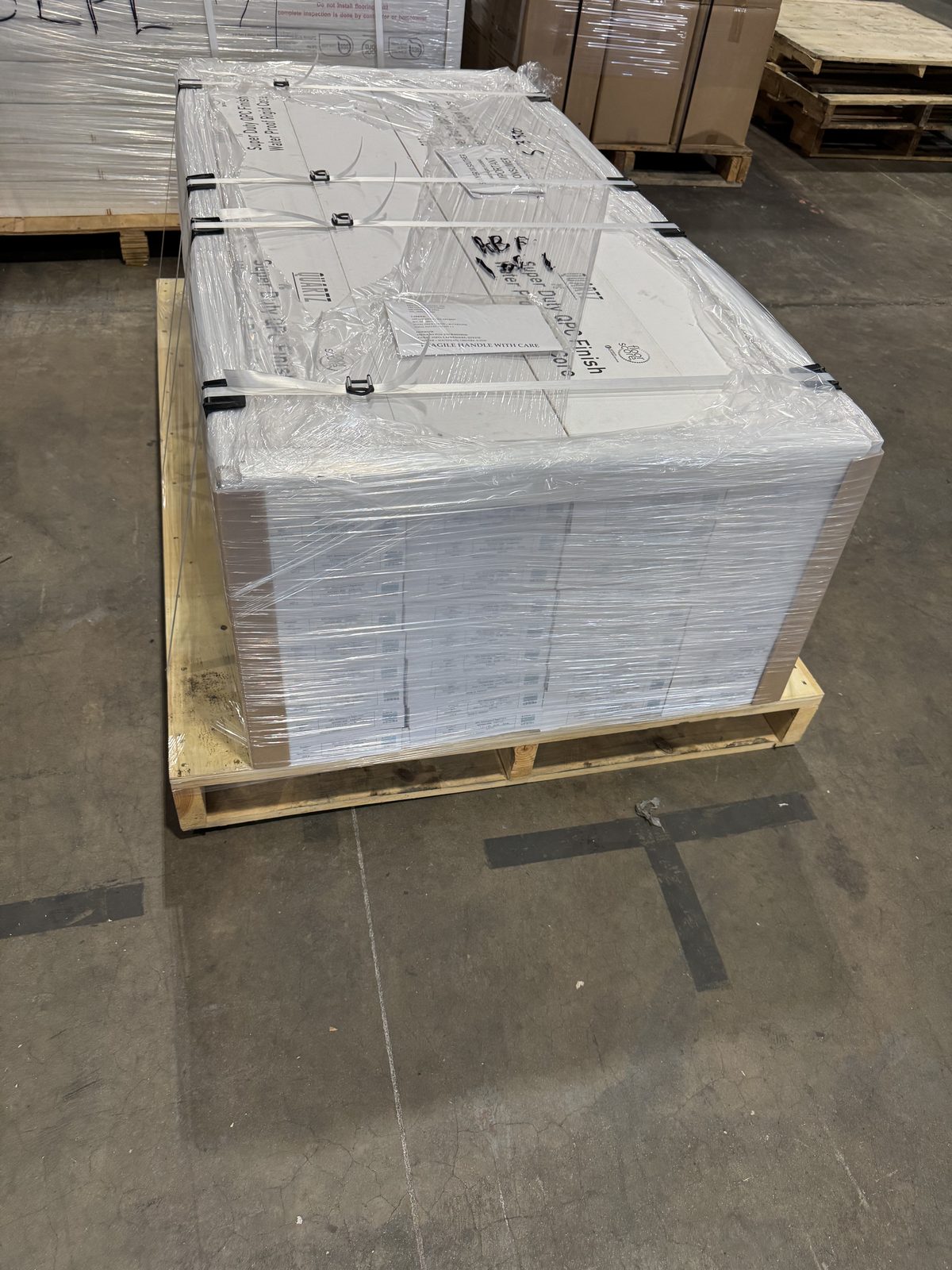
The fastest bookings happen when the first call has everything the warehouse needs to price and schedule the job. Have this ready:
- Container or trailer size (20, 40, 53, or a box truck)
- Floor-loaded or palletized, and which it is inbound
- Product type and approximate pallet count
- Delivery date and time window
- Outbound plan: hold everything, split across shipments, or deliver straight out
This checklist lines up with the transload checklist on our Transloading in Massachusetts page, which covers the unload and sort process in more detail.
Search the Massachusetts find-a-warehouse map before calling anyone, so you contact facilities near the port or corridor that fit the job.
Near Boston or out on the corridors
Two ways to think about where to look. Boston metro gives the shortest run to the port, which sits in South Boston (Conley Terminal). The I-90 and I-495 corridors, with Worcester sitting at their intersection, are the staging and distribution lane for freight headed west or down the East Coast.
If your freight is coming in by container, start near the port. If it needs to stage before distributing across New England, the corridor side makes more sense. Our Transloading in Massachusetts page has the port and corridor detail for the inbound half of the job.
How to find space without calling ten warehouses
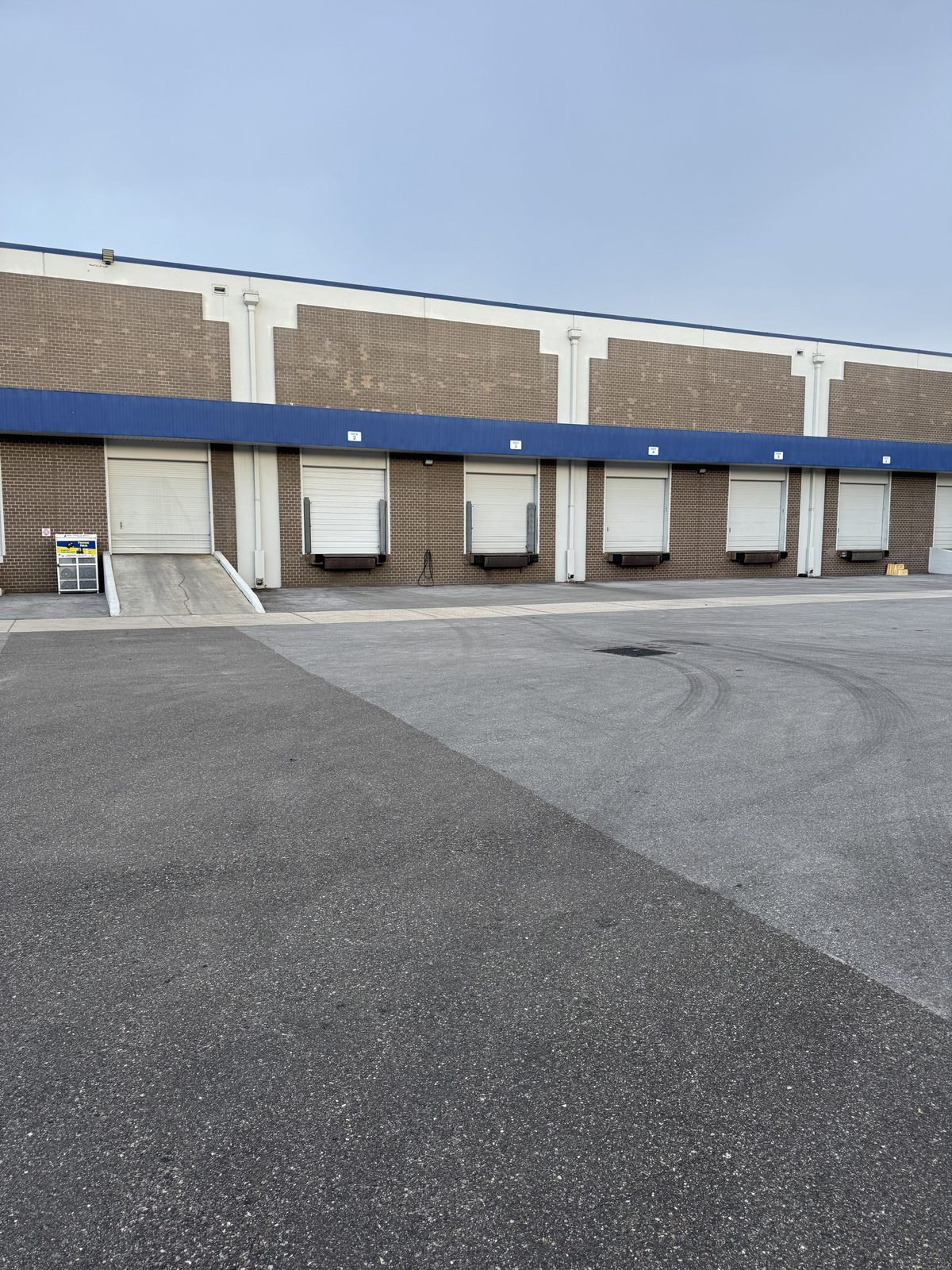
Directory first: open the Massachusetts find-a-warehouse map, filter by location, and contact the facility in advance for appointment, rates, and scope confirmation.
To see what a listing looks like, RKA Transportation Services Inc. is an example listing in South Easton. Its listing shows the services it handles, short-term storage, cross-dock freight, transloading, pallet rework, restacking, and drayage, and notes that appointments are required. Treat it as a preview of what the map gives you for any facility. Same rule everywhere: confirm the appointment, the rates, and the scope before the truck rolls.
FAQ
Same-day help is often possible based on availability, and next-day is commonly doable. The fastest route is calling with your container size, load type, and delivery window ready, and always confirming an appointment in advance. Never show up unannounced.
There is no public Massachusetts rate card. National surveys put ambient pallet storage roughly between $10 and $30 per pallet per month, with a 2026 survey average of $19.37. Storage is only one line item, so confirm the receiving fees, in and out handling, and any monthly minimum in the quote conversation before you book.
Minimums are set per warehouse and are rarely published. One Massachusetts provider advertises short-term terms as little as three months for equipment storage, but pallet minimums for freight warehouses are confirmed in the quote conversation, not on a rate sheet.
Usually, yes. Unloading floor-loaded containers and trailers is standard receiving work at short-term warehouses. Transloading with staging or cross-dock is covered in detail on our Transloading in Massachusetts page.
Palletized ambient goods are the norm. Hazmat and refrigerated product need facility verification: a listing flag does not confirm certification, so confirm the class or temperature range the warehouse can actually accept before booking.
Cross-docking means freight passes straight from the inbound truck to the outbound one with no storage. Short-term storage means freight sits for days or weeks with receiving labor on hand. A lease means you rent the building and staff it yourself.
Ready to look? Search Massachusetts warehouses on the map and contact the facility in advance for appointment, rates, and scope confirmation.