Dallas is one of the top logistics and distribution hubs in the United States, making it an ideal location for cross docking operations. As a major inland port city, Dallas acts as a central consolidation and transfer point for freight moving across the country. With its extensive transportation infrastructure, large pool of skilled labor, and business-friendly tax policies, Dallas has become a magnet for companies specializing in cross docking services.
What is Cross Docking?
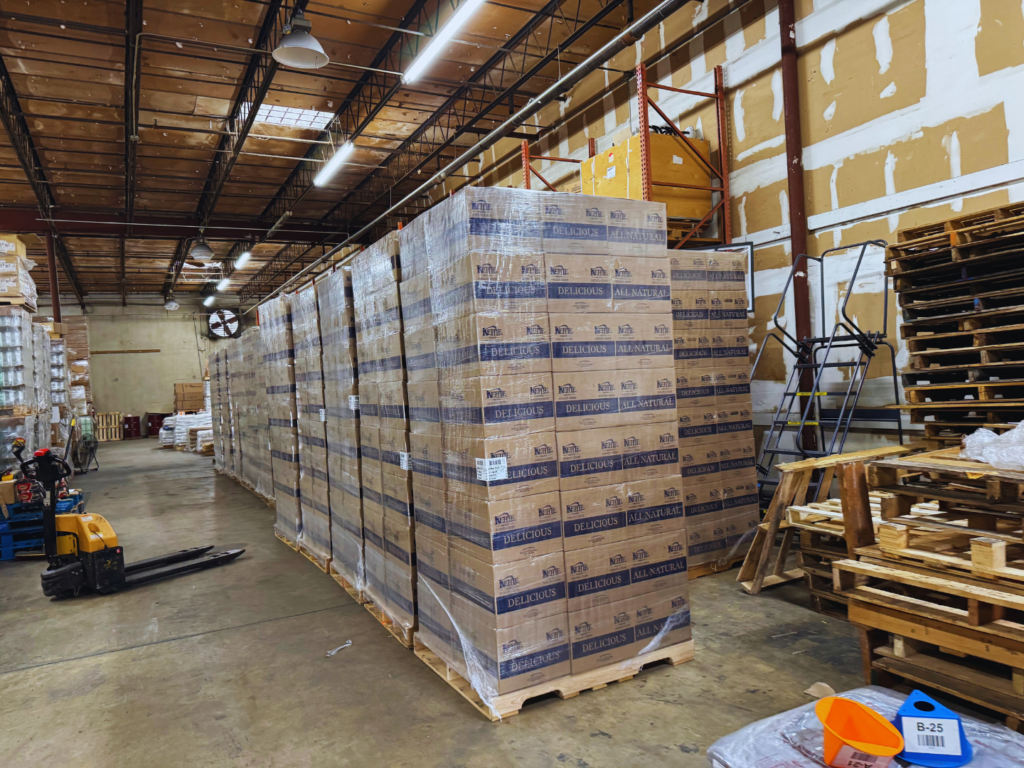
Cross docking refers to a supply chain management practice whereby items are transferred directly from an incoming semi-trailer truck to an outgoing truck, without extra storage in between. Goods spend minimal time at the cross dock facility—usually less than 24 hours. This accelerated processing improves efficiency and reduces handling costs.
Benefits of Cross Docking in Dallas, TX
There are several key advantages to cross docking:
- Reduced transportation costs because items do not sit in storage
- Faster delivery times and improved customer service
- Leaner supply chain with lower inventory carrying costs
- Flexibility to handle fluctuating customer demand
- Ability to consolidate LTL (less than truckload) shipments into fuller FTL (full truckload) shipments
Essentially, products flow through cross docking warehouses faster, so you save on time and money. This speed and efficiency is the main appeal for companies.
Key Cross Docking Services in Dallas
When evaluating cross docking providers in the Dallas area, look for the following services:
- Inbound truck unloading and outbound truck loading
- LTL and FTL freight consolidation
- Just-in-time distribution services
- Quality control inspections and repacking as needed
- Real-time inventory tracking with EDI and WMS software
- Value-added services like labeling, kit assembly, returns processing
Reliable companies have flexible operating hours to handle arriving trucks and can scale up staffing as your volumes fluctuate. They adhere to high safety standards and have security protocols to prevent theft. The facility infrastructure is also optimized for cross docking operations, with enough docks and equipment like forklifts to transfer loads quickly.
Choosing the Right Location in Dallas
With its nexus of interstate highways, railroads, and airports, Dallas offers many sites suitable for cross docking activities. Facilities are clustered around inland ports including:
- Dallas Inland Port, Dallas Logistics Hub
Located just south of downtown Dallas, this growing logistics park has over 6,000 acres master-planned for industrial development. It already houses major distribution centers and cross docks taking advantage of rail infrastructure and interstates 45, 20, and 35.
- Alliance Texas
This 18,000 acre multimodal logistics hub has BNSF Railway intermodal yards, Fort Worth Alliance Airport, and land ready for 30 million square feet of new warehouses. Major companies like Amazon, Kubota, and UPS base supply chain operations here.
- South Dallas Inland Port
Situated near Interstates 20, 35, and 45, this inland port features cross dock ready warehouses and sitting on 200 acres. It has plans to expand the Union Pacific and BNSF railway infrastructure.
- Lancaster Logistics Center
Greenville Logistics Center – These newer logistics parks in southern Dallas provide modern warehouses optimized for cross docking and convenient highway access.
Beyond real estate location, it’s vital to partner with an experienced third-party logistics (3PL) provider for your actual cross docking operations. Leading companies in the Dallas area offer flexible services scaled to your needs, robust warehouse management systems (WMS) for visibility, and value-added services to improve shipping times.
Optimizing Your Supply Chain with Cross Docking
Implementing cross docking can greatly reduce costs and inventory challenges in your supply chain:
- Receive goods from vendors and immediately disperse to retail outlets just as needed, eliminating storage needs. This save heavily on warehouse expenses.
- Consolidate smaller LTL shipments with other customers’ freight into fuller FTL truckloads going to same destinations. This reduces transportation expenses through better economies of scale.
- Transit times are much faster so you can operate on a just-in-time basis, carrying minimal stock. Working capital needs are lower as high-velocity inventory turns faster.
- Gain flexibility to handle surges or dips in customer demand without expanding fixed infrastructure. Only pay for services needed during market fluctuations.
While cross docking levels complexity, an adaptable 3PL partner makes the model work seamlessly. Product forward movement with speed and visibility.
Find the Right Warehouse Partner
If you’re looking to optimize supply chain networks with cross docking in Dallas, Transload Now can help. Click here to find a warehouse that offers cross docking services today. Get instant access to detailed profiles in dozens of warehouses across the region.