Boston is one of the busiest ports on the East Coast and a major hub for importing and exporting goods. With its strategic location and connectivity to rail and interstates, many companies use cross docking services in Boston to efficiently distribute their products. This article provides an overview of cross docking and how to find the best provider for your needs in the Boston area.
What is Cross Docking?
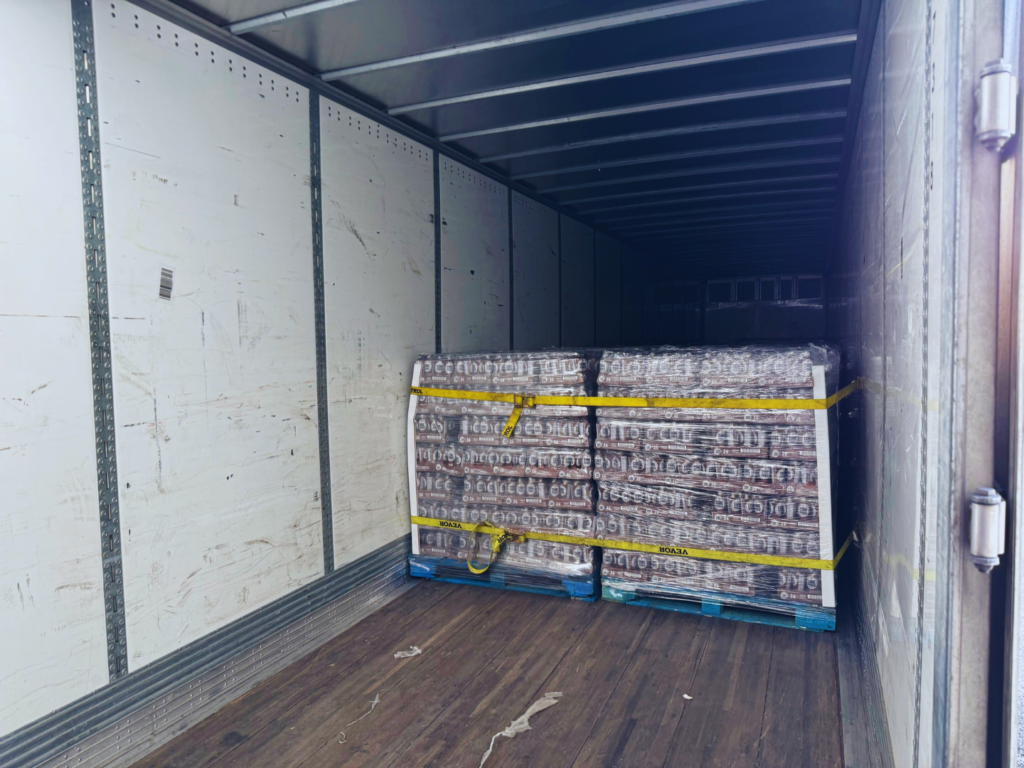
Cross docking is a logistics technique that streamlines the flow of goods from manufacturers to customers. Instead of storing goods in a warehouse, items are transferred directly from an incoming semi-truck to an outgoing one with minimal handling in between. This reduces storage costs and delivery times.
In cross docking, items typically spend less than 24 hours at the facility. The goal is to consolidate shipments, break down bulk deliveries into smaller orders, and route items to their final destinations quickly. This supply chain efficiency allows businesses to enhance their customer service and responsiveness.
Benefits of Cross Docking Services
There are many advantages to using a cross dock terminal over a traditional distribution center or warehouse space:
- Reduced Labor and Storage Costs: Since minimal material handling and storage occurs, operating costs are lower.
- Faster Order Fulfillment: Products can be received, processed, and shipped in less than a day to reach customers quicker.
- Lean Inventory Management: Limited space is needed so less inventory has to be kept on hand.
- Flexibility: Cross docking can handle a high volume of diverse products. The layout can adapt based on changing business needs.
Why Boston is an Ideal Location
The Port of Boston provides excellent infrastructure and location for efficient cross docking operations. Some key advantages include:
- Cargo Tonnage: The Port of Boston handled over 12 million tons of cargo in 2021. It has capacity for significant import and export volume.
- Intermodal Connections: The Conley Terminal offers rail service and access to major highways, enabling convenient transportation of loaded and empty containers.
- Foreign Trade Zone: Businesses can reduce costs through deferring, reducing, or eliminating customs duties by using the port’s FTZ.
- Distribution Access: Two major interstates, I-90 and I-93, connect the port’s marine terminals to New England markets.
How Transload Now Can Help Find Cross Docking Warehouses
If you need warehousing, distribution, or cross docking space anywhere in the U.S., Transload Now makes it easy to find and compare facilities. Their online platform lists available warehouses with details like sizes, descriptions, and contact details.
Users can set filters to locate cross docking terminals near specific zip codes or cities. With a list of trusted partners, Transload Now reduces search time so you can efficiently connect with the right facility.
Ready to Find a Cross Docking Warehouse?
Boston is one of the best locations on the East Coast for cross docking operations thanks to its cargo volume, transportation infrastructure, and proximity to major markets. There are several excellent providers in the metro area that offer swift delivery solutions.
When you need warehousing or distribution space for your business, Transload Now provides an efficient way to identify available facilities that meet your requirements. Just click the button below to find a warehouse near you and get connected today!