Your container lands at Port Tampa Bay and the clock starts. The receiver has no dock space, or no crew to unload, and every day the box sits it accrues per-diem charges that escalate in tiers. Transloading is the standard fix: a nearby warehouse pulls the container from the port, unloads it, palletizes the freight, and either stages it or reloads it onto domestic trailers. Florida containers come through several gateways, including PortMiami, Port Everglades, JAXPORT, Port Tampa Bay, SeaPort Manatee, and the Port of Palm Beach. This guide uses Tampa as its example, where container volumes have grown more than 300 percent since 2018. You bring the box. This guide covers what a transload actually includes, what to have ready before you ask for a quote, and how to find a Tampa warehouse that can take the load.
The situation this guide is for
You have an inbound container heading to Florida and nowhere lined up to break it down. Maybe the receiver rejected it, maybe the load was booked to a facility that cannot take 40-footers, or maybe you need the freight palletized and split across several Florida deliveries. This guide uses Port Tampa Bay as its example. It is the state's largest seaport by tonnage and land area, handling 32 million tons of cargo and nearly 263,000 TEUs in fiscal year 2025. The warehouses that do this work sit minutes from the terminals, which is the whole point: the shorter the dray, the less time and money you burn getting the box from the port to the dock door.
Why Tampa is the example here
Port Tampa Bay is not just Florida's biggest seaport by tonnage. Its container terminal is expanding to 100 acres, with six post-Panamax cranes expected operational by the end of 2026 and a long-term target of 1 million TEU in annual capacity. The expansion includes a third deep-water berth (Berth 214) and an on-dock, rail-served transload facility. That growth is why transload capacity keeps clustering here: the freight is coming through Tampa, and the warehouses follow.
The warehouse corridor makes the geography work. Tampa's industrial belt runs along I-4, I-75, the Lee Roy Selmon Expressway, and Adamo Drive (SR 60), with East Tampa warehouses roughly 5 miles and 12 minutes from the port. From there, the I-4 corridor runs east to the Lakeland and Polk County distribution cluster, the region's major warehousing belt. For a transload in Tampa, the practical result is a short, predictable dray from terminal to warehouse instead of a long haul before the real work even starts.
What a transload actually includes
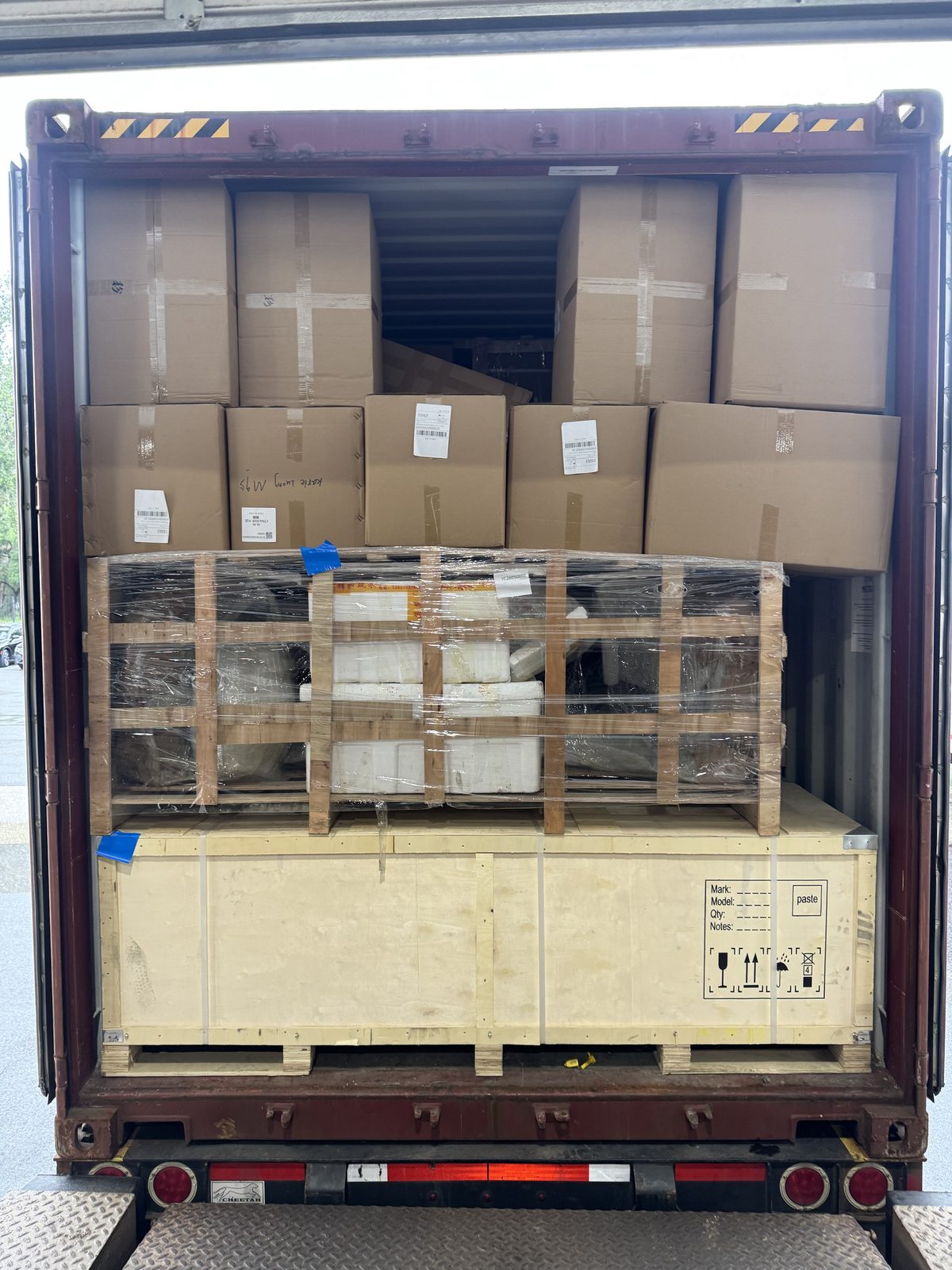
Here is what happens between "the container is at the port" and "the freight is ready to go":
- Drayage. A truck pulls the container from Port Tampa Bay to the warehouse. Either the warehouse arranges this or your own carrier does. Decide who has it when you get the quote, so nobody assumes the other side covered it.
- Unload. The container is unloaded live, with the trailer waiting, or dropped at the warehouse for a scheduled unload. A floor-loaded 40 typically takes about two hours; a palletized container takes under one hour.
- Palletize and sort. Floor-loaded freight is put on pallets, sorted by SKU, and stretch-wrapped. Containers with many SKUs can add one to two hours of sort time.
- Stage or reload. The palletized freight goes into short-term storage for staging, or gets reloaded onto domestic trailers for final delivery, split across as many drops as you need.
The definition is simple: transloading is unloading the container and reloading the freight onto domestic trailers or into warehouse storage. Cross-docking is the leaner cousin. Freight stays on pallets, never breaks down, and turns in hours. Transloading takes the container apart, palletizes what was floor-loaded, and often stages it for days.
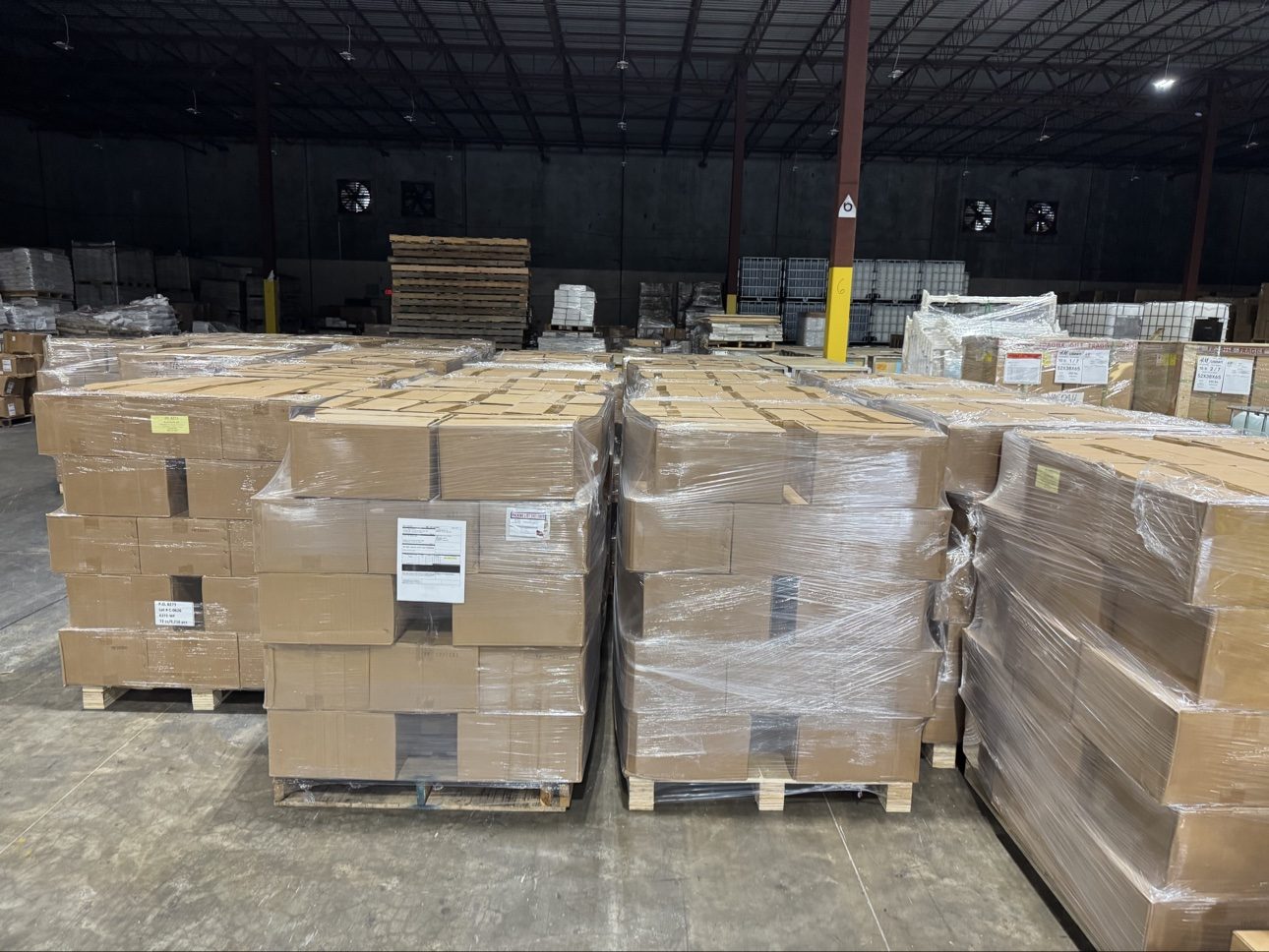
If your box arrives floor-loaded, you are buying a transload, not a cross-dock.
What to have ready when you request a quote
Warehouses quote faster and firmer when you bring the details up front. Before you ask for a quote on a transload in Tampa, have these ready:
- Container number and size (20-foot or 40-foot)
- Floor-loaded or palletized
- SKU count and estimated pallet count
- Weight and dimensions of the items, or an itemized pack list
- Arrival window at the port
- What you need done: unload only, palletize and wrap, stage it, or reload onto outbound trailers
Contact the warehouse in advance for appointment, rates, and scope confirmation, and never show up unannounced. Appointments are required, so get on the calendar the moment you know the box is coming.
What it costs in Tampa
There is no public rate card for transloads in Tampa. Every quote is per-job, and warehouses will not pin a number down until they know what they are unloading. What drives the number: whether the container is floor-loaded or palletized, the pallet count, whether any rework or restacking is needed, how fast you need it turned, and how many days of storage you need. The unload rate and the storage rate are separate line items, so ask about both.
Timing, same-day help, and staging
The physical work is fast. Once the box is at the warehouse door, plan on the unload times above, plus sort time for a high SKU count. Total turnaround depends on the palletizing, wrapping, and your delivery appointments, so ask for a realistic completion window when you book, not just the unload time.
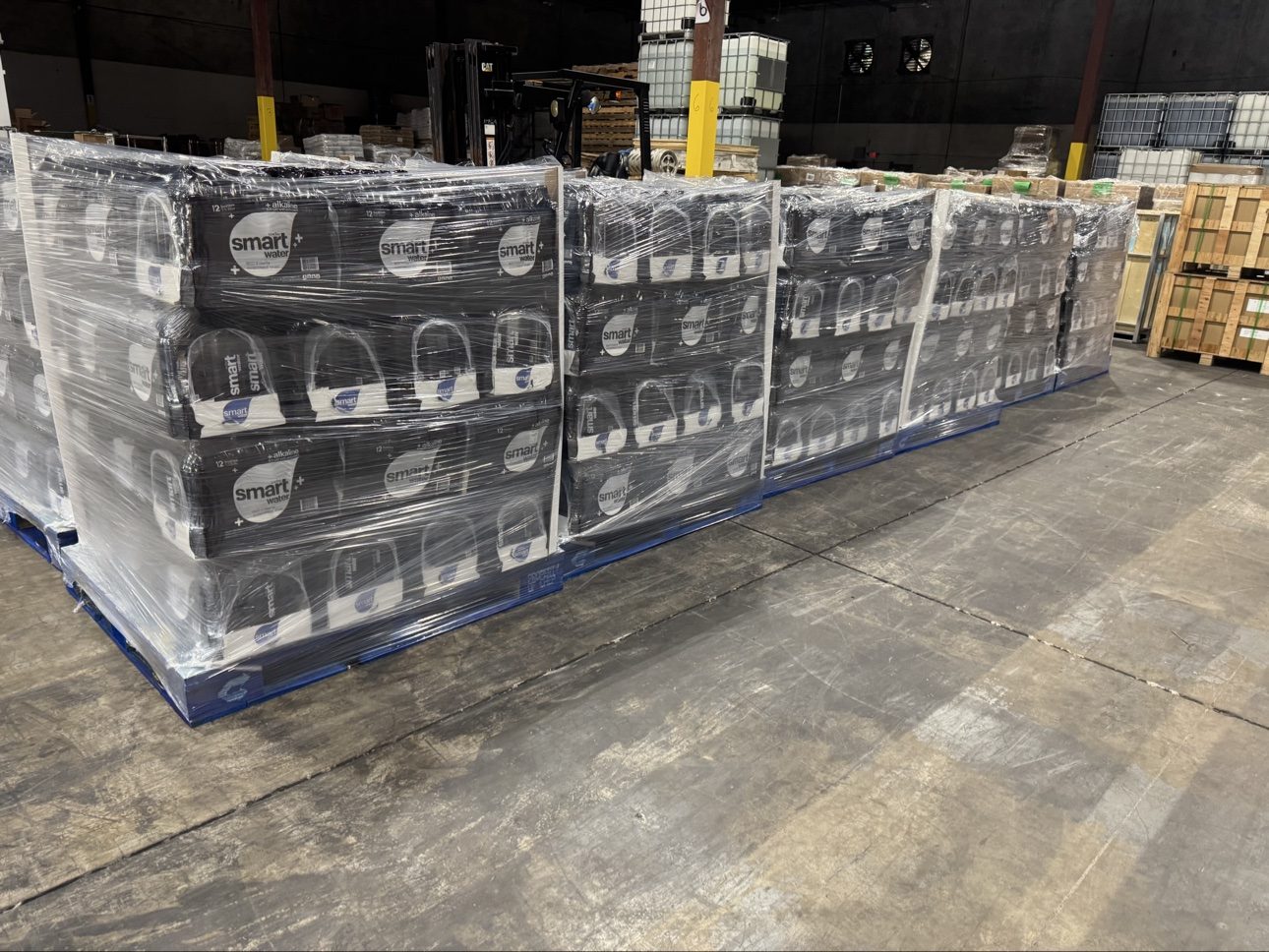
Same-day help is often possible based on availability, and next-day is commonly doable. Treat that as conditional, not a promise, and get your appointment on the books as early as you can. If you need the freight held before it ships out, check the warehouse listing for short-term and long-term storage when you book; the unload rate and the storage rate are separate line items.
A Tampa example on the directory
TransloadNow lists transload warehouses across Florida. The Tampa example on the directory is Warehousing Etc Inc, which offers transloading, cross-dock freight, restack truckloads, pallet reworking, short-term and long-term storage, and drayage, with appointments required. One listing does not tell you which warehouse fits your load, so search the map and compare. Every warehouse lists its own services and requirements. Match those against your container before you contact anyone.
Frequently asked questions
Transloading means unloading the container and reloading the freight onto domestic trailers or into warehouse storage. Cross-docking keeps the freight moving on pallets and turns it in hours, while transloading usually involves breaking the container down, palletizing floor-loaded freight, and often staging it for days.
Have these ready: the container number and size (20-foot or 40-foot), whether it is floor-loaded or palletized, the SKU count and estimated pallet count, the weight and dimensions of the items or an itemized pack list, the arrival window, and what you need done: unload only, palletize and wrap, stage it, or reload onto outbound trailers. The more of this you bring, the faster the quote.
Either side can arrange it. Your own drayage carrier can pull the container from the port to the warehouse, or the warehouse can handle the drayage if its listing includes it. Settle this when you get the quote so nobody assumes the other side has it covered.
The physical unload is fast: a floor-loaded 40-foot container typically takes about two hours and a palletized container under one, plus more time if there are many SKUs to sort. The total turnaround depends on palletizing, wrapping, and your delivery appointments, so ask for a realistic completion window when you book.
There is no published rate card for Tampa transloads. Every quote is per-job, and the number moves with whether the container is floor-loaded or palletized, the pallet count, any rework or restacking, how fast you need it turned, and how many days you need storage.
Yes. If the warehouse listing includes short-term or long-term storage, staging between the unload and final delivery is normal. Confirm storage terms and rates when you book, because the unload rate and the storage rate are separate line items.
Find your Florida warehouse
Your container is coming whether you are ready or not. Find a warehouse in Florida on the TransloadNow map, compare the listings, and contact one in advance for appointment, rates, and scope confirmation.
Related guides: pallet restacking in Florida.