
A Tampa importer waits on a box that just came off a ship at Port Tampa Bay, and the receiver down the line cannot take a full ocean container at its dock. That gap is where a Tampa warehouse earns its keep: the box comes in, the freight comes out onto pallets, and the pallets go where the receiver can actually accept them. Port Tampa Bay is Florida’s largest and most diversified seaport, it handled 32 million tons of cargo in fiscal year 2025, and its container volume has grown more than 300 percent since 2018 to nearly 263,000 TEUs in fiscal year 2025. Six post-Panamax cranes are expected to be operational by the end of 2026, and the port keeps expanding, so the Tampa unload question is only getting more common. For the wider picture of moving freight through Florida warehouses, see our guide to transloading in Florida.
Start on the Florida find-a-warehouse map, and pick a warehouse near the port, then settle the decision in the next section before anyone dispatches a truck.
Decide live unload or drop before the truck rolls
This choice comes first because it sets the appointment, the crew, and the charges that follow the box around. In a live unload the driver stays at the dock while the crew empties the container, which avoids a drop charge but only works when the dock, the crew, and the appointment line up with the truck’s arrival. In a drop the carrier leaves the box at the warehouse and comes back for it later, which gives the warehouse room to schedule the work but adds a drop charge and keeps chassis and per diem exposure running while the box waits.
Pick live when the warehouse has confirmed a time, the crew is staffed for your load type, and the receiver side of the job can flex if the truck runs late. Pick a drop when the warehouse needs staging time before it can start, or when the arrival window is too loose to hold a dock and a crew for. Either way, agree the plan with the warehouse and the carrier in the same conversation, because a truck that shows up expecting one arrangement and finds the other burns the day and the free time together.
Getting the box released at Port Tampa Bay, then the short run east
No carrier can collect a box the port has not released, and release terms, gate hours, and port charges shift over time. Check the current requirements with your drayage carrier before dispatch, and get the paperwork settled first so the truck does not make a wasted trip to the gate. Your carrier can confirm what is owed and what is still outstanding on your specific box, which beats guessing from a general guide.
Once the box is released, the run to the warehouse is the reason Tampa shippers devan near the port instead of hauling the box inland first. Warehouses in East Tampa sit roughly 5 miles and 12 minutes from the port terminals, along I-4, I-75, and Adamo Drive. That short dray keeps the driver close to the port, keeps the box off a long inland haul, and leaves more of the day for the unload itself.
Floor-loaded 40s are the capability question to ask out loud
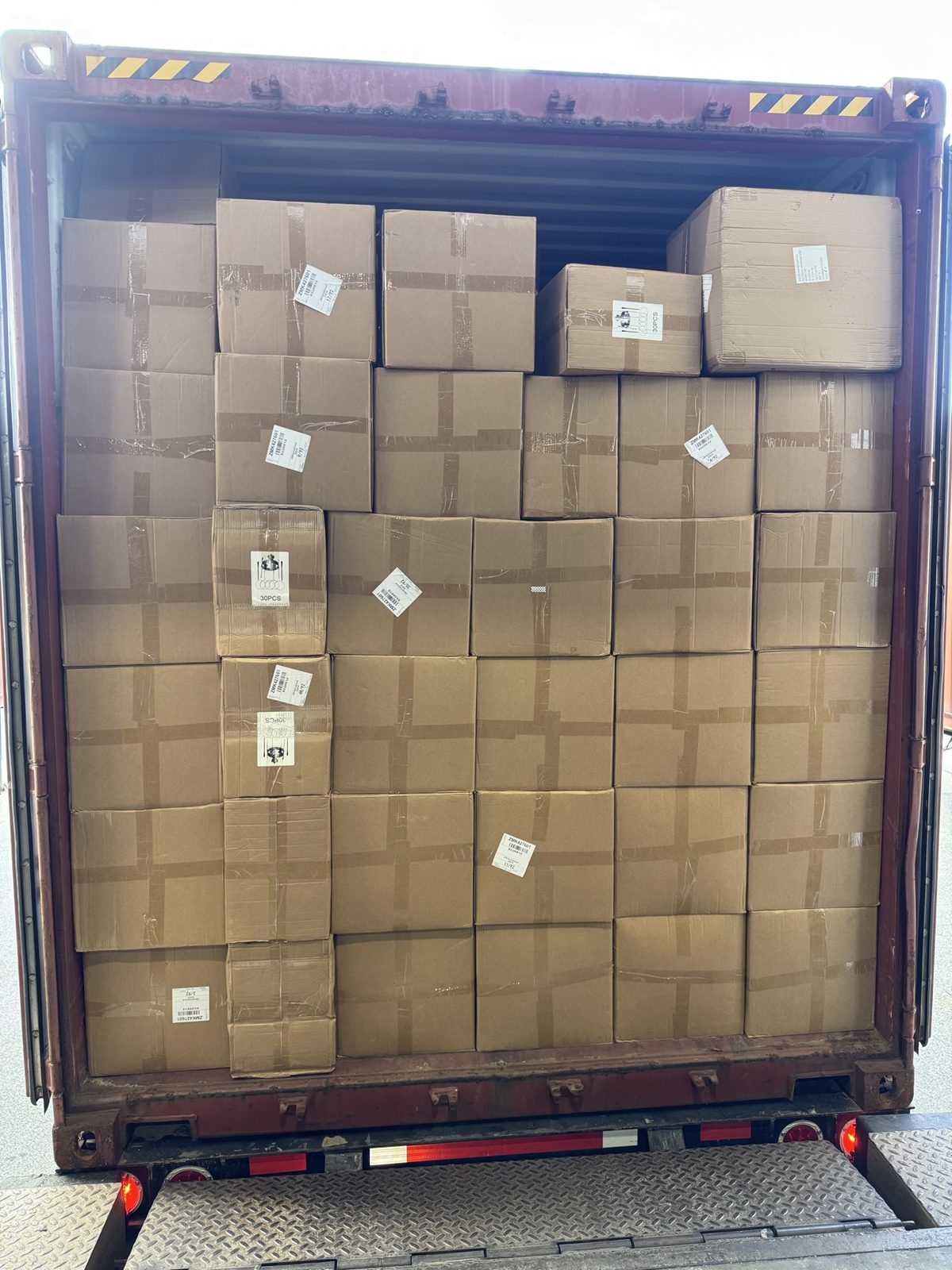
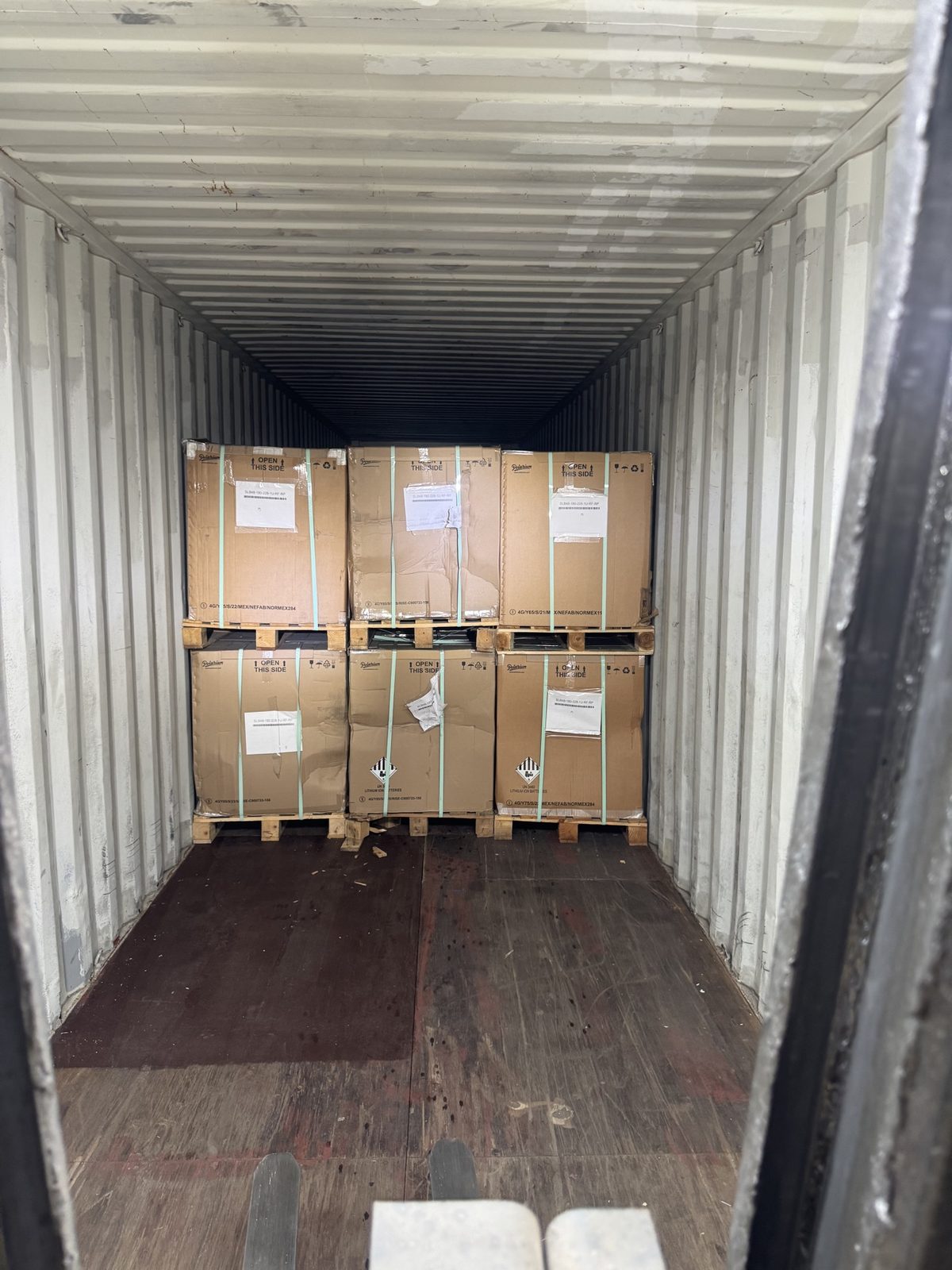
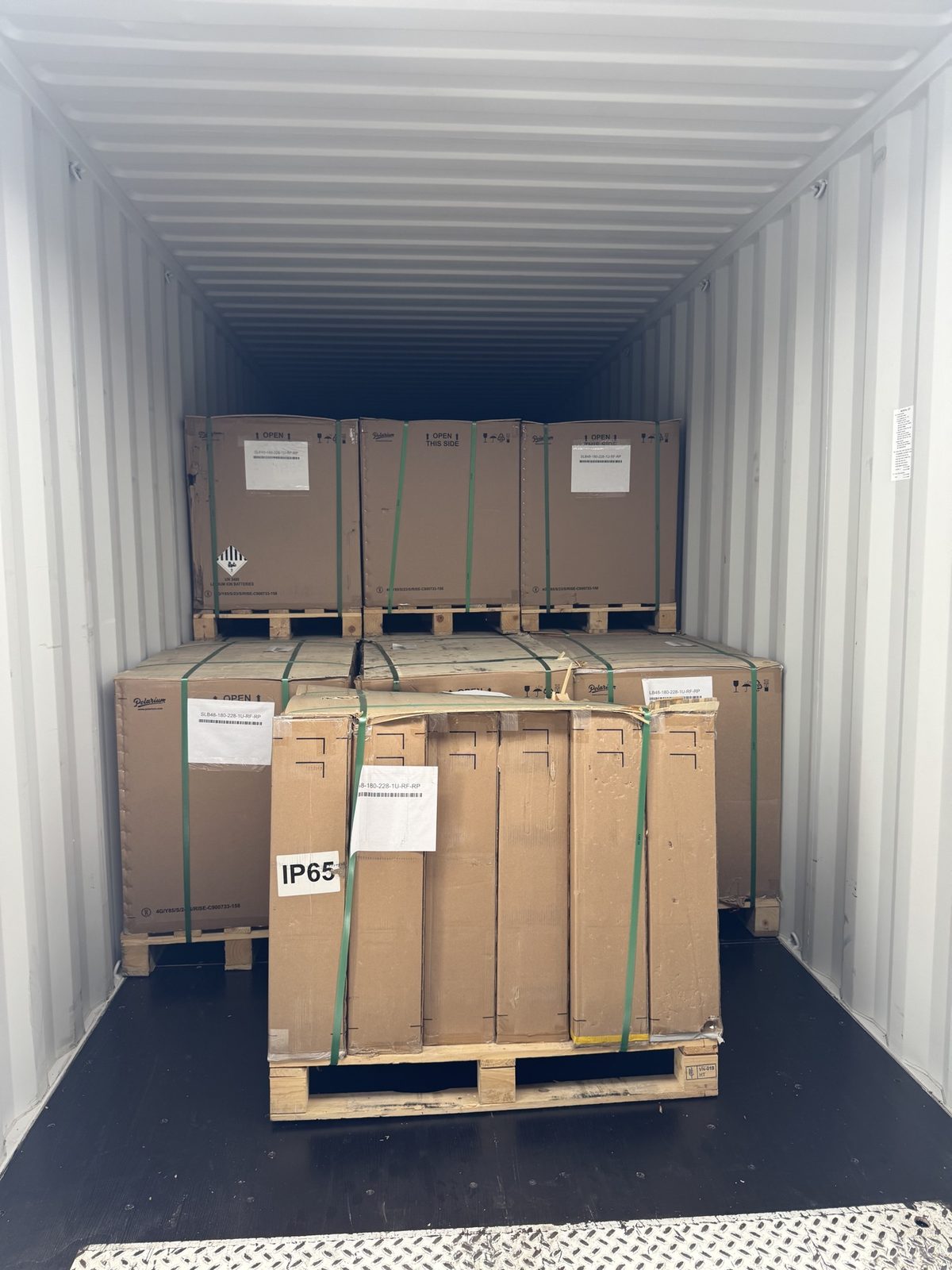
Some warehouses take containers. Fewer take every kind of container, and the difference that matters most in Tampa is whether the crew devans floor-loaded 40s. Floor-loaded freight arrives stacked loose on the container floor, so the crew carries it out piece by piece and builds it onto pallets by hand. Palletized freight comes out by forklift and moves much faster. A floor-loaded 40 typically takes about two hours to unload, a palletized container takes under one hour, and a container with a high SKU count can add one to two hours of sort time on top of the unload.
Ask the warehouse directly whether it devans floor-loaded 40s, and put your load type in the first line of your quote request. A warehouse that only handles palletized boxes is not a bad warehouse, it is simply the wrong warehouse for a floor-loaded box, and finding that out after the truck arrives costs a day you may not have. Oversized or heavy freight is a separate question again, so raise weight and size early and let the warehouse confirm it can take the load.
What shapes the warehouse’s cost on a Tampa unload
No Tampa rate card is printed on this page, because a number quoted without your load details would mislead you. The warehouse’s cost moves with the size of the box, whether the freight is floor-loaded or palletized, how many pallets come out of it, how many SKUs need sorting, how heavy the freight is, whether it needs wrapping or labeling, how fast you need the turn, and how many days the pallets sit staged after the unload. A two hour hand unload with a long sort is a different job from a forklift unload that clears in under an hour, and the quote should reflect that difference.
The dray is priced separately from the unload, so ask your carrier to itemize it. A drayage quote commonly breaks into a base haul, a fuel surcharge, chassis days, pre-pull or yard storage, port and terminal fees, demurrage, detention or per diem, waiting time, and dry-run fees. Lining those items up side by side is how you compare two dray quotes fairly instead of comparing two totals built from different pieces.
Outbound truck math deserves the same caution. Three 40 foot boxes into two 53 foot trailers only holds for lightweight palletized freight, a loose-loaded 40 built to pallets can fill two dry vans on its own, and heavy palletized freight weighs a dry van out before it cubes out. Do not book outbound trailers off a ratio. Send the pallet count and the weight and let the warehouse work out the trailers for your actual load.
When the receiver turns the load away or cannot take the whole box
A refused load turns the per diem clock into the most expensive line on the job, so speed matters more than shopping the quote at that point. A Tampa warehouse can transload the box into staged pallets, hold the freight near the customer while the receiver situation gets sorted, or split one container across several deliveries so each receiver takes only what it can accept. Split delivery is handled by all listed warehouses, but the shipper must explain the full scope up front, meaning every destination and how many pallets go to each one. The warehouse may arrange the outbound trucks, or the shipper may arrange its own trucks, and the extra outbound is priced per truckload or per pallet depending on the load details and the warehouse’s rate structure.
The wider transload and rework options for a refused or partial load are covered in our transloading in Florida guide. Whatever path you take, tell the warehouse the receiver story in the first message, not after the box is already at its dock, because the fix the warehouse plans depends on why the load was refused.
The quote checklist: send this and get a usable answer
Send your request directly to the warehouse you pick from the map, with the full job in the first message, and expect a direct reply from the warehouse, usually within 24 hours or less. Appointment rules vary by warehouse, and same-day help is often possible based on availability while next-day is commonly doable, so ask about timing in that same first message rather than assuming a slot is open. Reach out ahead of time and agree a time. An unannounced truck at a dock that is not expecting it is not a plan.
- Box size, 20 or 40, and whether the freight inside is floor-loaded or palletized.
- Rough pallet count and SKU count, plus whether anything is heavy or oversized.
- Weight and dimensions of the items, or an itemized pack list.
- Arrival timing and how urgent the turn is, including whether the per diem clock is already running.
- What happens after the unload: staged for pickup, held short term, split to several destinations, or reloaded to outbound trailers.
- Receiver limits, such as dock appointments, pallet specs, or a refusal to accept full containers.
With that packet, a warehouse can say yes or no quickly and quote the actual job instead of asking three rounds of follow-up questions while the box sits.
Find a Tampa warehouse on the Florida map
Use the Florida find-a-warehouse map to compare warehouses near Port Tampa Bay, then confirm with the warehouse directly that it devans your load type, has an appointment that fits your arrival, and can handle the outbound plan you need. No single warehouse is featured on this page, so the choice and the confirmation are yours to make before the truck rolls.
Search Florida warehouses on the map and find one that unloads containers near Port Tampa Bay.
Container Unloading in Tampa: FAQ
Decide live unload or drop with the warehouse and the carrier before dispatch, and confirm the box is released and the current port requirements are met. Then the truck runs the short dray to an East Tampa warehouse, the crew empties the box, palletizes floor-loaded freight, checks count and condition, and stages the pallets for pickup or reload to outbound trailers.
Ask that exact question before you book, and put the load type in the first line of your quote request. A floor-loaded 40 typically takes about two hours to unload by hand, a palletized container takes under one hour, and high SKU counts can add one to two hours of sort time, so the warehouse needs to staff the job around your load type rather than a generic container.
The warehouse’s cost moves with box size, floor-loaded or palletized handling, pallet and SKU counts, weight, wrapping or labeling needs, turnaround speed, and staging days after the unload. The dray is a separate quote, so ask the carrier to itemize the base haul, fuel surcharge, chassis days, pre-pull or yard storage, port and terminal fees, demurrage, detention or per diem, waiting time, and dry-run fees.
Yes. All listed warehouses handle split delivery, but you must explain the full scope when you first contact the warehouse, meaning every destination and the pallets for each one. The warehouse may arrange the outbound trucks or you may arrange your own, and the extra outbound is priced per truckload or per pallet depending on the load details and the warehouse’s rate structure.
Box size and load type, rough pallet and SKU counts, weight and dimensions of the items, or an itemized pack list, arrival timing and urgency, what happens after the unload, and receiver limits such as dock appointments or pallet specs. Send that packet directly to the warehouse you pick from the map and expect a direct reply, usually within 24 hours or less. Same-day help is often possible based on availability and next-day is commonly doable, but agree an appointment ahead of time and do not send a truck unannounced.
Search Florida warehouses on the map and find one that unloads containers near Port Tampa Bay.