Your container is headed through Los Angeles or Long Beach, and the receiver has no dock crew, equipment, or space to unload it. That is the problem this page is for. A floor-loaded container does not unload itself, and every day it sits waiting is a day closer to the end of free time.
Container unloading, also called devanning, is removing cargo from an ocean container and placing it on pallets or a warehouse floor for storage or onward shipment. In 2025 the Port of Los Angeles alone handled 10.2 million container units, so warehouses near Los Angeles and Long Beach unload floor-loaded and palletized containers every day for shippers who need the freight turned around before free time runs out.
Your container is coming through San Pedro Bay. You need it unloaded, not stored at the terminal.
Los Angeles and Long Beach sit at the center of the San Pedro Bay complex, the largest port complex in the United States. Freight moves inland from the ports on the Alameda Corridor, a 20-mile freight rail expressway linking the port cluster to transcontinental rail terminals near downtown Los Angeles, and on connecting freeways including I-710.
No single warehouse is featured here. This page covers what to tell the warehouse and what drives cost, then points you to the California map to find a warehouse near the ports that can take your load.
Floor-loaded or palletized: the load type changes the whole unload
How the cargo was loaded changes the labor, the time, and the equipment.
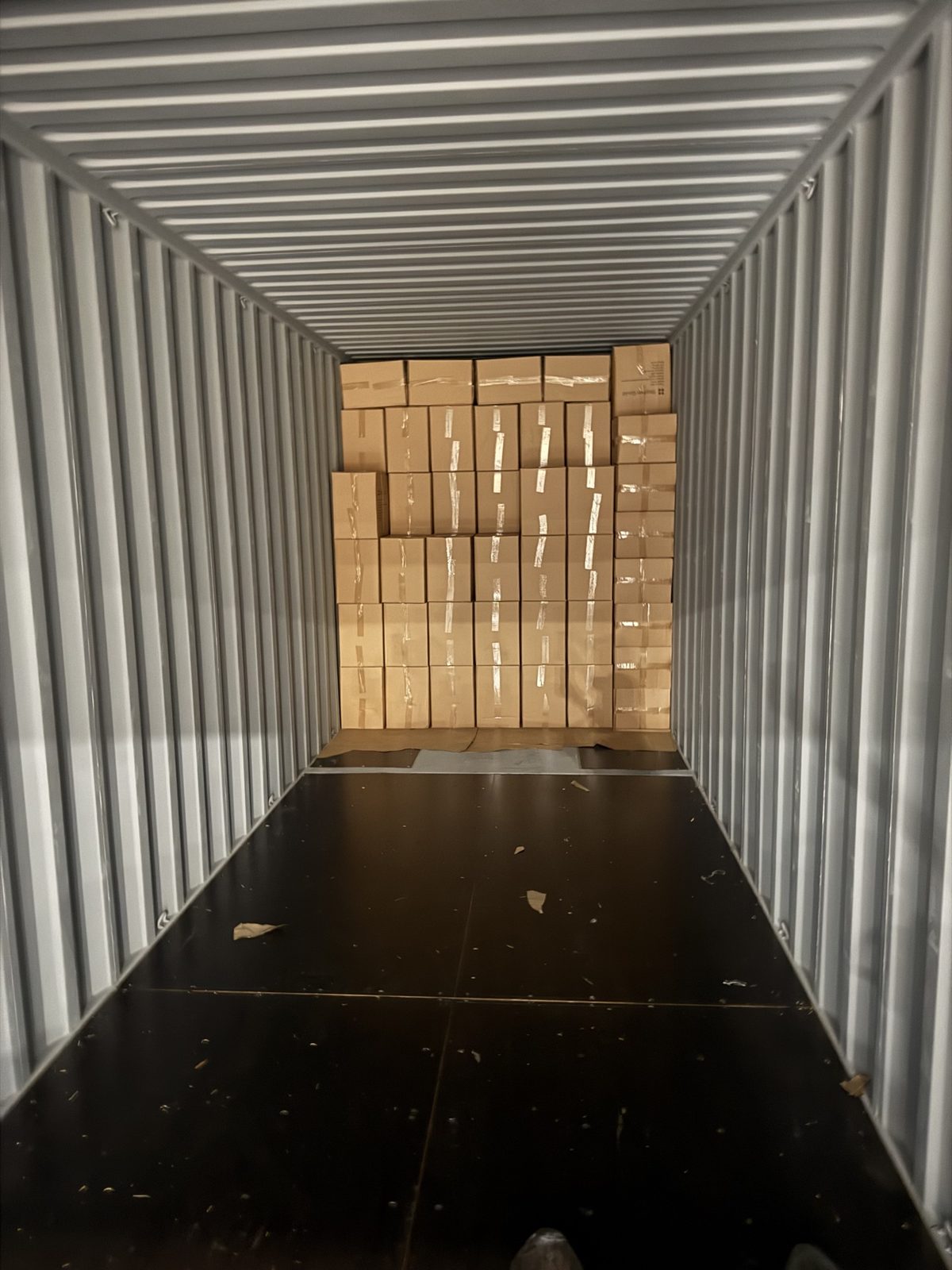
Floor-loaded freight is stacked directly on the container floor with no pallets. It comes out piece by piece by hand. A floor-loaded 40-foot container typically takes 3 to 5 hours to unload manually.
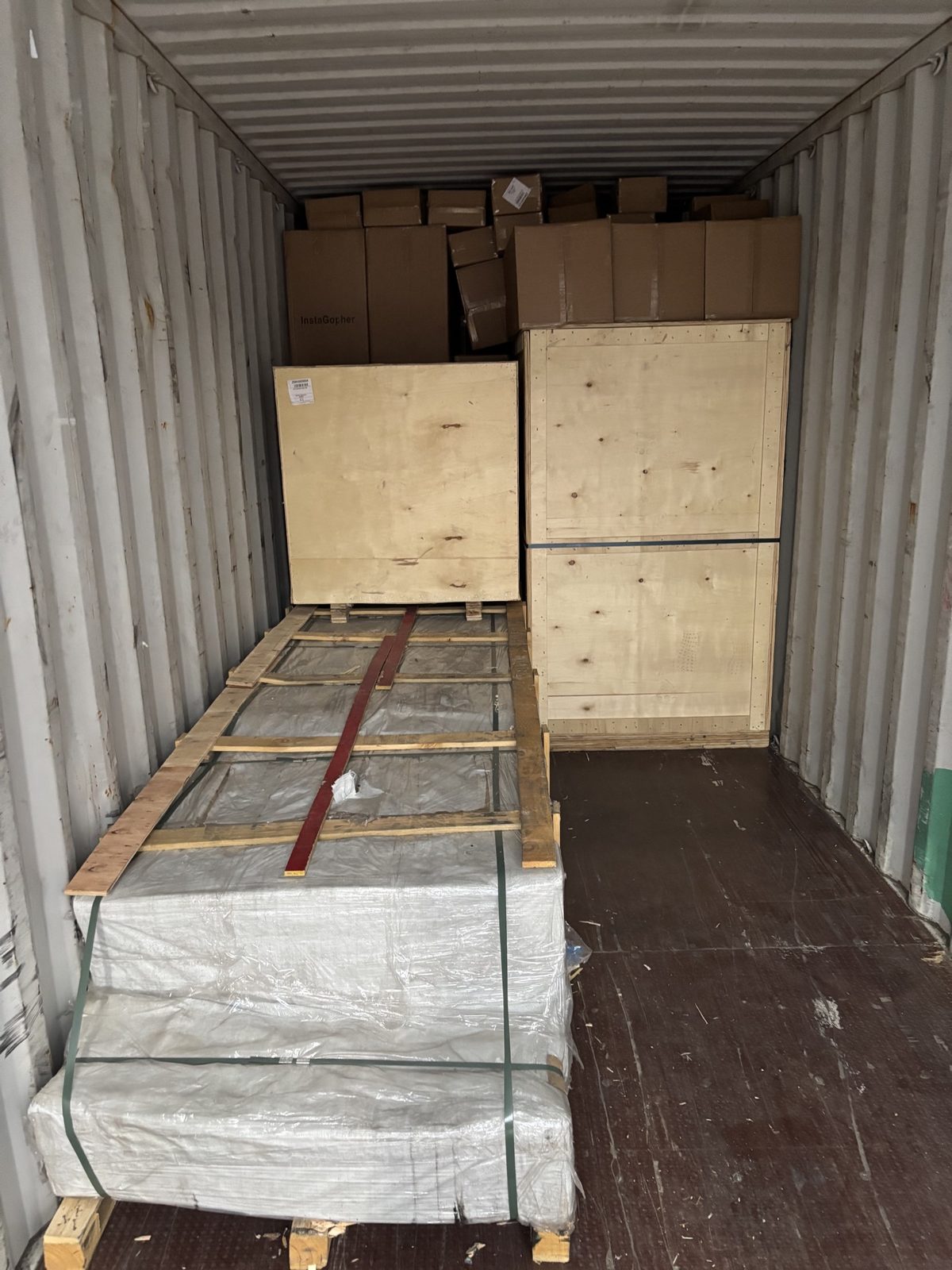
Palletized freight comes out fastest. Forklifts pull loaded pallets directly from the container, and a palletized container typically empties in 30 to 60 minutes by forklift. Workers still check counts and condition as the freight comes out, but the rhythm is steady instead of carton by carton.
Once unloaded, a 40-foot container becomes about 20 pallet positions, and a 20-foot container about 10, with pallets segregated and labeled by destination. Tell the warehouse which type you have before you ask for a quote. It is the first thing that changes the job.
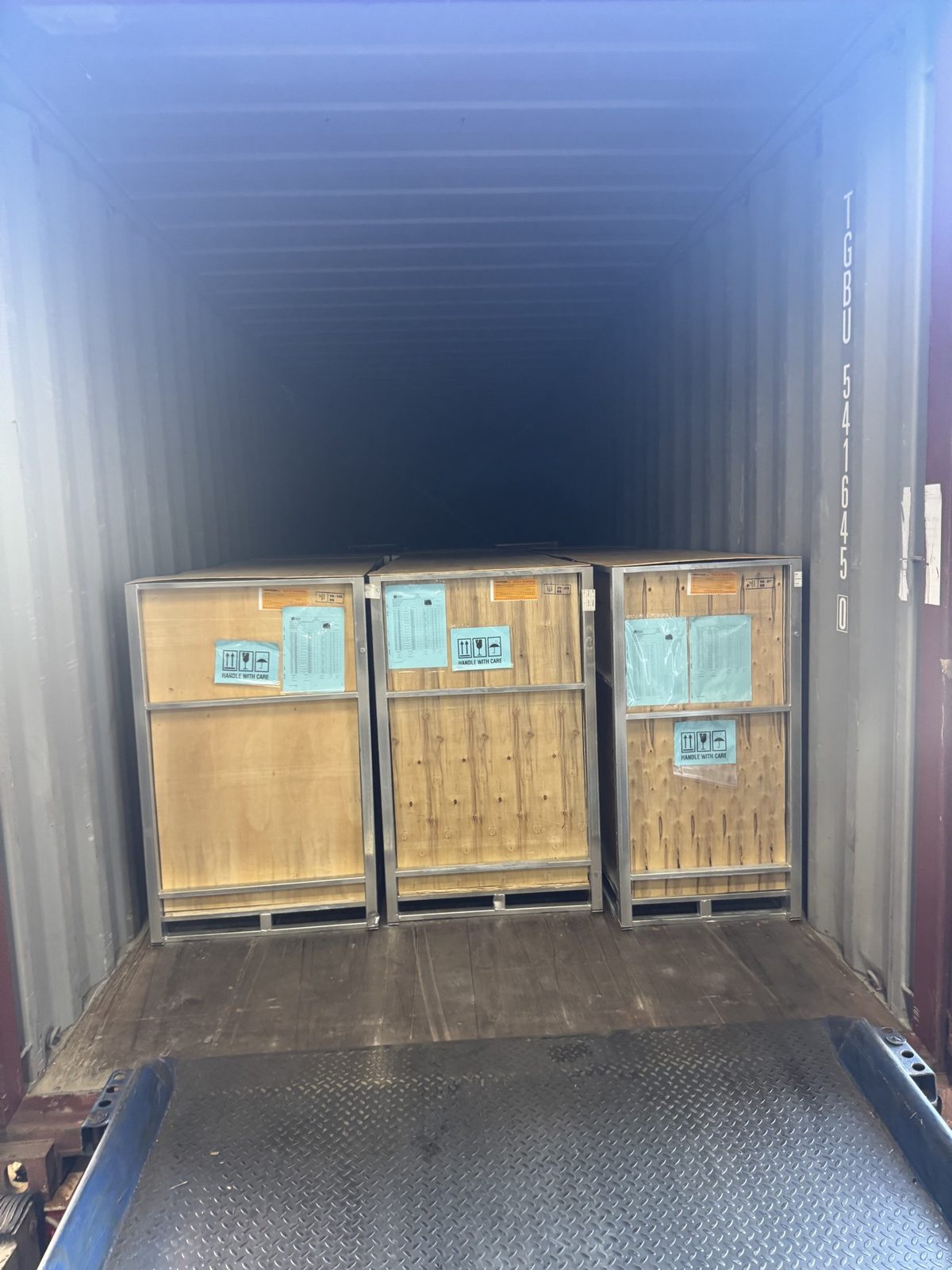
Warehouses offering transloading can help with floor-loaded and palletized containers. For oversized or heavy freight, contact the warehouse to determine if it can handle your load.
The clock starts before the truck does: free time, demurrage, and detention
The Last Free Day is the last day a container can stay at a port, terminal, or rail yard without demurrage charges. Know yours before you book anything.
Free time at Los Angeles and Long Beach typically runs 3 to 5 calendar days, with exact free days varying by port and container type. The Port of Los Angeles tariff describes four free days starting at 3:00 a.m. after discharge. That window is shorter than most shippers expect, and it is why a slow unload decision costs money even when nothing has gone wrong yet.
Demurrage is charged when a container sits inside the terminal past the Last Free Day. Detention is a separate charge, for an empty container held outside the terminal past the carrier’s free time. The two can stack on the same shipment. No dollar figure is given here. Demurrage and detention rates vary by carrier, terminal, container type, and contract.
What happens to your freight after it comes out of the container
After unloading near Los Angeles and Long Beach, freight is commonly palletized, cross-docked to outbound transport, or placed in short-term warehouse storage. It does not just sit on a dock waiting for someone to figure out the next move.
The usual sequence after the unload:
- Unload the container
- Palletize, sort and label by destination
- Cross-dock to outbound transport or place in short-term storage
- Outbound move
Transloading means unloading a container and reloading its cargo for onward movement, for example into 53-foot dry vans, flatbeds, rail cars, or LTL carriers. See Transloading in California for how that work fits together across the state, along with restack services in California and cross docking in California.
Outbound arrangements vary by warehouse. Some bundle drayage and outbound. Others expect your forwarder or carrier to deliver the container. Confirm that point directly with the warehouse before you send the load, so the freight is not unloaded with nowhere to go.
Split deliveries are handled by all listed warehouses; explain the full scope when you contact the warehouse. Split-delivery pricing depends on the warehouse, normally per load or per pallet of palletized freight. Confirm hold terms with the warehouse for how long freight can be held in short-term storage after unloading.
What to tell the warehouse before you send the container
Give the warehouse enough detail to answer your quote request in one pass:
- Container size and type, and whether the load is floor-loaded or palletized, since that drives labor and time.
- Cargo details: what the freight is, how many cartons or pallets, and whether it is oversized or heavy.
- What happens after unloading: palletize and hold, cross-dock, split across deliveries, or reload to outbound trucks.
- Timing: expected arrival and the Last Free Day, so the warehouse can judge urgency against the port clock.
The intake checklist above is confirmed. Appointment and live-unload versus drop-trailer procedure, container return procedure, and booking lead time vary by warehouse; confirm them with the warehouse before booking.
What drives the cost
There is no flat Los Angeles rate on this page. Rates vary by job, and a rate borrowed from another market would not hold up here.
Cost is driven by pallet count, floor-loaded versus palletized handling, weight, speed of turnaround, storage, and outbound handling. A floor-loaded container that takes hours of hand work is a different job from a palletized container that empties by forklift, and a load that needs storage and split outbound moves costs more to handle than a straight cross-dock.
Quote requests go directly to the warehouse, which replies as soon as possible, normally within 24 hours or less. Describe the full scope in your first message, using the checklist above, so the quote reflects the actual job.
Find a California warehouse on the map
Use the California warehouse map to find warehouses near Los Angeles and Long Beach. Contact the warehouse directly and confirm it can take your specific load, floor-loaded or palletized, oversized or heavy, before you send the container. Transloading in Oakland and the San Francisco Bay Area is a separate market if your freight lands farther north.
Frequently asked questions
Use the California warehouse map to find warehouses near the San Pedro Bay ports. Contact the warehouse directly to confirm it can take your container, since capability varies by warehouse.
Warehouses near Los Angeles and Long Beach unload both types. Floor-loaded freight is unloaded piece by piece by hand and takes longer, while palletized freight is pulled out by forklift, so tell the warehouse which type you have when you ask for a quote.
Freight is commonly palletized, sorted and labeled by destination, cross-docked to outbound transport, or placed in short-term warehouse storage. Whether the warehouse arranges outbound trucks or you arrange your own depends on the warehouse, so confirm that when you contact them.
There is no single lead time that fits every warehouse. Contact the warehouse as soon as you know the arrival date and your Last Free Day, so the unload can be scheduled before demurrage starts.
Pallets from one container can be segregated and labeled by destination for separate outbound moves. All listed warehouses handle split deliveries; explain the full scope when you contact the warehouse. Split-delivery pricing depends on the warehouse, normally per load or per pallet of palletized freight.
Find a warehouse on the California map and send your quote request directly to that warehouse, describing the container size, floor-loaded or palletized load, cargo, and what should happen after unloading. The warehouse replies directly, normally within 24 hours or less, so include the full scope in your first message.