If you’re looking to efficiently distribute goods in the Phoenix area, cross docking services can help streamline your supply chain. Cross docking allows truckloads to be transferred directly between transportation lines with minimal storage in between. This saves time and money compared to warehousing goods.
As a distribution hub and major southwestern city, Phoenix has numerous cross docking facilities to choose from. How do you find the right provider to meet your business’s unique needs? This guide covers factors to consider when selecting cross docking services in Phoenix.
Benefits of Phoenix Cross Docking
Strategically located at the junction of major interstates and railroads, Phoenix emerged as a transportation hub. Companies with distribution facilities here can reach major west coast cities rapidly. Phoenix itself has over 1.6 million residents, making it the USA’s 5th most populous city.
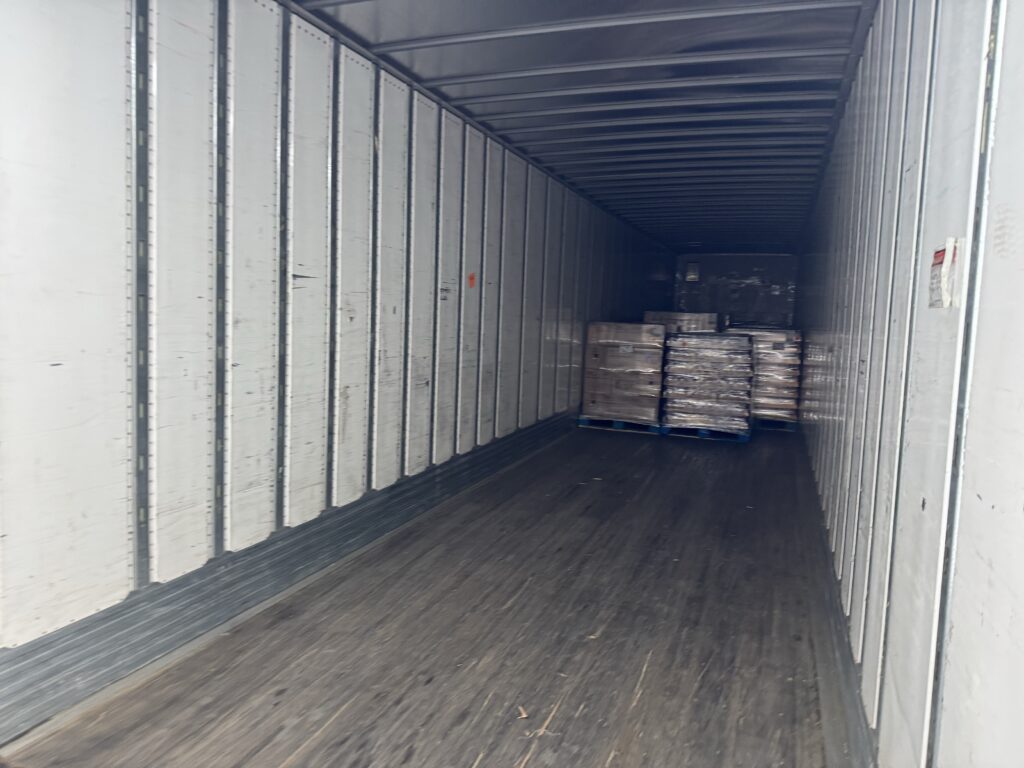
Cross docking leverages Phoenix’s logistics infrastructure to minimize transit times. Rather than storing goods, they are transferred between inbound and outbound trucks. This reduces real estate and labor costs associated with warehousing inventory. Other advantages include:
- Expedited Deliveries: Cross docking speeds goods to their destination without lengthy storage stops. This allows just-in-time delivery strategies.
- Lean Operations: With minimal warehousing, you only pay for value-added handling. This reduces overhead costs.
- Flexible Scaling: Cross docking services can accommodate large seasonal or temporary shipment volumes cost-effectively.
- Process Improvements: Experienced cross dock managers design efficient processes minimizing transfer and processing times.
By keeping goods continuously moving through Phoenix, cross docking maximizes both shipment velocity and operating margins.
Key Cross Dock Selection Criteria
Yet all cross docks are not equal. As you evaluate Phoenix cross docking services, consider these key factors:
Location and Transportation Access
Ideally, your provider’s facility can be reached easily from both your suppliers and target markets. Review rail lines, interstate access, airports, and other transport options that serve them. Facilities near key routes will expedite shipments.
Also consider if their location allows one-way truck routes that avoid empty backhauls. This further improves efficiency and pricing.
Handling Capabilities and Expertise
Determine if the cross dock’s equipment, systems, and staff can handle your specific goods and volumes. This includes both manual and automated options for:
- Inbound receiving and inspection
- Inventory tracking and management
- Sorting, consolidating, and sequencing
- Outbound load assembly and dispatch
More advanced cross docks offer additional value-added services as well like light assembly or custom packaging.
Their expertise should align with your product types and key markets too. For example, food-grade cross docking has unique requirements compared to general merchandise.
Flexibility and Scalability
Evaluate if the provider can seamlessly adapt to fluctuations in your volumes and business needs. This includes accommodating urgent priority shipments or order changes.
Technology integration capabilities are also key. Cross docking productivity improves significantly when leveraging real-time data exchange. This allows orchestrating just-in-time deliveries across suppliers, transportation, and destination hubs.
Reliability and Security
Consistency and performance are vital for streamlined distribution. Consider the provider’s track record and customer feedback. Also review protocols protecting your inventory from damage or theft during handling.
Many cross docks offer bonded storage and monitoring options for added security as well.
Cost Structures
While cross docking saves money over traditional warehousing, fees vary widely between providers. Understand how you are charged – whether by unit, weight, shipment, activity, or a combination. How labor, equipment, and value-added services are billed also differs.
Request a complete breakdown of standard fees. Check if discounts may apply based on volumes or contract terms too. Some cross docks base pricing on measurable performance metrics as well, allowing you to optimize costs.
Finding the Best Match
Every business has unique distribution requirements. Defining your expected volumes, product types, target markets and performance objectives allows properly assessing alternatives. Develop a request for proposal clearly conveying your needs for comparison.
Ready to identify leading cross docking facilities in the Phoenix area? Click here to find a warehouse near you with Transload Now. Search and compare listings to find providers matching your business’s unique distribution and cross docking requirements. Get started now to optimize your supply chain speed and costs.