Your receiver rejected the load, or the full trailer will not fit their dock, and your driver is burning hours while appointments slip. Another version of the same problem: inbound from the port has to split across several outbound deliveries and you have no dock of your own in Massachusetts to stage it. Either way, you need freight moved across a dock quickly, with no interest in storing it.
Cross docking means unloading an inbound trailer or container and loading the freight straight onto outbound trailers with minimal or no storage time. For Massachusetts shippers and brokers, that inbound freight usually starts at Conley Terminal in South Boston, New England’s only full-service container gateway serving more than 2,500 importers and exporters. Here is how cross-dock jobs actually run in Massachusetts, what drives the quote, and how to find a dock that can take your load.
Where Massachusetts freight comes from and how it moves
Cross-dock freight in Massachusetts typically starts as a container coming off a ship at Conley Terminal in South Boston, or arrives via the through route on I-84 from Connecticut and New York, runs past Worcester on I-90, and exits via I-93 to New Hampshire or I-95 to Maine. Conley moved over 1.7 million metric tons in 2025, its strongest year on record, and handled 122,023 TEUs through May 2026, up 14% from the same period the year before.
From the port, the highway network does the rest. I-90 (the Mass Pike), I-95, I-93, I-84, and I-91 feed the state’s warehouse corridors, and I-495 rings the Boston metro. The through route runs in on I-84 from Connecticut and New York, passes Worcester on I-90, and exits via I-93 toward New Hampshire or I-95 toward Maine. Facilities along the I-91 and I-90 corridor sit in position for distribution into Boston, Hartford, and Springfield.
This matters because the dock you need sits between the port and the corridor, not in downtown Boston. The Massachusetts warehouse map shows where those warehouses actually sit.
How a cross-dock job actually runs, step by step
A cross-dock job follows the same four moves, whether it is a live unload or a rejected load that needs rebuilding.
1. Set the appointment. The job starts before the truck rolls. Call the warehouse with the pallet count, the inbound equipment, and the timing. Every warehouse needs those inbound details to line up a door and a crew.
2. The inbound unloads at the door. The trailer or container gets unloaded. If the load came off shifted or the receiver refused it, rework starts here: re-stacking, re-wrapping, and redistributing weight across pallets before anything moves on.
3. Freight transfers straight to outbound trailers. Inbound freight moves across the dock to outbound trailers with minimal or no storage time. If the driver cannot wait, some warehouses will hold the freight in short-term storage and arrange redelivery.
4. Outbound trailers seal and dispatch. Loads go out sealed and documented. If the freight is split across several deliveries, the outbound pulls are staged off the delivery list you provided up front.
One listing in the directory is RKA Transportation Services Inc of South Easton, MA. It flags Cross Dock Freight, requires appointments, and shows service across Massachusetts, Rhode Island, Connecticut, and the Greater Boston area. One listing among many, not a recommendation. Start from the Massachusetts warehouse map to compare warehouses near your lane.
Cross docking vs transloading: what is the difference
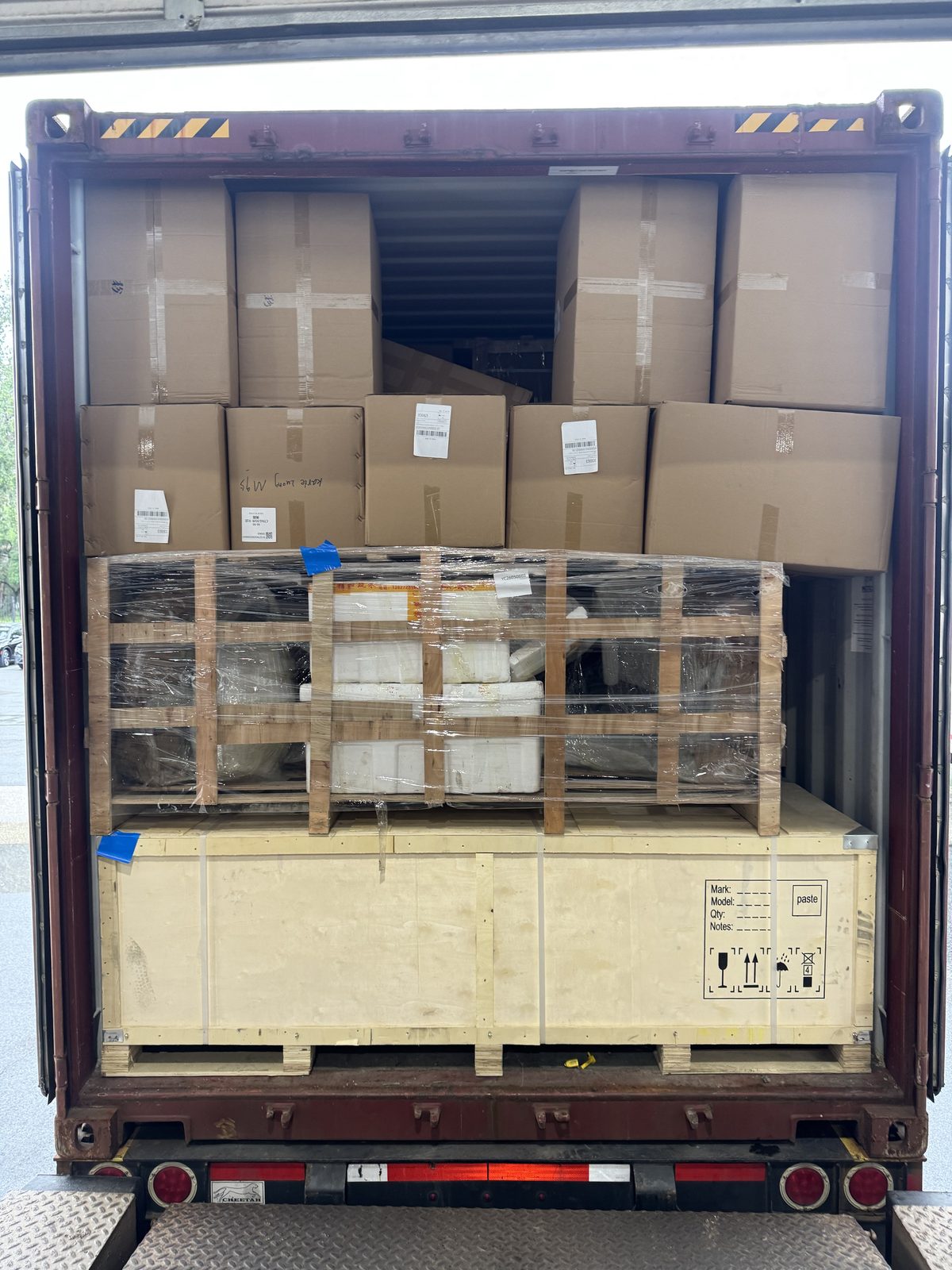
Transloading changes the mode or equipment type. An ocean container comes out of the terminal, a crew unloads it, and the freight gets reloaded onto domestic trailers or staged into short-term storage. Cross docking is the transfer itself: freight moves across the dock onto outbound trailers with minimal or no storage.
One job often includes both. A container unloads (transload) and the freight goes straight onto outbound trailers (cross dock) in the same visit. For the full breakdown of the transload side, see our guide to transloading in Massachusetts.
What a Massachusetts cross-dock quote is actually based on
No Massachusetts warehouse publishes a per-pallet cross-dock rate card. Every quote is per job, and the honest answer to “what does it cost per pallet” is that it depends on the job.
Here is what actually drives the number:
- Floor-loaded versus palletized inbound. A floor-loaded 40 that needs unloading by hand costs more to handle than pallets that forklift straight off.
- Pallet count. The warehouse sizes the crew and the door time off this.
- Rework needs. Re-stacking, re-wrapping, or redistributing a shifted or rejected load adds labor before the transfer.
- Turn speed. A load that needs to turn same day prices differently than one that can stage overnight.
- Storage days. If freight has to sit because the outbound driver is not there yet, each day adds to the quote.
Have these ready when you call: the load detail, the delivery split, and the timing. That is what the warehouse will ask for before giving a number.
What can go wrong, and what to line up before the truck rolls
Rejected loads. A receiver refused the freight, or it came off the trailer shifted. Massachusetts warehouses can take it: re-stack, re-wrap, redistribute the weight, reload it onto outbound trailers. Some will hold the freight short term and arrange redelivery while your driver is elsewhere. Same-day help is often possible based on availability, but call ahead and never roll a driver in unannounced.
Appointments. Assume they are required. Without those inbound details, no warehouse can line up a door and a crew. Next-day turns are commonly doable when they know the job is coming.
Hazmat and food-grade freight. General palletized freight is the standard cross-dock load, and some Boston-area facilities carry food-grade credentials. But a hazmat acceptance flag on a listing does not confirm certification, and food-grade handling depends on the warehouse. Confirm product exclusions with the warehouse before you commit to a quote.
Find a cross-dock warehouse in Massachusetts
This directory connects shippers and brokers with warehouses; it does not sell one warehouse over another. The way to find one is to search the map, compare the listings near your lane, and call the warehouse yourself. Contact the warehouse in advance to confirm the appointment, the rates, and the scope. Never show up unannounced.
Search Massachusetts warehouses on the map
Cross docking in Massachusetts: FAQ
Same-day help is often possible based on availability, and next-day is commonly doable. Nobody publishes dock-to-door turnaround hours, so call the warehouse before the truck rolls and confirm they can take the load when you need it.
No Massachusetts warehouse publishes a per-pallet cross-dock rate. Every quote is per job, driven by floor-loaded versus palletized inbound, pallet count, rework, turn speed, and any storage days. The warehouse will ask for the load details before giving a number.
General palletized freight is the standard cross-dock load, and some Boston-area facilities carry food-grade credentials. But a hazmat acceptance flag on a listing does not confirm certification, and food-grade handling depends on the warehouse. Confirm product exclusions with the warehouse before you commit to a quote.
Yes, if you move fast. Massachusetts warehouses rebuild rejected or shifted loads with re-stacking, re-wrapping, weight redistribution, and reloading, and some will hold the freight short term and arrange redelivery if your driver cannot wait. Call ahead. Same-day help is often possible based on availability, but never roll a driver in unannounced.
Assume appointments are required. Every warehouse needs to know the inbound details to line up a door and a crew. Tell the warehouse the pallet count, the inbound equipment, and the timing before the truck rolls.
Yes. That is one of the main reasons to cross dock. The warehouse unloads the container, breaks the freight down, and reloads it onto several outbound trailers, often the same day depending on pallet count and availability. Give the warehouse the delivery list up front so they stage the outbound pulls correctly.