
Your container is on the ground at a Chicago area rail ramp, the ramp clock is running, and you have not picked the warehouse yet. Container unloading in Chicago means a dray from the rail ramp to a warehouse, where the crew opens the box, unloads it, builds loose freight onto pallets, and reloads it onto domestic trailers or into short-term storage.
Chicago is not a port call for most ocean boxes. The container crossed the ocean to a coastal port, rode a train inland, and grounded here. The Port of Chicago moves bulk and breakbulk cargo like steel, grain, and lumber, and it is not an ocean container gateway. Your job is a rail job: ramp, dray, dock, unload, then out.
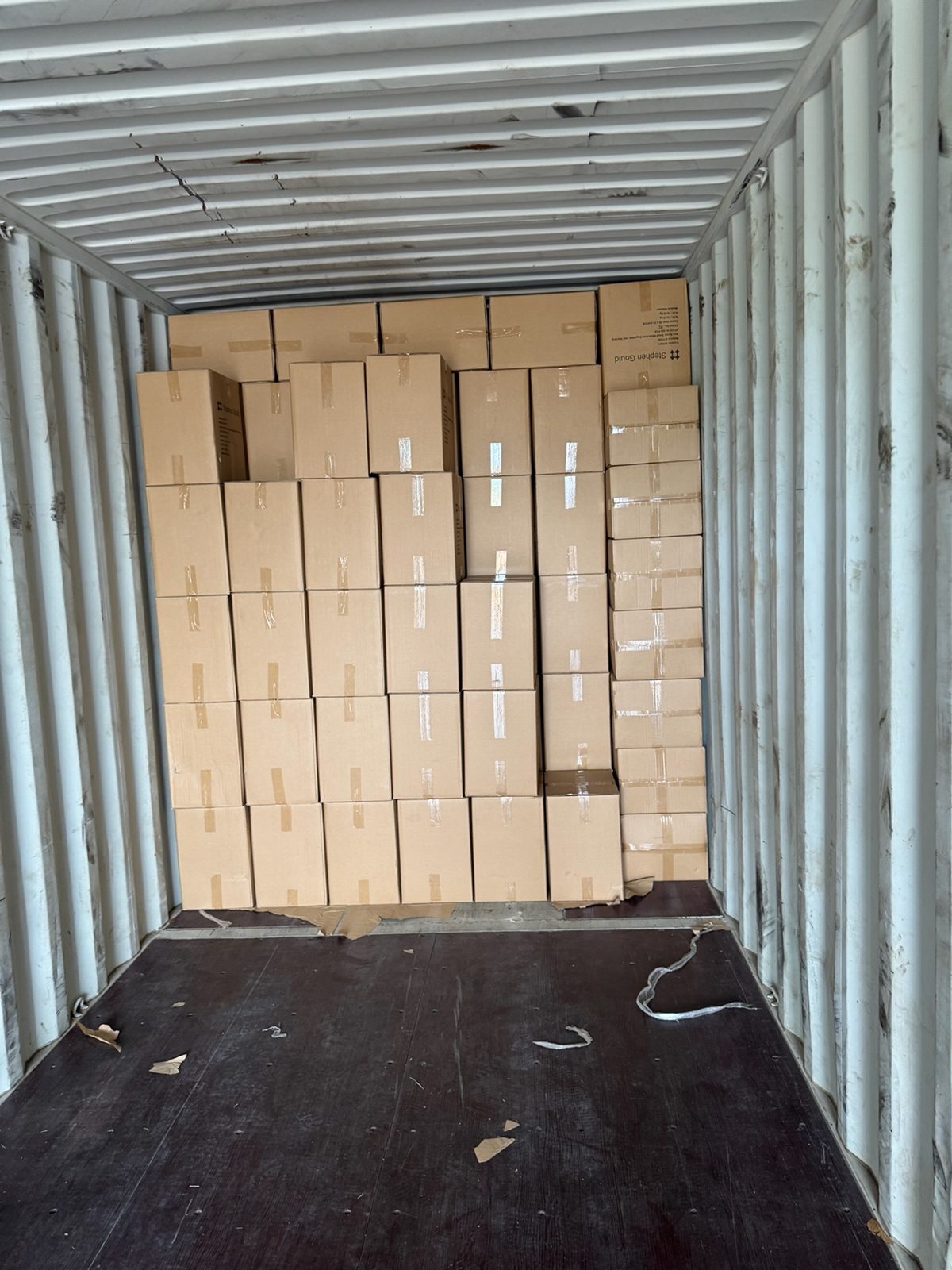
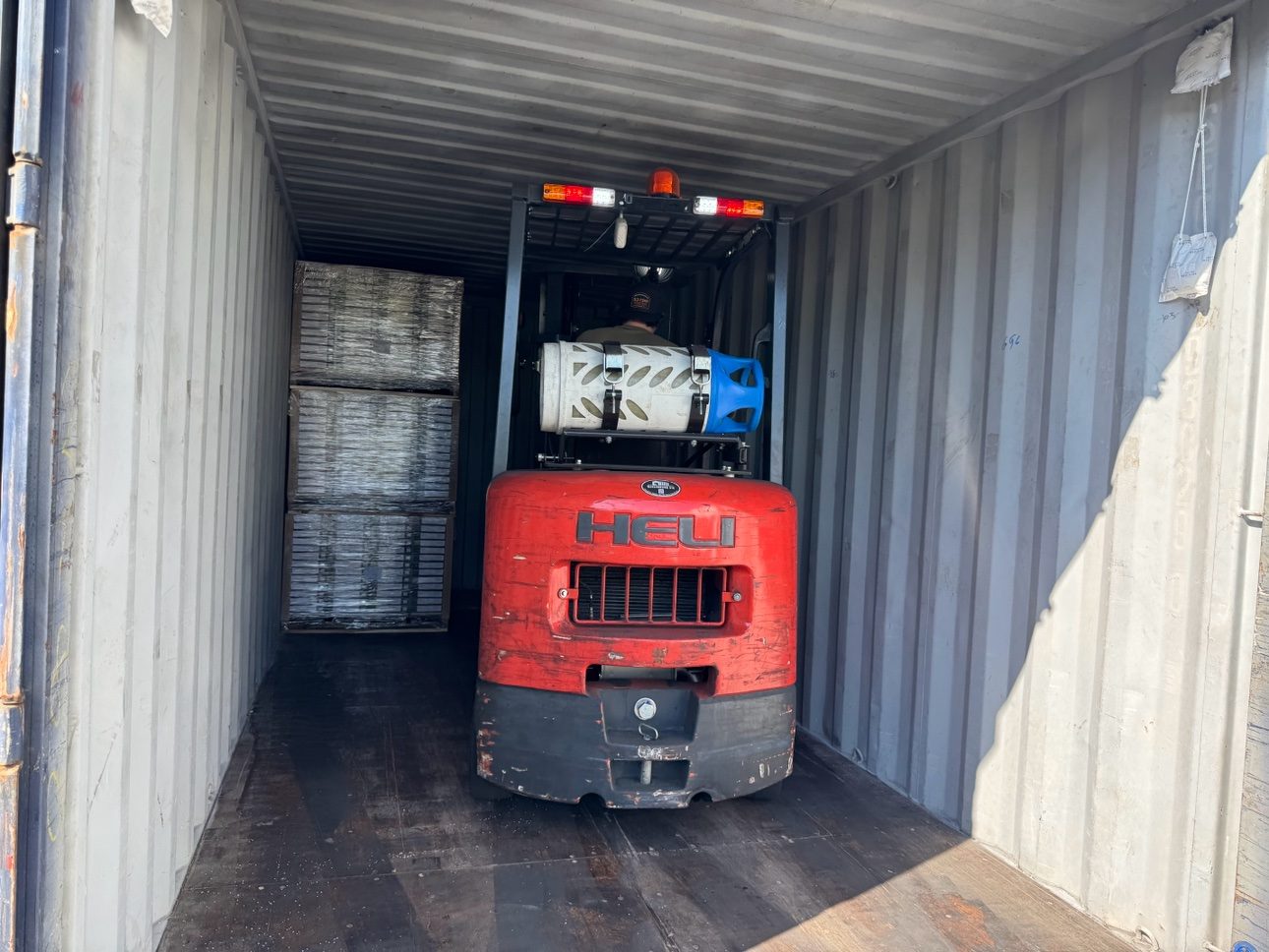
A palletized 40 foot box comes off with a forklift in 30 to 60 minutes. A floor-loaded 40 is 2 to 5 hours of hand work before the freight sits on pallets. Same box size, very different day, and the warehouse cannot plan the crew until it knows which one you have.
Start with the ramp named on your paperwork
Read the ramp name off your paperwork before you call anyone. Chicago is the largest freight rail hub in the United States, and six Class I railroads meet here: BNSF, Canadian National, Canadian Pacific Kansas City, CSX, Norfolk Southern, and Union Pacific. About 25 percent of all freight trains and 50 percent of all intermodal trains in the nation pass through metropolitan Chicago. The ramps are spread across the whole region, not clustered around one terminal.
In 2021, CSX Bedford Park handled about 909,000 lifts, BNSF Logistics Park Chicago at Elwood, by Joliet, handled about 889,000, and BNSF Corwith in Chicago handled about 844,000.
UP Joliet Intermodal Terminal, also called Global IV, handled about 668,000 lifts in 2021, CN Gateway at Markham handled about 551,000, NS 47th Street in Chicago handled about 521,000, and CP Bensenville handled about 158,000. The regional total was about 7.68 million lifts in 2021. The name on the paperwork is not a detail, it is the starting point for the price and the plan.
I-55 runs from Chicago southwest through Joliet toward St. Louis. I-80 crosses south of the city, also through Joliet.
I-57 runs south, I-88 runs west, and I-90 and I-94 serve the north side, O’Hare, and the northwest suburbs, with I-294 and I-355 as beltways. BNSF Logistics Park and UP Global IV sit at Joliet and Elwood on the I-55 side. CSX works out of Bedford Park, by the I-55 and I-294 junction. BNSF Corwith and the Norfolk Southern yards sit on the south side, CN Gateway is at Markham, and the Canadian Pacific Kansas City yard is at Bensenville, next to O’Hare.
A box grounding at Joliet and a box grounding at Bedford Park are different jobs, even if both end up at the same warehouse. The ramp decides the dray length, and the dray length helps decide which warehouse makes sense. A warehouse that is a clean pull from one ramp can be a long pull from another. Name the ramp first, then talk about the unload.
The dray is a separate job from the unload
The ramp does not unload freight for you. The ramp lifts the container off the train and grounds it. A truck then pulls the box to a warehouse dock, and the warehouse crew opens it there. Two separate jobs, different people, different clocks, and both have to be lined up before either one works.
Who arranges the dray gets settled in the first message. A warehouse can usually line up the dray for you, or you can send your own dray carrier if you already have one working that ramp. What does not work is assuming the other side handled it. Say plainly who is booking the truck, so the box is not sitting grounded while two offices each wait on the other.
Chassis and pickup timing are part of the plan, not an afterthought. The truck needs the right chassis, a pickup window that matches how that ramp releases boxes, and a dock appointment at the warehouse on the other end. If the dray arrives with no appointment, the driver waits or gets turned around, and the box is still loaded while its clock runs.
Winter makes this tighter in Chicago. In winter, snow and hard cold slow the dray, the ramp work, and the dock day alike. Book the dray and the dock together, with some slack in the plan, instead of treating them as two loose ends.
While the box sits at the ramp, ramp storage charges can start once the free time on that ramp runs out. Once the box is out, the container itself is on a per-diem clock until it is empty and returned. Neither clock stops because the unload was booked late.
Floor-loaded or palletized decides the day
Load type is the single biggest fact in your message. Palletized freight comes off with a forklift. Loose freight comes off by hand, piece by piece, and gets built onto pallets at the dock.
A palletized 40 foot box comes off with a forklift in 30 to 60 minutes. A floor-loaded 40 runs 2 to 5 hours of hand work to empty. A 20 foot box is smaller, but the same split applies. If you do not know how the box was loaded, find out before you call, because a quote built on the wrong load type will not hold.
Plan on about 20 pallet positions out of a 40 foot container and about 10 out of a 20 foot container. Treat those as planning numbers, not a promise. The real number depends on item size and how the freight was loaded, and that count drives the outbound plan and any storage space the warehouse has to hold.
Crew planning follows the load type. A floor-loaded box needs hands, pallet stock, wrap, and dock space for the build as it comes off. A palletized box needs a forklift and a clear lane to stage pallets. A warehouse that knows in advance can have crew and space ready when the dray arrives. One that finds out at the dock door has to rebuild the day around your box.
Loose freight can also shift in transit. Cartons can crush or leak. If the freight needs sorting, relabeling, or a rebuild before it goes back out, that work starts at the unload, and the warehouse needs the scope as early as you know it.
Bonded freight and Customs exams
Some boxes do not go straight from the ramp to a warehouse. Customs can pull a container for an exam, and that box routes to a bonded container freight station instead of a regular dock. The routing, the paperwork, and who can handle the freight all change.
If your box is on an exam hold, say so in the first message. Do not let the warehouse find out after the dray is booked. A box sent to the wrong place wastes the dray, burns time on both clocks, and has to be moved again.
Chicago O’Hare handled about 2.10 million US tons of cargo in 2023, and the warehouse ring around Bensenville, Elk Grove Village, and Des Plaines exists in part because of that air work, including bonded container freight station work for Customs exams. Exam routing is normal work in this region.
The map section below identifies which listed Chicago warehouse is a bonded container freight station. If your paperwork shows an exam hold, start there, confirm with that warehouse directly, and build the dray around the exam routing.
What to send so the unload gets priced in one pass
One complete message gets the job priced. A partial message gets follow-up questions while the box sits.
- Box size, 20 or 40 foot, and the load type, floor-loaded or palletized.
- Which ramp the box grounds at, and the day it is available to pull.
- Any last free day shown on the railroad paperwork, copied as it appears, so the warehouse can see the ramp clock you are working against.
- Weight and dimensions of the items, or an itemized pack list.
- Where the freight goes after the unload: straight reload, short-term storage, or split across destinations.
- If the freight splits, every destination and the pallets per destination, stated in full.
- How long the freight needs to stay if the receiver is not ready to take it.
- Any Customs exam hold on the box, stated plainly if there is one.
- Who arranges the dray, the warehouse or your own carrier.
With that list, a warehouse can price the dray, the unload labor, and the reload or storage in one pass, and tell you whether it has the dock time and the space.
Quote requests go directly to the warehouse. The default expectation is a reply as soon as possible, normally within 24 hours or less. If your ramp clock is tight, say so in the first sentence and give the warehouse the last free day from your paperwork.
What moves the price on a Chicago unload
These are the drivers a warehouse weighs when it quotes your box.
Dray distance from the named ramp comes first. A short pull and a long pull across the region are different trucking jobs, with different time and queue exposure. The closest warehouse on a map is not always the cheapest total job once the dray is priced in.
Labor by load type comes next. A palletized 40 that clears in 30 to 60 minutes by forklift and a floor-loaded 40 that takes 2 to 5 hours of hand work carry very different labor. Mixed loads, heavy pieces, and sorting as freight comes off add hands and time.
Ramp storage exposure is the cost of waiting. If the box sits because the unload was booked late, or the first message was missing facts needed to price it, ramp storage charges can start and the per-diem clock keeps running until the box is empty and returned. Booking early with a complete packet is the cheapest move here.
Sort, relabel, and rebuild work adds to the base unload. Freight that arrives shifted, mixed, or labeled for the wrong destination has to be fixed at the dock before it can reload. That work is priced on scope, and it goes faster when the warehouse knows before the doors open.
Outbound shape closes the quote. A straight reload onto one domestic trailer is the simplest ending. Storage adds pallet positions and time. A split adds sorts, separate builds, and separate outbound loads, priced per truckload or per pallet depending on the load and the warehouse. Keep conversion math honest too: a loose-loaded 40 built onto pallets can take two dry vans on its own, and heavy palletized freight can weigh a van out before it cubes out.
Find a warehouse in Illinois
Start with the map page: Find a warehouse in Illinois. Call to confirm services, dock setup, and availability for your box before you book the dray.
- Logistics Plus ORD, Bensenville: warehousing and fulfillment, described as a hub for businesses needing those services. Call to confirm.
- Unilogic Group, Chicago: a US Customs Bonded Container Freight Station, based in Chicago. Call to confirm.
- FleetPro Leasing Inc IL, Des Plaines: a dedicated hub for logistics services tailored to suit your business. Call to confirm.
- LSI Logistics Solutions, Glendale Heights: 60,000 square feet facility with 6k lb capacity forklifts, dock high and ground level loading. Call to confirm.
- UGI Global, Lockport: flexible, reliable warehousing and logistics support for carriers. Call to confirm.
For the wider picture, read Transloading in Illinois. Whether the unload can happen the same day depends on the dock’s availability; next-day is commonly doable. Most warehouses need advance appointments, and procedures for appointments, live unloads against drop trailers, and lead time vary by warehouse. Contact the warehouse in advance, before the driver rolls, and never show up unannounced.
Frequently asked questions
A truck drays your container from the rail ramp where it grounded to a warehouse dock. The crew opens the box, unloads it, builds loose freight onto pallets, and then reloads the freight onto domestic trailers or moves it into short-term storage. The empty container then goes back so its clock can stop.
A dray carrier moves it, and who books that carrier is settled in your first message. The warehouse can usually line up the dray, or you can send your own carrier if you already work a ramp. Just state who is booking it so the box does not sit while each side waits on the other.
A palletized 40 foot container unloads by forklift in 30 to 60 minutes, while a floor-loaded 40 takes 2 to 5 hours of hand work. Plan on about 20 pallet positions out of a 40 foot container, with the real count set by item size and how the freight was loaded.
The box routes to a bonded container freight station instead of going straight to a regular warehouse dock, and the routing and paperwork change. Say so in your first message if there is an exam hold, and confirm the routing with the warehouse before the dray is booked.
Yes, a straight reload is a normal ending, and the freight can also split across several destinations or go into short-term storage. State the full scope when you contact the warehouse, including every destination and the pallets per destination if it splits. The warehouse may arrange the outbound trucks, or you may arrange your own.
The price is built from the dray distance from your named ramp, the labor for your load type, any sort or rebuild work, and whether the freight reloads, stores, or splits. Ramp storage and container per-diem exposure add cost when the box sits because the unload was booked late. Send the full packet and the warehouse will price your actual job instead of a guess.
Send the box size and load type, the ramp it grounds at and the day it is available to pull, and any last free day shown on your railroad paperwork. Weight and dimensions of the items, or an itemized pack list. Add where the freight goes after the unload, any storage time, any exam hold, and who arranges the dray.