
The box is already on its way, or already sitting on a truck in the Phoenix area, and the next step is not ready. The receiver moved the date back. Your own building ran out of floor. A vendor shipment showed up a week early. Short-term warehouse space in Arizona is the gap-filler for that stretch: pallet positions in a Phoenix West Valley warehouse for days or weeks, with a crew to take the freight in and send it back out when the date arrives.
This is not a lease, and it is not a second warehouse. You are paying for floor space and receiving labor for the wait itself. The freight goes down as stock, stays labeled and in reach, and leaves when the receiver opens a dock window or the next truck is booked.
Start with where the freight is right now
The warehouse quotes the wait, not the freight, so the first thing to get straight is what the freight is doing at this moment. Most short stays in Arizona begin in one of five places.
The receiver moved the date back. The box cleared LA or Long Beach on schedule, and the customer in Phoenix cannot take it yet. The container cannot sit at the port, and the driver cannot sit with it either. The warehouse takes the freight off the truck and keeps the pallets until the receiver is ready.
Your own building is full. A vendor shipment landed ahead of schedule, or a seasonal run filled the floor. Nothing is wrong with the freight. It simply has nowhere to sit, and the warehouse is buying you floor space until your own dock clears.
A load is caught between two moves. The inbound truck is booked and the outbound trucks are not, or the freight needs to change hands before the final leg. The warehouse is the pause between two booked moves.
Project staging. Equipment or materials arrive ahead of the install date, and the job site cannot take them yet. The freight waits until the site is ready, then ships out in the order the job needs it.
A seasonal surge. Inbound waves do not always line up with outbound ones, and a few weeks of extra floor space covers the mismatch.
If none of these matches your situation, say so on the first call. The warehouse can still usually help, but it needs the real story to quote the real job. Each of these five puts different pressure on the warehouse, and the quote follows the pressure.
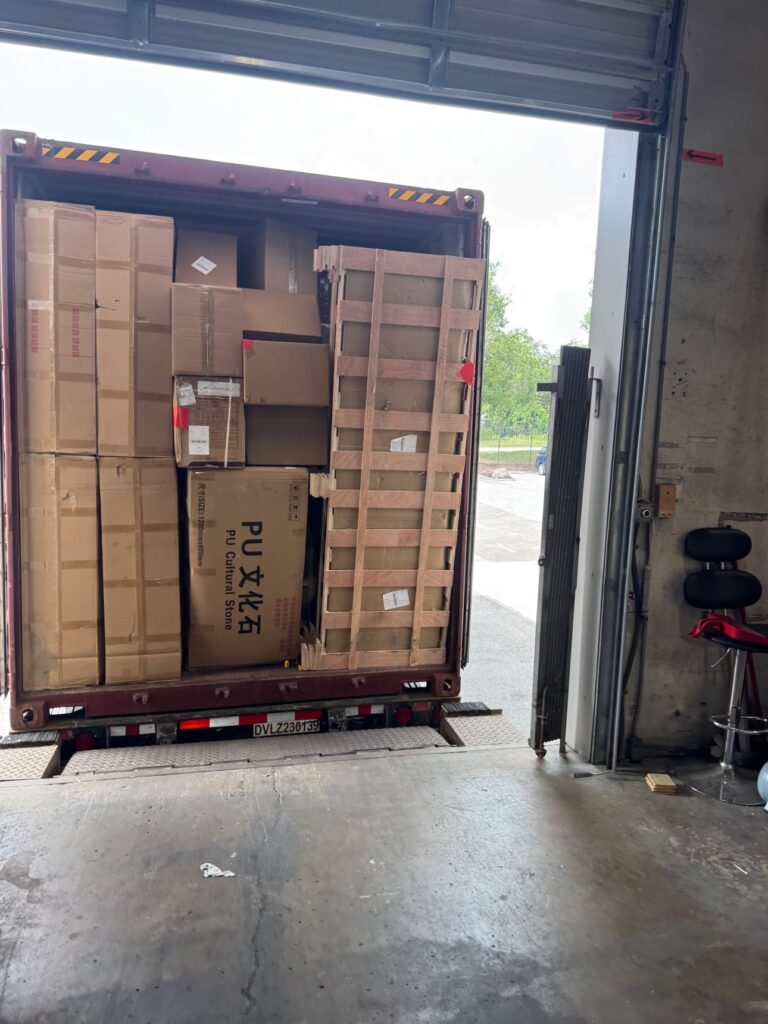
The box came through the coast. The wait happens in Phoenix.
No container ship calls at an Arizona port. Every box that ends up in a Phoenix warehouse came through a coastal port first, and most of them came through Los Angeles and Long Beach. The Port of Los Angeles handled 10,239,318 TEUs in 2025. The Port of Long Beach handled 9,881,595 TEUs in 2025, a record year. Together the two ports moved about 20.1 million TEUs in a single year, and a share of that freight rides east on I-10 to the Phoenix metro.
That is the first thing to put in your message: which port the box came through, and how it is getting to Phoenix. A container can arrive drayed straight from the coast, still sealed, or it can arrive transloaded into a 53-foot trailer at a coastal warehouse. The answer changes the intake job. A sealed container needs a dock, a crew, and time to unload. A transloaded trailer may arrive already palletized and ready to set down.
The run from the LA and Long Beach ports to Phoenix is a one-day truck haul. Trade sources put the distance at about 370 miles on I-10, and the Phoenix metro sits inside that one-day reach from the coast. Rail is part of the picture too. Union Pacific and BNSF both serve the metro, and BNSF runs intermodal through its Glendale facility. If your freight came in by rail, say so in the first message, because the handoff from rail to warehouse is its own step.
The warehouses listed for Arizona short-term space sit in the Phoenix West Valley: Glendale, Surprise, and Tolleson. That cluster is not an accident. The West Valley sits on I-10 West, the same highway your freight rode in from the coast, so a container that lands at the ports can roll straight to a dock without crossing the metro.
The corridors around the West Valley are what make the outbound leg work. I-10 is the spine, running east to Tucson and El Paso and west back to the ports. I-17 runs north from Phoenix toward Flagstaff, where it meets I-40. Loop 101 and Loop 303 ring the West Valley and tie the warehouse cluster into the wider metro. SR-60 runs across the Valley and connects the west side to the rest of the metro. A short stay in the West Valley keeps the final delivery short whether the receiver is in Phoenix, the East Valley, or out on I-10 toward Tucson.
That positioning matters most when the receiver’s window is tight. A warehouse twenty minutes from the receiver can make a dock appointment that a warehouse an hour away cannot. When you contact a warehouse, give it the receiver’s city along with the freight details, so the warehouse can tell you plainly whether the outbound leg works from its dock.
What the warehouse asks before it says yes
Short-term space fits palletized freight that can sit as stock and move again on a forklift. Before the warehouse says yes, it needs two answers, and both belong in your first message.
First, how does the freight show up? Freight that shows up already palletized goes straight to a pallet position. Freight that shows up floor-loaded in a container or trailer is a different job, because the crew has to unload it and build it to pallets at intake. Name the arrival type on the first call. A warehouse that quotes a palletized arrival and gets a floor-loaded one has quoted the wrong job.
Then there is the question of what the freight needs while it waits. Some freight needs a particular temperature, a particular way of stacking, or handling a standard forklift cannot do. Short-term storage is tagged on some Arizona listings, and the services on any one listing still need a phone call to back them up. Tell the warehouse what the freight is, what it weighs, and how it is packed, and ask directly whether the warehouse can take it. A warehouse would rather turn down a load on the phone than discover a problem at the dock.
The stay, day by day
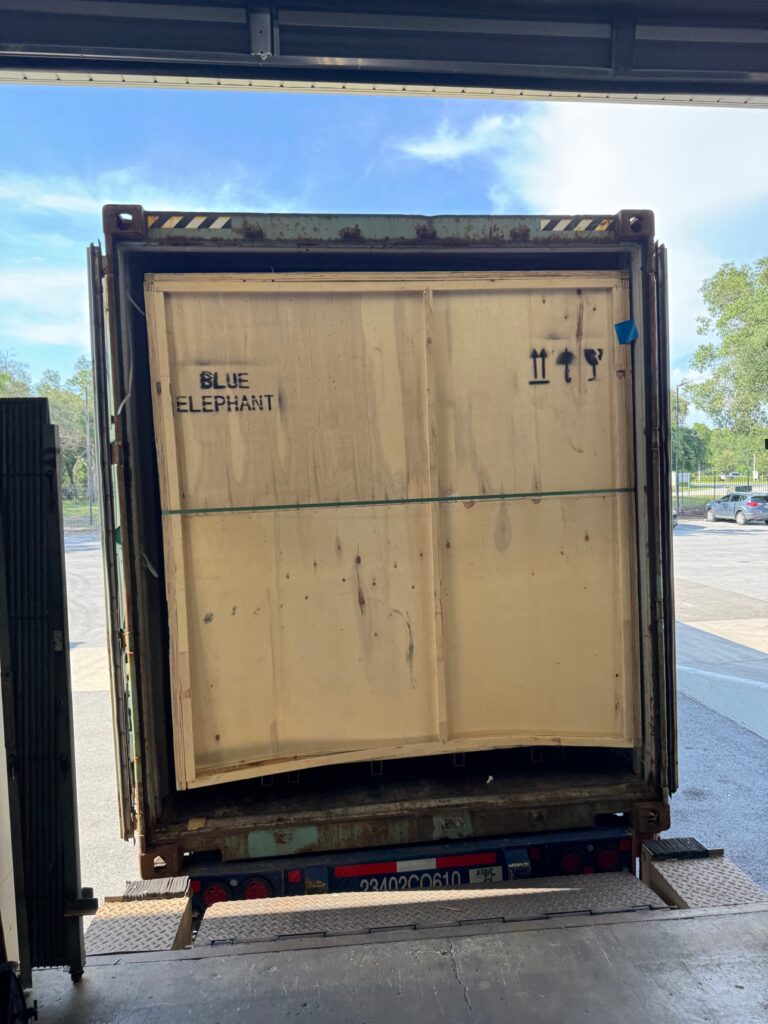
A short stay runs in four steps, and the first step happens before the truck rolls.
Day zero is the phone call. Ring the warehouse first and pin down a dock slot before the driver leaves. Most listed warehouses run Monday through Friday, and one keeps Saturday hours, so check the listing before you plan a weekend arrival. A truck with no booked dock time should not leave. A truck that shows up with no appointment waits, and a waited truck costs money on both ends.
Arrival day is intake. The crew unloads the load and checks it in. Floor-loaded freight gets built to pallets as part of intake where that service is offered. The crew counts the pallets, notes the condition, and sets the freight in its positions.
Then come the sitting days. Pallets stay labeled and in reach, ready to pull the day the receiver opens up. The length of the stay depends on your need. Some stays last a few days while a receiver clears a dock. Some last a few weeks while a project site gets ready. There is no published Arizona window for free storage days, and no sourced Arizona rate for a short stay, so ask the warehouse directly how it prices the time your pallets sit and whether it has any minimum stay. Get the answer in writing in the first reply.
The last day is the way out. Freight ships out in full to one receiver, splits to several destinations, or transfers to a primary 3PL once that warehouse has room. Share that plan before the stay starts if you can. A warehouse that knows the outbound plan can stage the pallets so the pull is fast when the date comes.
How fast can the freight get in? A truck that rolls in the morning can sometimes be on a pallet position by the afternoon, if the dock has an open slot. If not, the next morning is the usual fallback. Neither is a guarantee. The dock has to have room, the crew has to have time, and the appointment has to be booked. Call early and the odds go up.
The end date almost always matters more than the rate. A firm end date prices differently from an open-ended stay, because a warehouse can plan floor space around a date it knows. Tell the warehouse the date the receiver can take the freight, or the span of dates you are working with. If you do not have a firm date, say that too, and say what you do know. A range with an honest update beats a firm date that was never firm.
The moment you learn the date moved, pass it to the warehouse. A slipped date the warehouse hears about the day it happens is a scheduling change. A slipped date the warehouse hears about after the freight was supposed to leave is a problem on a dock that was promised to someone else. The sooner the warehouse knows, the more room it has to keep your pallets in place.
When one load has to leave as several
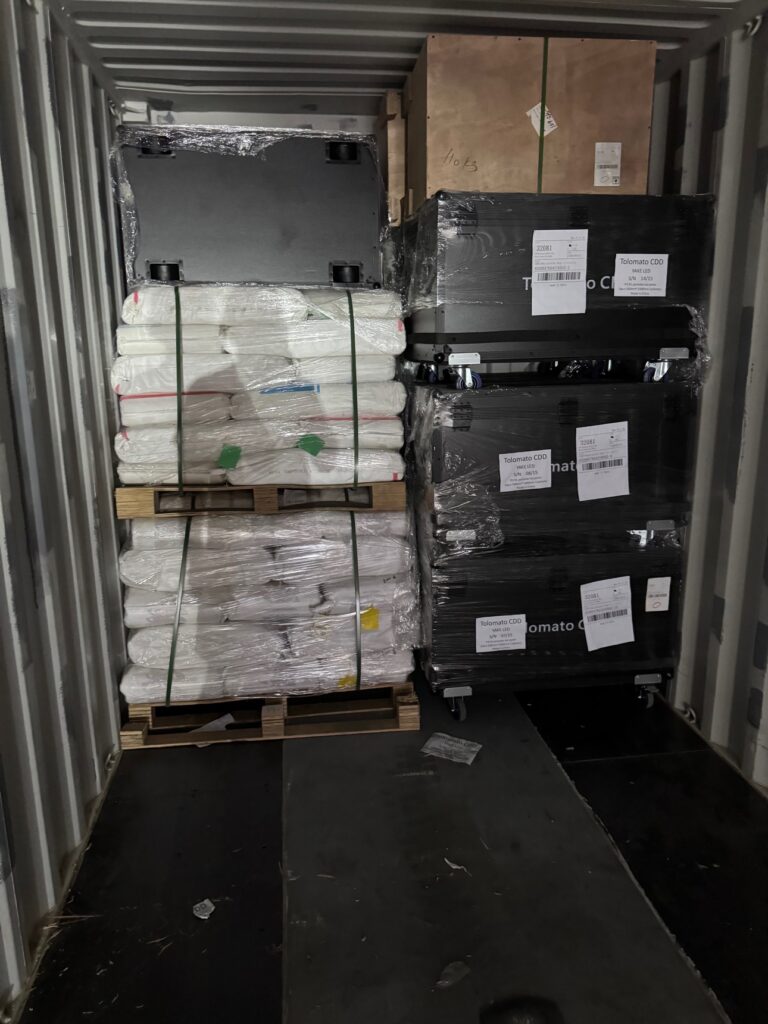
A split delivery is the most common way a short stay ends badly when it is not raised early, so raise it early. Every listed Arizona warehouse handles split delivery, but the warehouse can only quote the real job if it knows the full scope before the freight arrives.
Spell out the whole split in the first message: each place the freight is going, and how many pallets go to each one. A load that splits to three receivers is three pulls, three sets of paperwork, and sometimes three trucks. Each one belongs in the quote request, because each one is work the warehouse has to plan for.
The warehouse can book the outbound trucks, or you can book them yourself. Either way works. Say which one you want in the first message so the warehouse prices the right scope. The outbound leg is priced by the truckload or by the pallet, and which one applies comes down to the load and the warehouse’s own rate setup. If you are booking your own trucks, give the warehouse the pickup dates as soon as you have them, so the crew can have the right pallets at the dock when each truck arrives.
What the quote is built from
There is no published Arizona rate for a short stay, and no single figure covers every load. The warehouse’s quote for your freight is the only number worth budgeting from. It breaks into storage for the time the pallets sit and handling for everything a crew touches, and six things move the total.
Pallet count is where the quote starts. A stay of ten pallets and a stay of a hundred pallets are different jobs in space, handling, and floor planning. Count the pallets before you call, or give the warehouse enough detail to count them for you.
Whether the freight stacks is next. Pallets that stack take less floor than pallets that cannot, and a warehouse prices floor space it can stack differently from floor space it cannot. Say whether your pallets stack, and how high, if you know it.
How long the freight sits is the third piece. A stay of three days and a stay of three weeks are priced on different clocks. A firm end date helps here, for the same reason it helps with planning.
Intake labor is the fourth. Freight that arrives already palletized takes less crew time at intake than freight that arrives floor-loaded and needs building to pallets. Big, heavy, or odd-shaped freight needs more hands on it, and sometimes a different machine. State the freight type, the weight, and the dimensions up front so the intake labor is priced once, correctly.
Outbound pulls are the fifth. A full load going to one receiver comes off the floor in one pull. A split to several destinations means several pulls. Count every pull when you ask for the quote.
One piece shippers miss most in Arizona is the dray from the coast. The box came through LA or Long Beach, and the truck leg into Phoenix is part of the move. If the warehouse arranges the dray, ask it to price the whole job, not just the pallet time. The storage line is only part of what the invoice adds up to.
The message that gets a usable answer
Send these details with your first message:
- Arrival date and time window, live unload or drop trailer
- Trailer or container size, and whether the freight arrives floor-loaded or already palletized
- What the product is, and roughly how many pallets
- Weight and dimensions of the items, or an itemized pack list.
- Planned length of stay, and the receiver’s ready date or the range you are planning around
- Outbound plan: destinations, pallets per destination, who books the trucks
- Which port the box came through, and how it is getting to Phoenix
- Any special requirement, with the exact detail to confirm
Send the request directly to the warehouse. Plan on hearing back within a day of sending the request, and often sooner than that. A truck with no booked dock time should not leave.
Find short-term storage on the Arizona map
Open the Arizona find-a-warehouse map, then send the full request from the checklist above. The warehouses currently listed for Arizona short-term space sit in Glendale, Surprise, and Tolleson, all in the Phoenix West Valley on the I-10 corridor. The listing can change, so check the map and call to confirm floor space and services before you dispatch. The map is the starting point: Find a Warehouse in Arizona.
Questions about short-term warehouse space in Arizona
A truck that rolls in the morning can sometimes be on a pallet position by the afternoon, if the dock has an open slot. If not, the next morning is the usual fallback. Ring the warehouse first and pin down a dock slot before the driver leaves. Showing up with no booked time means waiting at the gate.
Most stays last days or weeks, and how long the pallets can stay depends on the warehouse and on your need, so confirm the limit with the warehouse. Minimum stays and storage charges are set by the warehouse. Ask for them in writing in the first reply.
There is no published Arizona rate for a short stay. Pallet count, whether the freight stacks, how long it sits, intake labor, outbound pulls, and the truck leg in from the coast each move the total. The warehouse’s written quote is the only figure worth budgeting from.
Usually, yes. Unloading floor-loaded containers and trailers and building the freight to pallets is standard receiving work. Send the container or trailer size and the load type with the request, and say which port the box came through.
Yes. Every listed Arizona warehouse handles split delivery, as long as the split is raised during the quote process so the warehouse quotes the proper scope of work. Spell out the whole split in the first message: each place the freight is going, and how many pallets go to each one. The warehouse can book the outbound trucks, or you can book them yourself. The outbound leg is priced by the truckload or by the pallet, and which one applies comes down to the load and the warehouse’s own rate setup.
Lead with the arrival date, the size of the container or trailer and whether the freight is floor-loaded or palletized, what the product is and how many pallets, how long you need the space, where the freight goes next, and which port the box came through. Include this line exactly: Weight and dimensions of the items, or an itemized pack list. Plan on hearing back within a day of sending the request, and often sooner than that.