
Start with the freight path, not the warehouse
A Texas cross-dock decision starts with where the freight is coming from, because Houston freight and Laredo freight do not behave the same way on a dock. A Gulf container lands at Port Houston and needs a short dray to a nearby building before its outbound appointments come due. A truck rolling north out of Mexico crosses at Laredo, then needs a sort on the I-35 corridor so it can keep moving toward Dallas-Fort Worth, San Antonio, or points beyond. Freight bound for inland distribution can also stage through Dallas-Fort Worth, where it gets broken down for regional delivery instead of sitting in a coastal building.
Pick the path first and the warehouse choice gets simpler. A building near the Houston terminals fits the container job. A building on the border corridor fits the northbound truck job. A Dallas-Fort Worth building fits the job where the freight has already traveled inland and now has to fan out. Name that path in your first message to a warehouse, because the crew, the door time, and the outbound plan all follow from it.
What the transfer actually is, in Texas terms
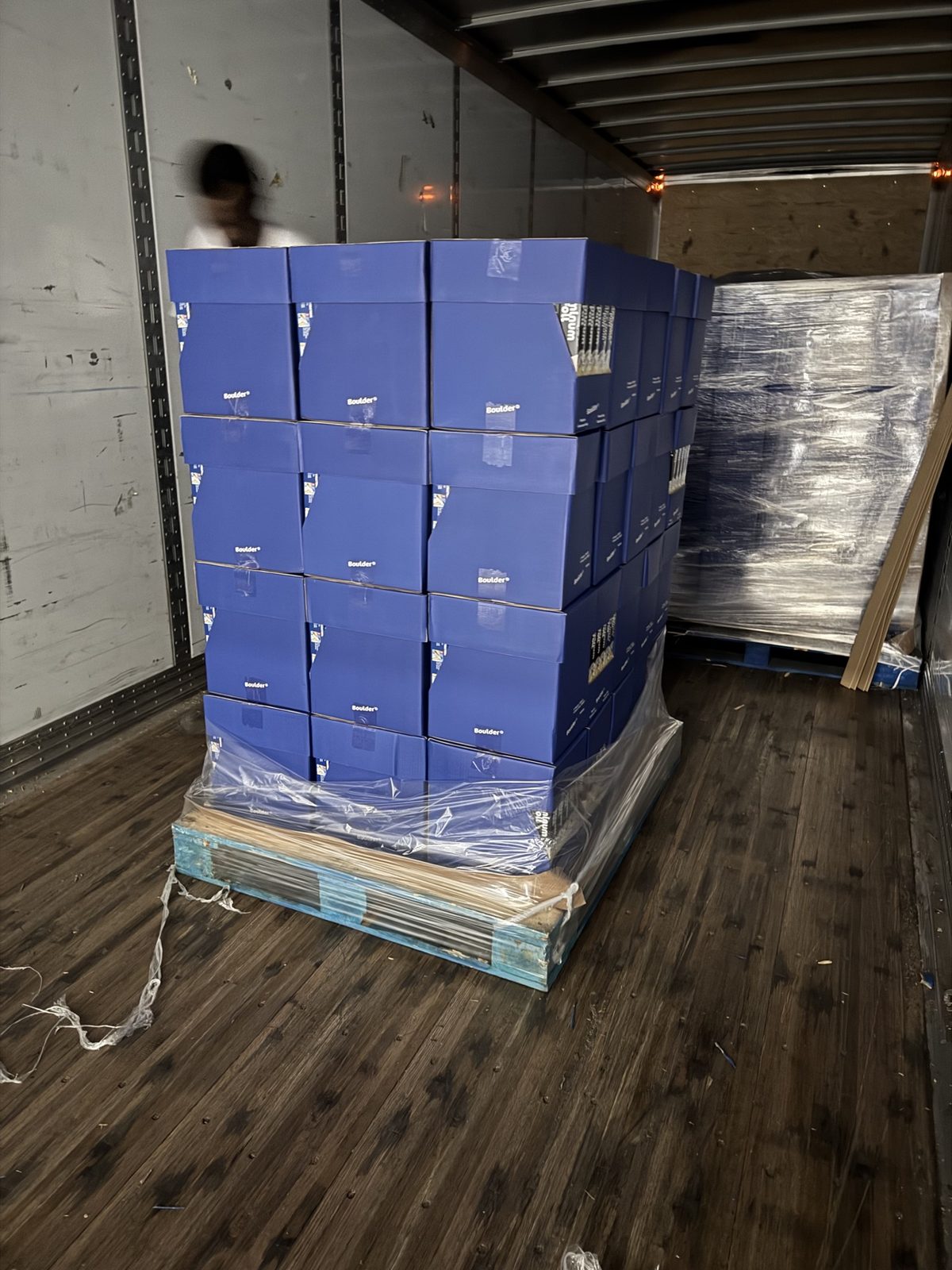
Cross-docking in Texas means freight comes off an inbound trailer or container and goes straight back out on outbound trailers, without a stay in storage. The handoff is the job. Freight does not get put away, picked later, and shipped on a different day. In ordinary practice the whole move lands inside a day, and a fast building can turn some loads in a few hours, but no listed Texas warehouse has promised any particular turn, so treat every timing claim as something to confirm with that building.
That no-storage point is what separates a cross-dock from short-term storage, where freight is held until a later ship date. It is also a different job from transloading, which changes how freight travels, for example from an ocean container onto domestic trailers. A single Texas visit can include both, with freight changing equipment and then moving straight out, but the cross-dock part is the transfer itself, not the equipment change and not the storage.
How long the unload takes depends on how the freight shows up. As an industry guide only, not a figure from any listed warehouse, a floor-loaded 40 foot container usually needs 3 to 5 hours of hand unloading, while a palletized container usually needs 30 to 60 minutes on a forklift. Once built out, a 40 foot container fills roughly 20 pallet positions and a 20 foot container roughly 10, so a warehouse can size doors and crews from those counts before the load arrives.
Houston, Laredo, and Dallas-Fort Worth do different jobs
Port Houston is the Gulf end of this page. In 2025 the port moved 4,303,345 TEUs, a record and 4 percent above 2024, alongside 54,491,066 short tons, up 3 percent. The Houston Ship Channel stretches 52 miles and stands as the nation’s largest port for waterborne tonnage. It holds 8 public terminals, and private terminals along it number more than 200. Its container work runs through Barbours Cut and Bayport, and Bayport gained Wharf 7 late in 2025. The new berth runs 1,000 feet and adds more than 500,000 TEU of capacity.
Laredo is the border end. The World Trade Bridge and the Colombia-Solidarity Bridge together process, on a typical day, 14,000 to 18,000 commercial trucks, and Laredo ranks as the busiest inland port in the US. FreightWaves put Laredo at about 39 percent of US-Mexico trade by value in an April figure. That volume is why the border corridor matters for cross-docking: trucks arrive in a steady stream, and a Texas building on the corridor can sort them and reload them northbound without a long inland deadhead first.
The roads tie the three places together. I-10 carries the east-west Gulf corridor through Houston. I-45 links Houston to Dallas. I-35 links Laredo through San Antonio to Dallas-Fort Worth. A Houston container, a Laredo crossing, and a Dallas-Fort Worth distribution run are three versions of the same transfer, done in three different spots for three different reasons.
For background on the wider Texas market, see Transloading in Texas.
One inbound load, several outbound doors
Splitting one inbound load across several outbound trailers is a normal Texas cross-dock job, and it is also the job most likely to go wrong if the scope stays vague. Breaking a large inbound shipment into smaller outbound loads is called deconsolidation. Building several smaller shipments into one larger outbound load is consolidation, the reverse move. Both happen on the same kind of dock, and both need the same discipline up front.
Whether the final stops are known before arrival changes how the dock runs. When every stop is set in advance, the crew can sort freight straight to the right outbound trailer as it comes off the inbound load. When stops are still being decided after arrival, freight waits on the floor while the shipper settles the plan, and that wait is where appointments start to slip. Settle the destinations before the load arrives whenever you can.
Every listed warehouse handles split loads, in the sense that split handling is standard across the listings, and you should still confirm the details with the building you pick. You can let that warehouse line up the outbound trucks, or you can book your own carriers and hand over the pickup details. How outbound is priced, by full truck or by pallet, turns on the load itself and on that warehouse’s own rate setup, so ask for the pricing basis with the quote.
Trailer count needs its own check before booking, because pallet count and weight decide it, not the container size alone. A loose-loaded 40 foot container, once built to pallets, can fill two dry vans by itself. The often quoted 3×40 foot into 2×53 foot conversion works only for lightweight palletized freight and should never be treated as a safe planning assumption. Heavy palletized freight weighs a dry van out before it cubes out, so get the trailer count from the warehouse once pallet counts and weights are known.
The packet a warehouse needs before your load arrives
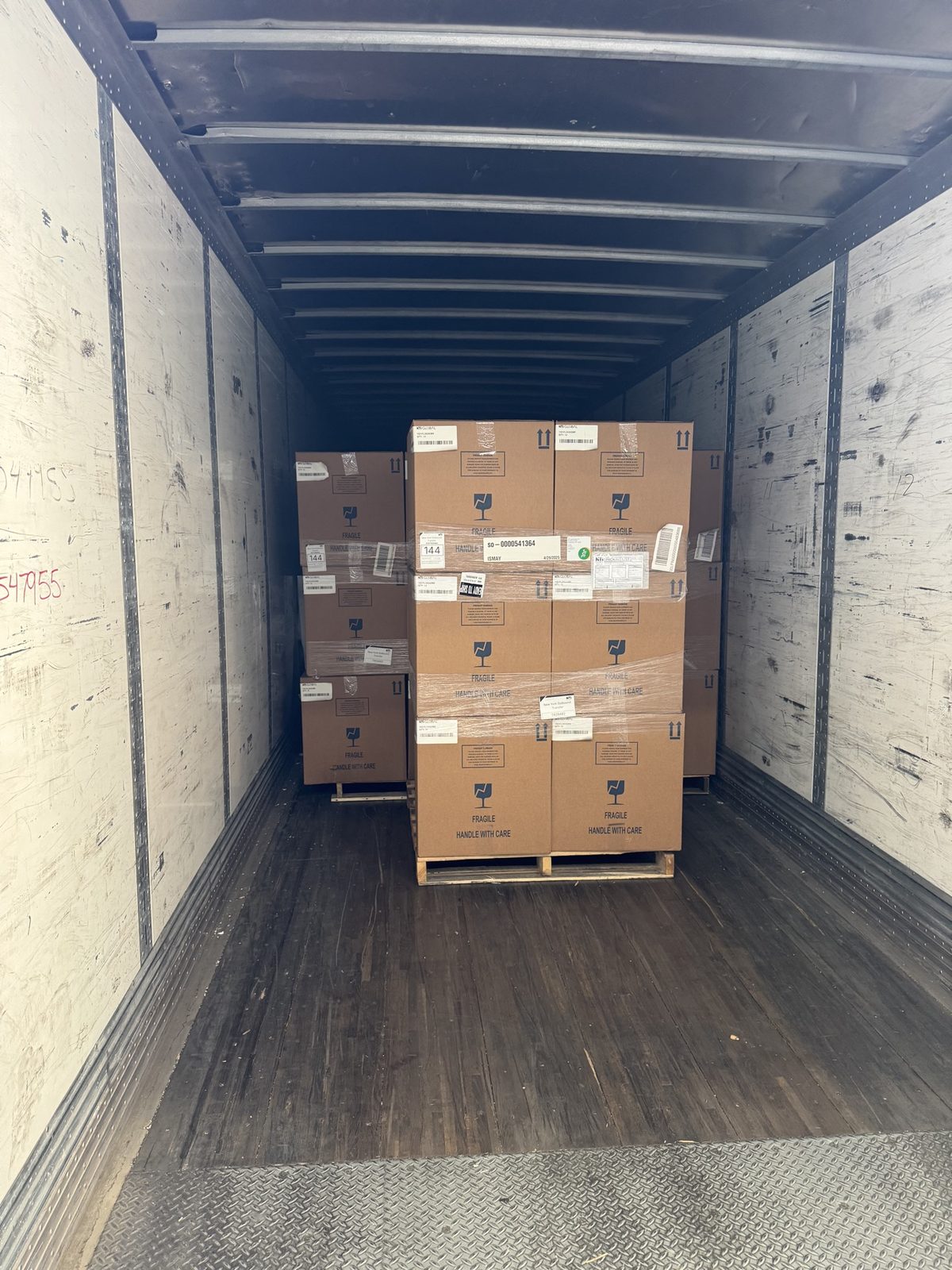
Send the warehouse a full packet before the freight arrives, so the crew can plan doors, labor, and staging instead of improvising on arrival day:
- Inbound equipment and arrival details.
- Pallet counts and dimensions.
- Weight and dimensions of the items, or an itemized pack list.
- Outbound destinations, with pallets per destination.
- Delivery appointments for each outbound stop.
That packet matters most on a split load, where a missing destination means a trailer gets loaded wrong or a stop gets missed entirely. Two more points belong in the same message: whether the building takes live unloads or drop trailers, and whether your load meets its minimum size. Floor-loaded handling and palletized handling also differ from building to building, so confirm those points with the warehouse before you book rather than assuming them.
When the outbound truck misses its window
No Texas cross-dock publishes one shared procedure for a missed outbound window, so settle the question before the load is committed. Ask where the freight sits if the truck does not arrive, who watches it while it waits, how a missed slot gets rebooked, and what a short hold costs in general terms. Get those answers in writing from the building you are using, because each building answers them its own way and each situation changes the answer.
Do not count on freight simply waiting free of charge while a new appointment is found. Equipment charges and any storage fees keep ticking on separate schedules, and a missed window can still cost money even when the warehouse is willing to hold the load. Tell the warehouse early when timing slips, and keep the receiver in the loop too, because a quiet delay turns into a refused delivery faster than a disclosed one.
Two clocks make the stakes concrete, and both run whether or not the freight is moving. As a national guide only, not a Texas warehouse figure, demurrage runs about 4 days of free time and then $200 to $400 a day, with per diem at $75 to $200 a day. Confirm the numbers for your load with your warehouse and carrier, since your contract terms govern, not this page.
Do not roll in without an appointment. Advance booking is the norm at most warehouses, and live drop rules, lead times, and appointment procedures differ from one building to the next, so confirm them for the building you pick.
What moves the quote when no rate is printed
This page prints no Texas rate, and no rate should be read into it. A quote for a cross-dock job turns on the work itself: how many pallets are handled, how many handling steps the transfer needs, how fast the turn has to be, and how many outbound trailers a split load fills. Sorting work and labeling, when it is part of the transfer, count as handling steps in that quote. Whether freight arrives palletized or loose-loaded, and how many units get touched, also shape the number.
Treat any dollar figure you find elsewhere with care, because it may reflect what the job costs the warehouse rather than what you will be charged. Get the quote basis in the reply, compare it against the packet you sent, and check that every destination and every pallet made it into the number.
Find a Texas cross-dock warehouse on the map
Start with the Texas warehouse directory and map, and look near Houston, the Laredo corridor, or Dallas-Fort Worth depending on your freight path. Check cross-dock service, timing, and split handling with the building itself before you commit anything. No single warehouse is named here, so use the map filters for cross-dock service, then confirm that service with each listing yourself before you commit a load.
Frequently asked questions
Cross-docking moves freight off an inbound trailer or container and straight onto outbound trailers, without a stay in storage. Storage, by contrast, holds freight until a later ship date. If your freight needs to sit for days before shipping, that is a storage job, not a cross-dock, even when the same building does both.
In ordinary practice the transfer lands inside a day, sometimes in a few hours, but no listed Texas warehouse has promised that turn. Check timing and booking lead time with the building before your freight arrives, and ask what the building needs from you to hold a same-day or next-day slot. Availability on the day decides it.
Send the packet the warehouse needs to plan doors and crews: inbound equipment and arrival details, pallet counts, outbound destinations, and delivery appointments. Weight and dimensions of the items, or an itemized pack list. On a split load, send every destination with pallets per destination, and confirm live-unload or drop-trailer acceptance, minimum load sizes, and floor-loaded or palletized handling before you book.
Yes, split handling is standard across the listed warehouses. A large inbound shipment can be broken down into several smaller outbound loads for different stops. You can let the warehouse line up the outbound trucks, or book your own carriers, but send every destination with the quote request so the outbound plan is built on the full scope.
Settle it before you book, because no Texas cross-dock publishes one shared procedure for this. Ask where the freight sits, who watches it, how a missed slot gets rebooked, and what a short hold costs in general terms. A missed window can still cost money, since equipment charges and storage fees keep ticking on separate schedules, so tell the warehouse early when timing slips.
Pick a warehouse from the Texas map and send your request straight to that warehouse, with your inbound details, outbound destinations, and delivery appointments included. That warehouse answers direct, as soon as possible, and in normal practice inside 24 hours. If the building cannot meet your timing, find that out before the freight is committed.