What pallet restacking means
Pallet restacking is corrective handling that stabilizes and re-secures a shifted or leaning load so it can be safely unloaded, stored, and delivered. In California that work centers on the San Pedro Bay ports of Los Angeles and Long Beach, which handled a combined total of about 20.1 million TEUs in 2025. With that much freight moving through two ports, a shifted load near Los Angeles or Long Beach is a volume problem, not a rare one.
Your load shifted, the receiver said no, and the clock is running
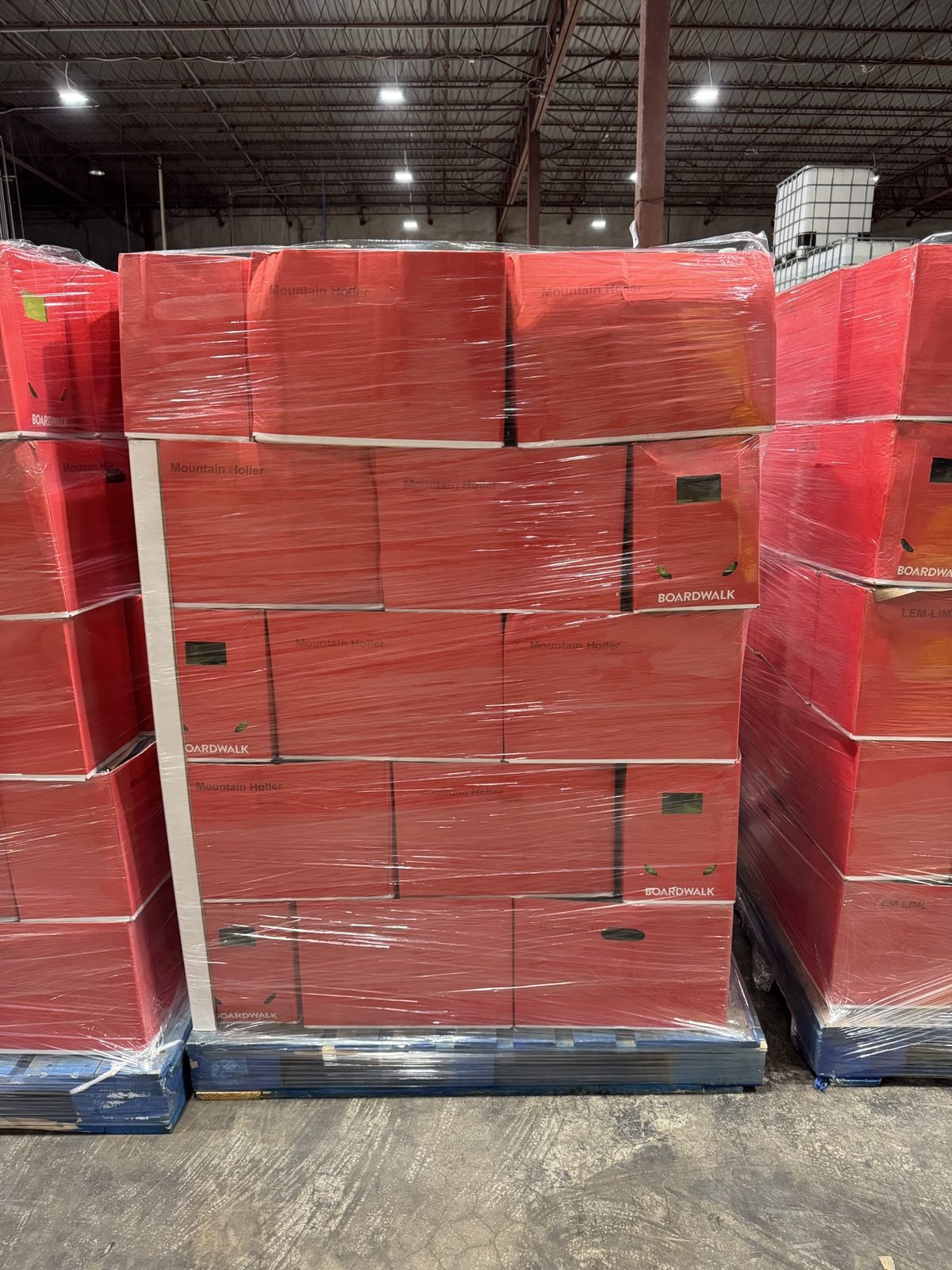
Your driver arrived with a shifted or leaning load, and the receiver refused it or flagged it as unsafe to unload. Now the driver is stuck, the freight cannot be delivered as-is, and detention or per-diem costs keep climbing while you look for a warehouse that actually takes restack work. The fix is usually close by, in the warehouse belt around the San Pedro Bay ports: a nearby warehouse restacks the pallets into a stable, receiver-ready load so the delivery can still go out.
Find a California warehouse on the map and send a quote request. That is the fastest next step, rather than calling around blind.
Why restack work clusters around Los Angeles and Long Beach
Los Angeles and Long Beach together make up the San Pedro Bay Port Complex. The Port of Los Angeles handled 10.2 million container units in 2025, and Long Beach closed the year with a record 9,881,595 TEUs processed.
Near-port warehouse clusters sit in Carson, Wilmington, Compton, Mira Loma, and the Inland Empire West. Those facilities can receive ocean containers within hours of pickup, which matters when a driver is already sitting with a refused load.
The Alameda Corridor, a 20-mile freight rail expressway, links the ports to the BNSF and Union Pacific mainlines. From there the warehouse belt reaches inland to Ontario, about 60 miles from the ports on I-10, I-15, and CA-60. That reach gives you options beyond the port fence, without sending the truck far inland to fix a load.
For the wider picture of how freight moves through the state, transloading in California.
What a restack job actually involves
A typical restack rebuilds pallets into stable, compliant unit loads. The crew replaces broken pallets and adds wrap, straps, and corner boards to re-secure the product.
It usually starts with one of these:
- Leaning, fallen, or collapsed pallets
- Loads refused or rejected at the receiver
- Broken pallets
- Torn stretch wrap
- Damaged corner boards
If your load matches any of those, a restack is the job to ask for, not a second delivery attempt with the same unstable pallets.
- Check in and record the seal and initial condition.
- Reworks normally happen inside the trailer, because shifted pallets cannot be safely moved. A standard rework covers the full load, not just the worst-looking pallets.
- Rebuild pallets into stable, compliant unit loads matching the original configuration, replacing broken pallets and adding wrap, straps, and corner boards.
- Confirm the load is receiver-ready and proceed to holding, redelivery, or split delivery as arranged.
Confirm specific requirements with the warehouse before beginning. A standard restack normally rebuilds a pallet from its existing configuration to a new pallet that matches the original configuration. Banding is extra and should be addressed during quoting. Tell the warehouse any specific requirements, such as photos and how to handle damages.
Restack work normally happens inside the trailer
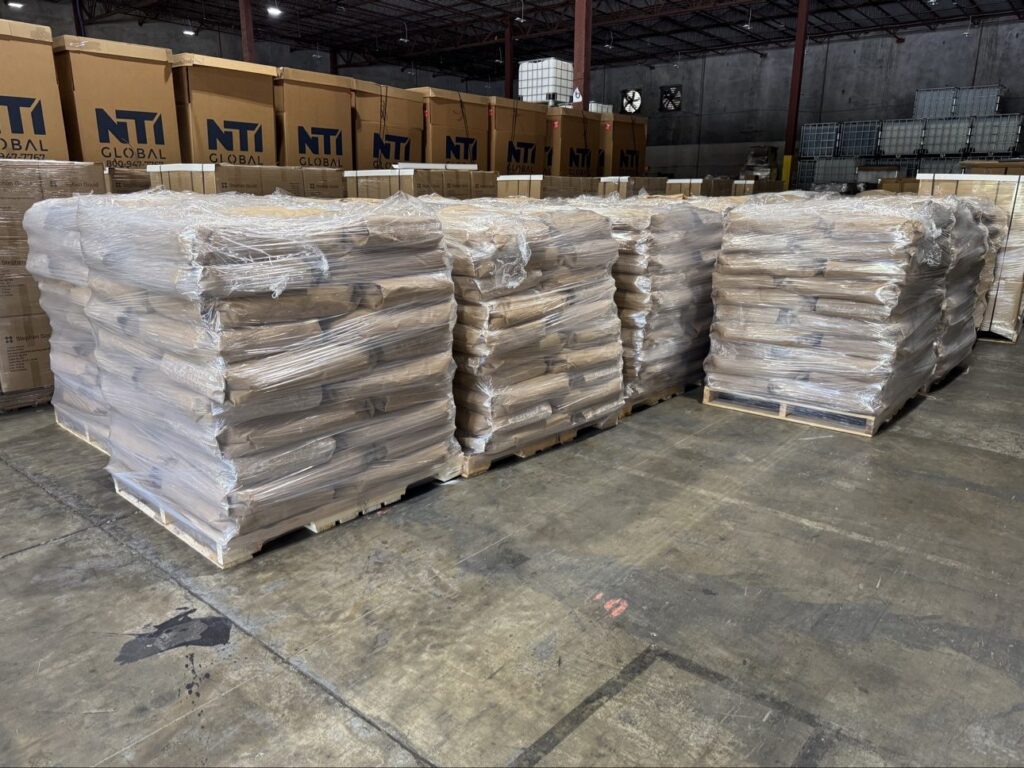
Reworks normally happen inside the trailer, because shifted pallets cannot be safely moved. When the truck arrives, the warehouse evaluates the load, then reworks the full load — not just the worst-looking pallets — back into stable, receiver-ready pallets. Photos and a pallet estimate follow if requested.
The invoice is issued and must be paid in full before the driver is released with the corrected freight. Repeat clients may work on normal payment terms.
What to send so a warehouse can quote and schedule the job
Send the bill of lading, a short description of the issue, and photos of the shifted load if available. At check-in, the warehouse records the seal and initial condition.
For a rejected load, also send:
- Location
- Commodity
- Trailer type
- Pallet count
- Weight
- Rejection reason
- Visible damage
- Destination
That list is what lets a warehouse quote and schedule the job without a round of back-and-forth while the driver waits.
Photos help with quoting and check-in, but no warehouse rule says every job needs them. Ask the warehouse you contact whether it wants them before the truck arrives.
Most warehouses need advance appointments, and lead times plus live-unload versus drop-trailer options differ from one warehouse to the next. Confirm them in your quote request. Contact the warehouse directly to confirm availability. Most warehouses can accept within 24 hours, and some may be able to take same-day loads. Confirm any load types the warehouse will not take before sending the load.
What determines what a restack costs
There is no single California restack rate. Price depends on your load and the warehouse, including pallet and carton count, sort and handling scope, and how fast you need the turn.
Send that checklist and get a quote directly from the warehouse, rather than budgeting from a published rate. For restacks, call the warehouse directly to fast-track the process.
No exact rate appears on this page, because no single rate would be honest for every load and warehouse.
After the restack: holding freight, redelivery, and split deliveries
Restacks are normally reloaded back onto the original trailer with no storage. If you need storage and redelivery, let the warehouse know. Confirm hold terms with the warehouse you choose; they are not the same everywhere. TransloadNow warehouses do not offer a blanket guarantee, but some warehouses, like Warehousing Etc in Tampa, offer a restack delivery guarantee.
All listed California warehouses handle split deliveries. Explain the full scope when you contact the warehouse: which destinations, and how many pallets go to each. The warehouse may arrange the outbound trucks, and you may also arrange your own. Outbound pricing may be per truckload or per pallet, depending on the load details and the warehouse’s rate structure.
Find a California warehouse on the map
Find a California warehouse on the map and send the quote request with the checklist from the quote section: bill of lading, description of the issue, photos if available, pallet count, weight, rejection reason, visible damage, and destination. You pick from the listed California warehouses. No single warehouse is featured or recommended here.
Frequently asked questions
Find a California warehouse on the TransloadNow map near the San Pedro Bay ports. Near-port warehouse clusters sit in Carson, Wilmington, Compton, Mira Loma, and the Inland Empire West. Send the warehouse your pallet count, photos of the shifted load, and the rejection reason so it can quote and schedule the job.
Turnaround varies by warehouse and by the job. Most warehouses need advance appointments, but most can accept within 24 hours, and some may be able to take same-day loads, so contact the warehouse directly to confirm availability. Send the bill of lading, a short description of the issue, photos if available, pallet count, weight, and the rejection reason.
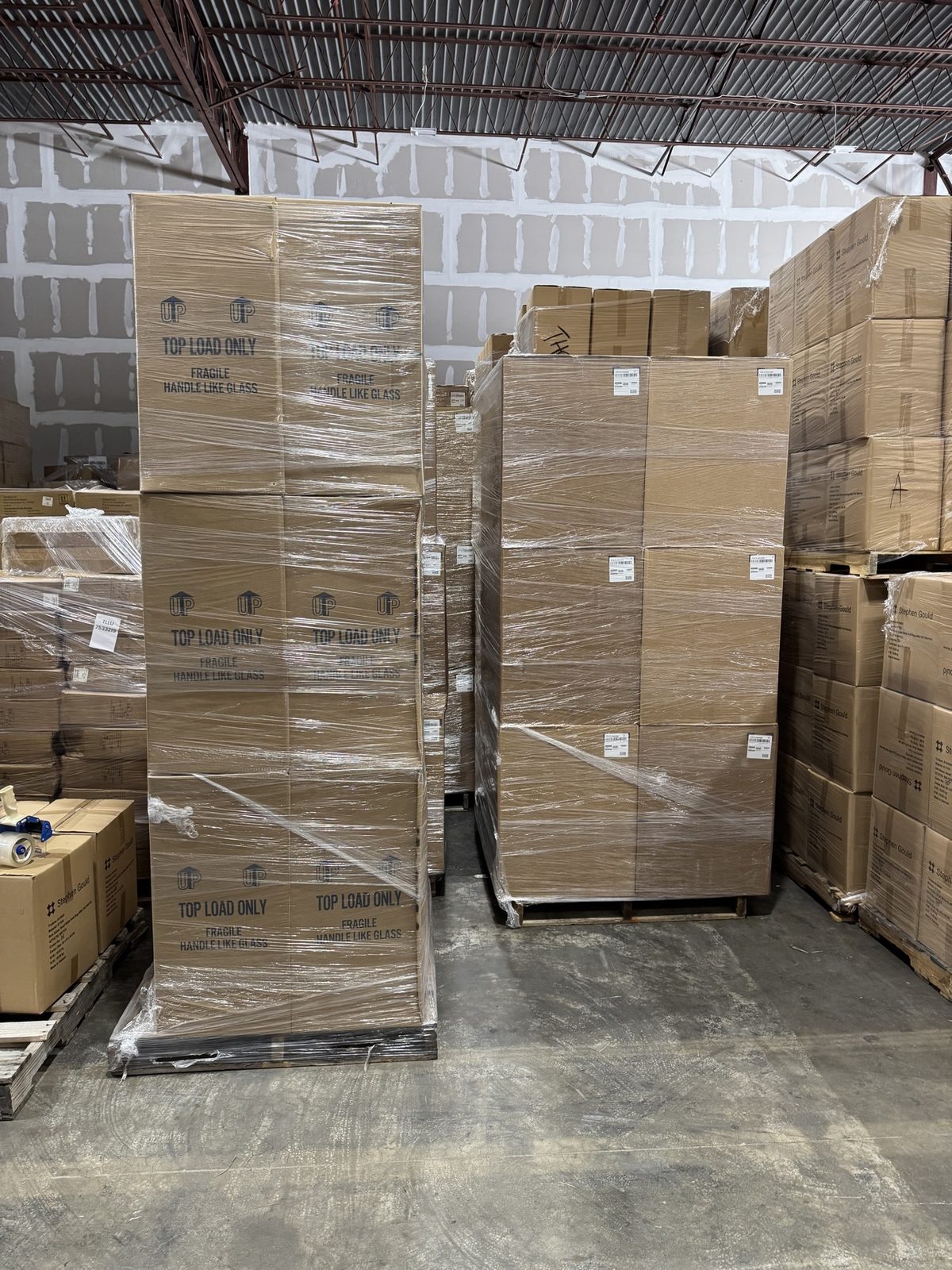
A typical restack rebuilds pallets into stable, compliant unit loads, replaces broken pallets, and adds wrap, straps, and corner boards to re-secure the product. It covers shifted loads with leaning, fallen, or collapsed pallets, receiver-refused loads, and damage such as torn wrap or broken corner boards.
Photos help with quoting and check-in, and warehouses typically ask for the bill of lading, a short description of the issue, and photos if available. They are not a universal requirement, so ask the warehouse you contact whether it wants them before the truck arrives.
There is no single California restack rate, because price depends on your load and the warehouse, including pallet and carton count, handling scope, and how fast you need the turn. Send the full quote checklist and get a quote directly from the warehouse rather than budgeting from a published rate.
Restacks are normally reloaded back onto the original trailer with no storage. If you need storage and redelivery, let the warehouse know, and confirm hold terms and redelivery arrangements with the warehouse you choose, since they are not the same everywhere.
Yes. All listed California warehouses handle split deliveries, so explain the full scope when you contact the warehouse: which destinations, and how many pallets go to each. Outbound pricing may be per truckload or per pallet, depending on the load details and the warehouse’s rate structure.