Your container is booked in. Your outbound trucks are already on a clock.
Your container is on its way to Los Angeles or Long Beach, and your outbound appointments are already set. Any dwell or extra handling puts those deliveries at risk. Once free time ends, demurrage, detention, and per diem charges start to run. That timing problem is exactly what cross-docking is built to solve.
What cross-docking actually means for a port container
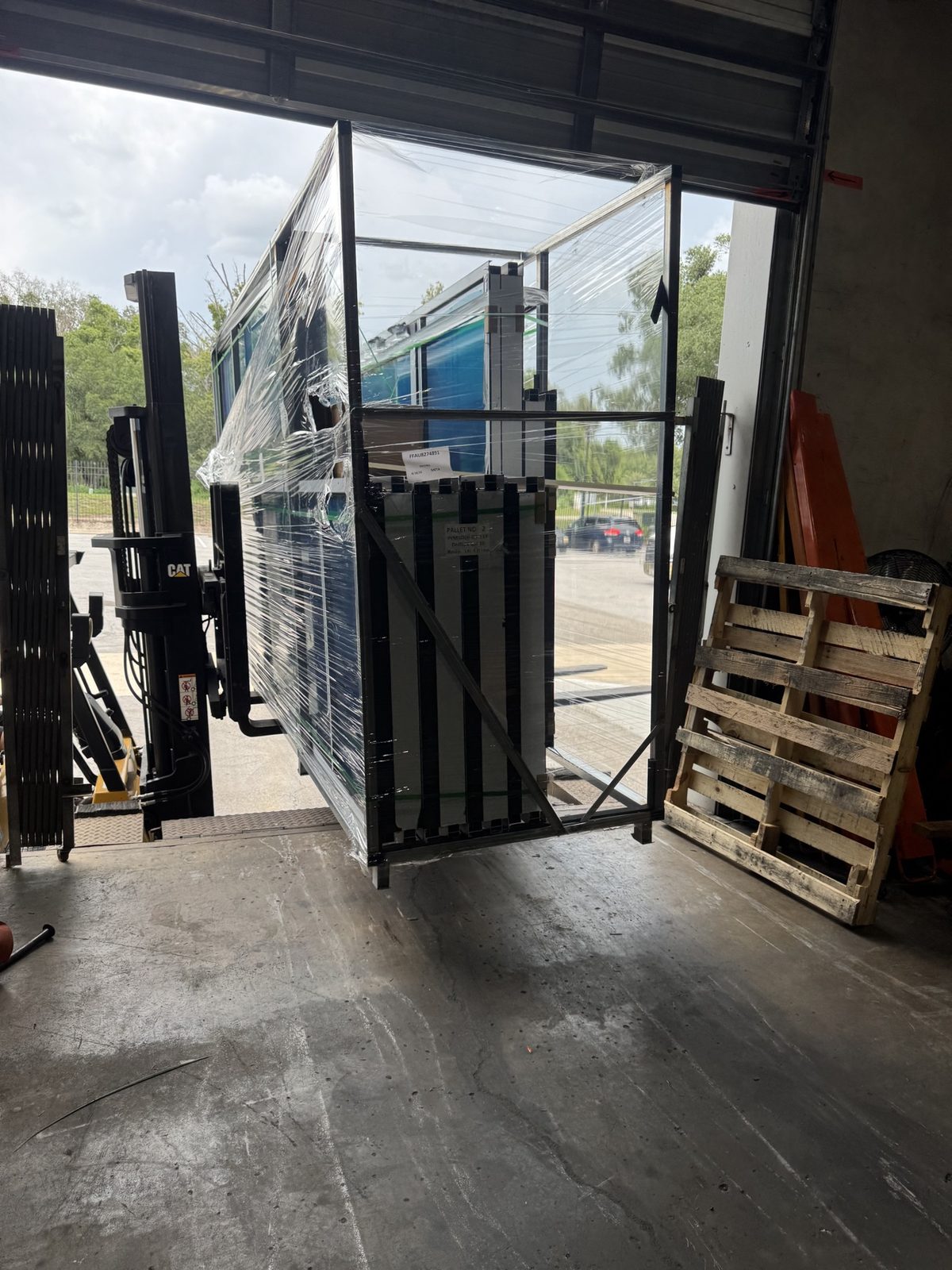
Unload the inbound container, sort the freight, and load it straight onto outbound trailers, with little or no storage in between. That is cross-docking. Receipt to shipping typically runs within 24 hours in general practice.
Traditional warehousing works the other way. Freight is received, unpacked, and stored for days, weeks, or even months before it ships. Cross-docking skips that storage step entirely.
Do not confuse it with transloading. Transloading moves freight between transport modes, for example from rail to truck. Cross-docking moves freight between vehicles without storage, typically within one facility. If your freight needs to keep moving, that distinction matters.
How a port container cross-dock runs, step by step
- The container arrives and the freight comes off.
- On the warehouse floor, freight is sorted by outbound order, route, or destination.
- From there it goes onto outbound trailers, without going into rack storage.
- Labeling and quick checks can happen during the transfer, according to a Southern California provider, without freight going into storage.
Cross-docking works best when inbound and outbound schedules can be synchronized, products arrive already sorted and labeled for customers, and demand is steady. Some operations turn freight in a few hours, but that is not a promise for any listed California warehouse. Contact warehouses for turnaround and lead times. Same-day and next-day appointments may be available based on capacity.
One container, several outbound trailers
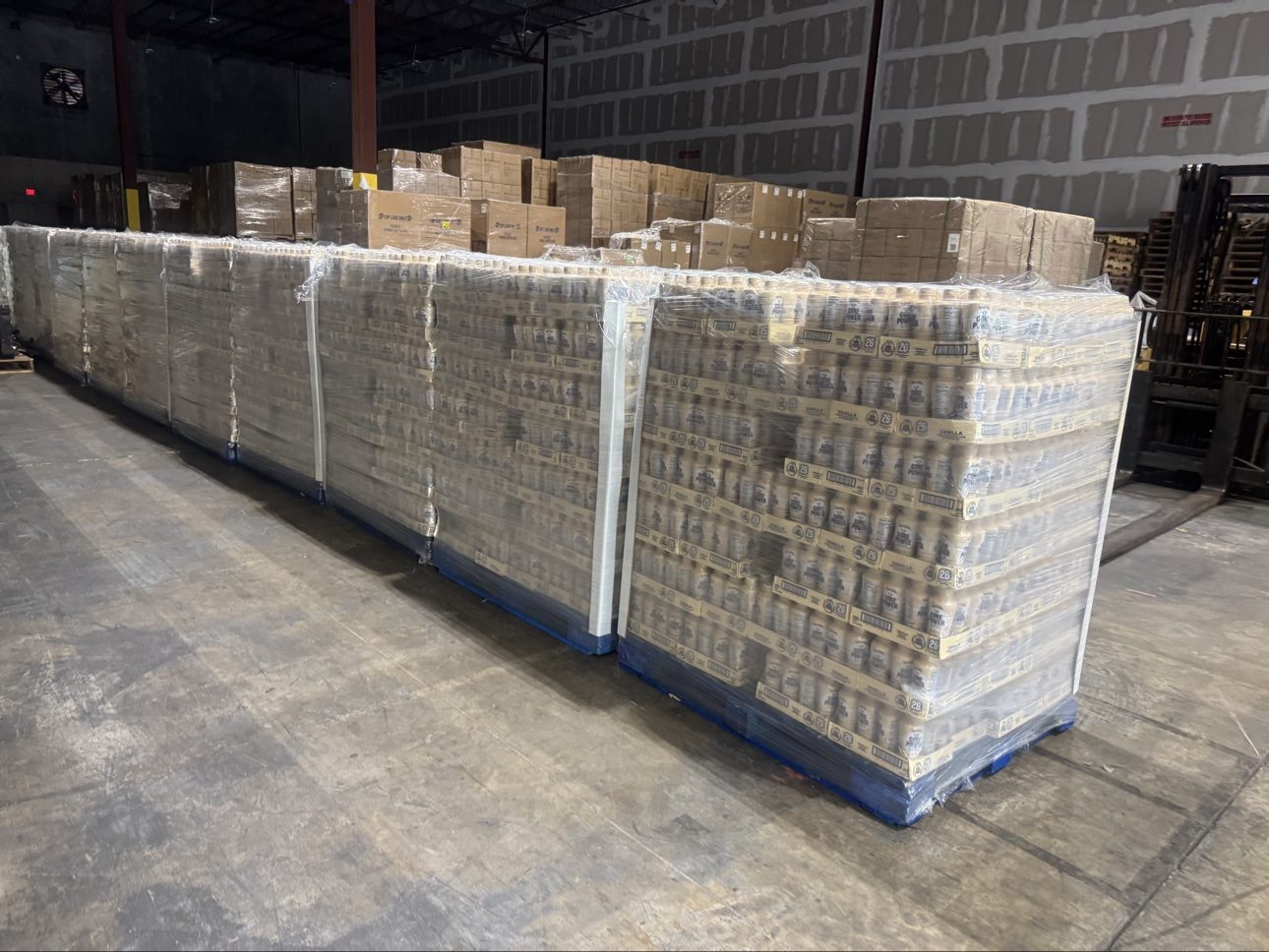
Deconsolidation breaks one large inbound shipment into several smaller outbound loads, for example splitting a full container across multiple local delivery trucks serving different locations. Consolidation is the reverse: combining smaller shipments into one larger outbound shipment.
Knowing the end customer before arrival changes the flow. With pre-distribution cross-docking, the end customer is known before goods arrive, so freight can be unloaded, sorted, and sent out immediately. With post-distribution cross-docking, the destination is decided after arrival, so freight sits briefly while the decision is made.
Explain the full split scope up front, including every outbound destination, or the outbound plan falls apart. All listed warehouses handle split loads. The warehouse may arrange the outbound trucks, but you are always welcome to arrange your own. Outbound pricing may be per truckload or per pallet, depending on the load details and the warehouse’s rate structure.
What to send the warehouse before your container arrives
Advance shipping notifications carry product quantities, dimensions, destinations, and arrival times. That information lets a facility plan staging and allocate resources, so send it before the container arrives:
- Container and arrival details
- Pallet counts and dimensions
- Weights
- Pack list
- Outbound destinations
- Delivery appointments
This matters most when one container will split across several trailers. Send the full scope before the container arrives.
The pre-arrival list above is confirmed. Live-unload versus drop-trailer acceptance, minimum load sizes, and floor-loaded versus palletized handling vary by warehouse, so confirm them with the warehouse before booking.
When the outbound truck is late or the appointment moves
There is no single standard answer for California cross-docks, so ask before you book:
- Who holds the freight if the outbound truck misses its window?
- How is a missed window rebooked?
- What does a short hold involve, in general terms?
Do not assume freight can simply wait at no cost. Storage and container charges run on their own clocks. Handling is specific to each warehouse and each situation, so ask before you book. Be transparent with the warehouse on timing, and be proactive to avoid unexpected fees.
Why this freight moves through Los Angeles and Long Beach
Together, Los Angeles and Long Beach form the San Pedro Bay port complex, which handled about 31 percent of U.S. containerized international waterborne trade in 2025. Los Angeles handled 10.2 million TEUs that year. Long Beach handled a record 9.9 million TEUs. Combined, the complex handled 20,120,913 TEUs for the year.
From the ports, I-710 (the Long Beach Freeway) and I-110 (the Harbor Freeway) are the principal freight routes toward inland railyards and warehouses.
One routing note, dated and not permanent: the Vincent Thomas Bridge (SR-47) closes fully from November 7, 2026 for a 16-month deck replacement, with traffic redirected mainly through I-710, I-110, SR-103, and Harry Bridges Boulevard. The Port of Long Beach also planned extra evening and Saturday gate hours for six weeks from late October 2026, excluding Thanksgiving week. Both are temporary, so check the dates before planning around them.
For background on the wider California market, see Transloading in California.
What drives the cost, when no exact rate is quoted
No exact rate appears on this page, and none should be read into it. What a warehouse quotes for a cross-dock job depends on factors such as pallet count, handling steps such as sorting or labeling during the transfer, speed of turn, and outbound trailer count when a load is split. Whether the freight arrives palletized or as loose-loaded boxes, and the number of units handled, also matter.
Treat any figure you see elsewhere with care: it may be the warehouse’s cost, not the price you will pay.
Find a California cross-dock warehouse on the map
Start with the California warehouse directory and map, look near Los Angeles and Long Beach, and confirm cross-docking service, turnaround, and split-load handling with the warehouse directly. This page names no single warehouse. Most listed warehouses offer cross-docking; filter the warehouse list for cross-dock service. Verify service with each listing before you commit a container.
Frequently asked questions
Cross-docking unloads freight from an inbound container and loads it straight onto outbound trailers, with little or no storage in between. Traditional warehousing receives freight and stores it for days, weeks, or even months before shipping. If your freight needs to keep moving, cross-docking skips the storage step entirely.
General practice runs within 24 hours, sometimes in a few hours, but no listed California warehouse has promised that turn. Confirm turnaround and appointment lead time with the warehouse before your container arrives. Same-day and next-day appointments may be available based on capacity. A same-day turn depends on synchronized inbound and outbound timing.
Send the details the warehouse needs to plan staging: quantities, dimensions, destinations, and arrival time, plus your outbound delivery appointments. Explain the full scope up front if one container will split across several trailers. That list covers what warehouses need to plan staging. Confirm live-unload versus drop-trailer acceptance, minimum load sizes, and floor-loaded versus palletized handling with the warehouse before booking.
Yes. All listed warehouses handle split loads. Deconsolidation breaks one large inbound shipment into several smaller outbound loads, such as multiple delivery trucks serving different locations. The warehouse may arrange the outbound trucks, but you are always welcome to arrange your own. Explain every destination when you request a quote.
No California cross-dock follows one published procedure for this, so settle it before you book. Handling is specific to each warehouse and each situation. Confirm who holds the freight, how a missed window is rebooked, and what a short hold involves. A missed window can still cost you, since storage and container charges run on their own clocks. Be transparent with the warehouse on timing, and be proactive to avoid unexpected fees.
Find a warehouse on the California map and send your request directly to that warehouse, with your container details, outbound destinations, and delivery appointments included. The warehouse replies as soon as possible, normally within 24 hours or less. If a warehouse cannot meet your timing, ask before the container is committed.