Your container is coming through Los Angeles or Long Beach and the receiver cannot take it yet. Or your own floor is already full from a seasonal surge, and the next load has nowhere to go. That is the moment short-term warehouse space in California earns its keep: a place for freight to wait, not a lease you carry for years.
Short-term warehouse space in California is per-pallet overflow storage near the ports, rented for as long as the client needs rather than under a multi-year lease. It exists because import volume through Los Angeles alone reached 1,042,652 total TEUs in September 2026, so a landed container often needs a place to wait before its final destination can take it. A warehouse receives the freight, holds it, and sends it onward once the receiver or the outbound trucks are ready. No building to lease, no crew to hire, just a place for the freight to wait until it can move on.
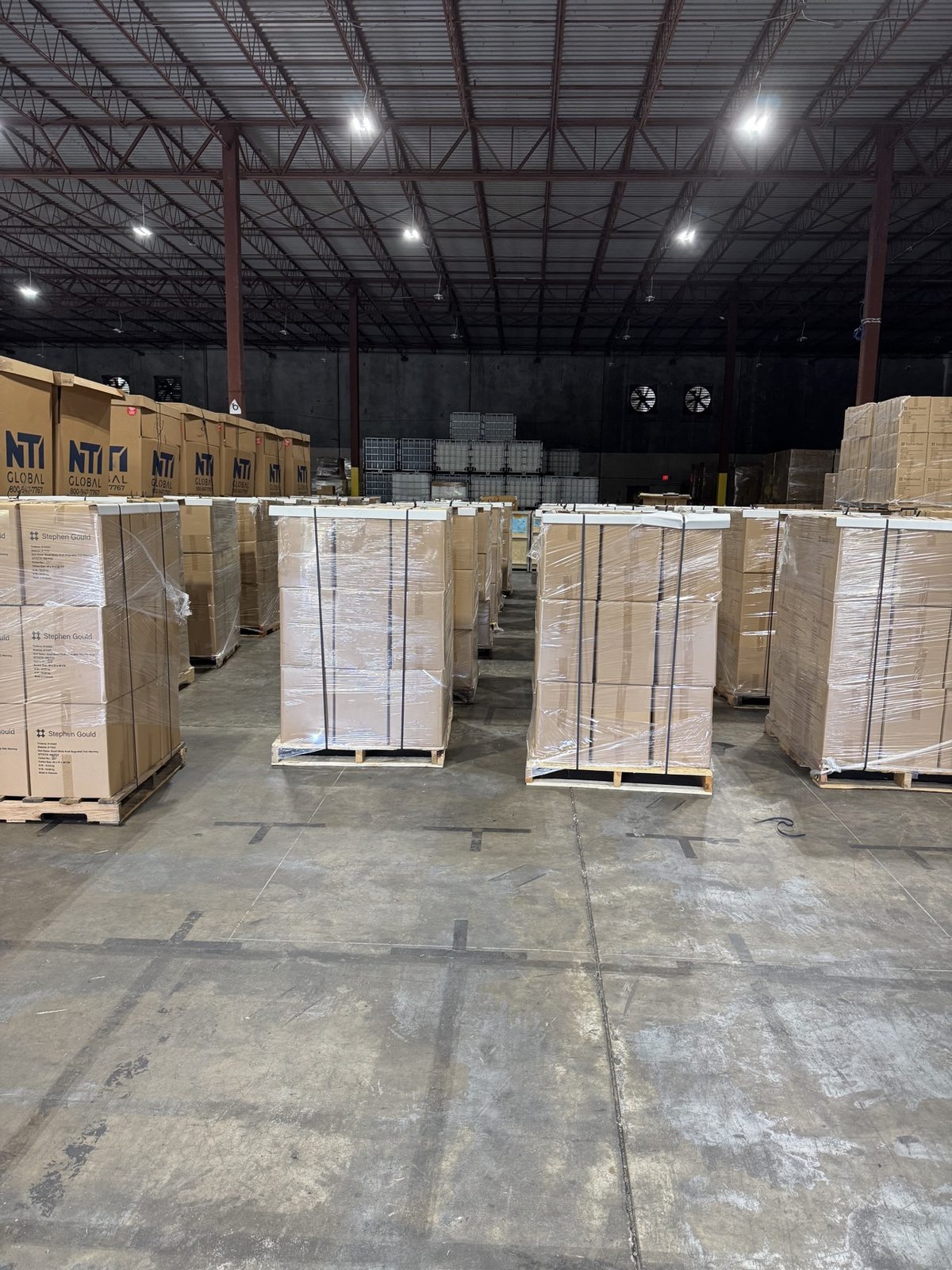
Your container landed and nowhere to put it yet
The trigger is usually plain. The receiver cannot take the container yet, the primary 3PL is at capacity, or a seasonal surge filled your own floor. Any one of those leaves freight with no home, and the truck still has to go somewhere.
That volume is why this happens so often. The Port of Los Angeles handled 1,042,652 total TEUs in September 2026, and the Port of Long Beach ended 2025 with a record 9,881,595 TEUs. When that much freight moves through the San Pedro Bay ports, a landed container waiting for its final destination is normal, not an exception.
The job for short-term space is simple. Give that freight a place to wait, then send it onward. Not a lease. Not a new building. A hold with a way out.
What short-term space means, and what it does not
On-demand warehousing means renting space and services short term, priced per pallet or per month, without a traditional multi-year industrial lease.
A lease gives you an empty building, and you supply the racking, labor, equipment, and software. On-demand pricing bundles those in and charges for the space and handling actually used, so you pay for what the freight needs, for as long as it needs it.
Most holds run days to weeks. Longer buffer stock can run into months. Either way the bill is per pallet for the time used, not for leased square footage. Hold durations depend on client need. Many warehouses offer 1 to 7 days of free storage; confirm free time and hold terms with the warehouse.
Where overflow space sits around Los Angeles and Long Beach
Port-adjacent overflow space clusters along freight corridors out of the San Pedro Bay ports, such as the I-710 corridor, and in nearby industrial cities such as Vernon and City of Industry, rather than at the terminals themselves. Proximity here means a workable dray from the port, not a building on port property. That short dray is the whole point of temporary warehouse space near Los Angeles.
If your freight comes through Oakland instead of San Pedro Bay, the same kind of hold applies up north. Oakland handled 2,253,976 TEUs in calendar year 2025.
Indoor pallet storage and outdoor container and trailer yards are different kinds of overflow. Gated yard space stages empty containers, drop trailers, and chassis. Indoor space holds palletized freight. Know which one you need before you ask for a quote, because they solve different problems.
All listed California warehouses take short-term or overflow freight based on availability, and all offer short-term storage. This page does not pick one warehouse for you.
How a short hold works, from intake to outbound
Step 1, intake. The warehouse receives the container and, where offered, unloads floor-loaded freight and palletizes it before storing it. That step turns a floor-loaded container into stock a forklift can move.
Step 2, hold. Freight sits as palletized stock for the agreed short period, not under a lease. The hold ends when the receiver can take it or the outbound plan is ready.
Step 3, split and send onward. Handling can include consolidation and deconsolidation by SKU, order, or destination. That sorting is how one container becomes several deliveries, done before the trucks arrive.
Step 4, onward movement. A short-term warehouse near the ports can hold freight and then ship it onward to a primary 3PL as capacity opens, or directly to customers. For port freight more broadly in the state, see transloading in California.
Appointment rules, lead times, and live-unload versus drop-trailer procedure are specific to each warehouse partner. Warehouses can do live unload and drop trailer; confirm the specific requirements with the warehouse before dispatch.
All listed warehouses handle split deliveries if needed. Explain the full scope when you contact the warehouse: which destinations, and how many pallets go to each. The warehouse may be able to arrange the outbound trucks, but you are always welcome to arrange your own. Outbound pricing may be per truckload or per pallet, depending on the load details and the warehouse’s rate structure.
What a warehouse accepts varies by facility, so check with each one before you commit the freight. Some partners can handle hazmat, reefer, or food-grade freight.
What drives the cost, without a rate card
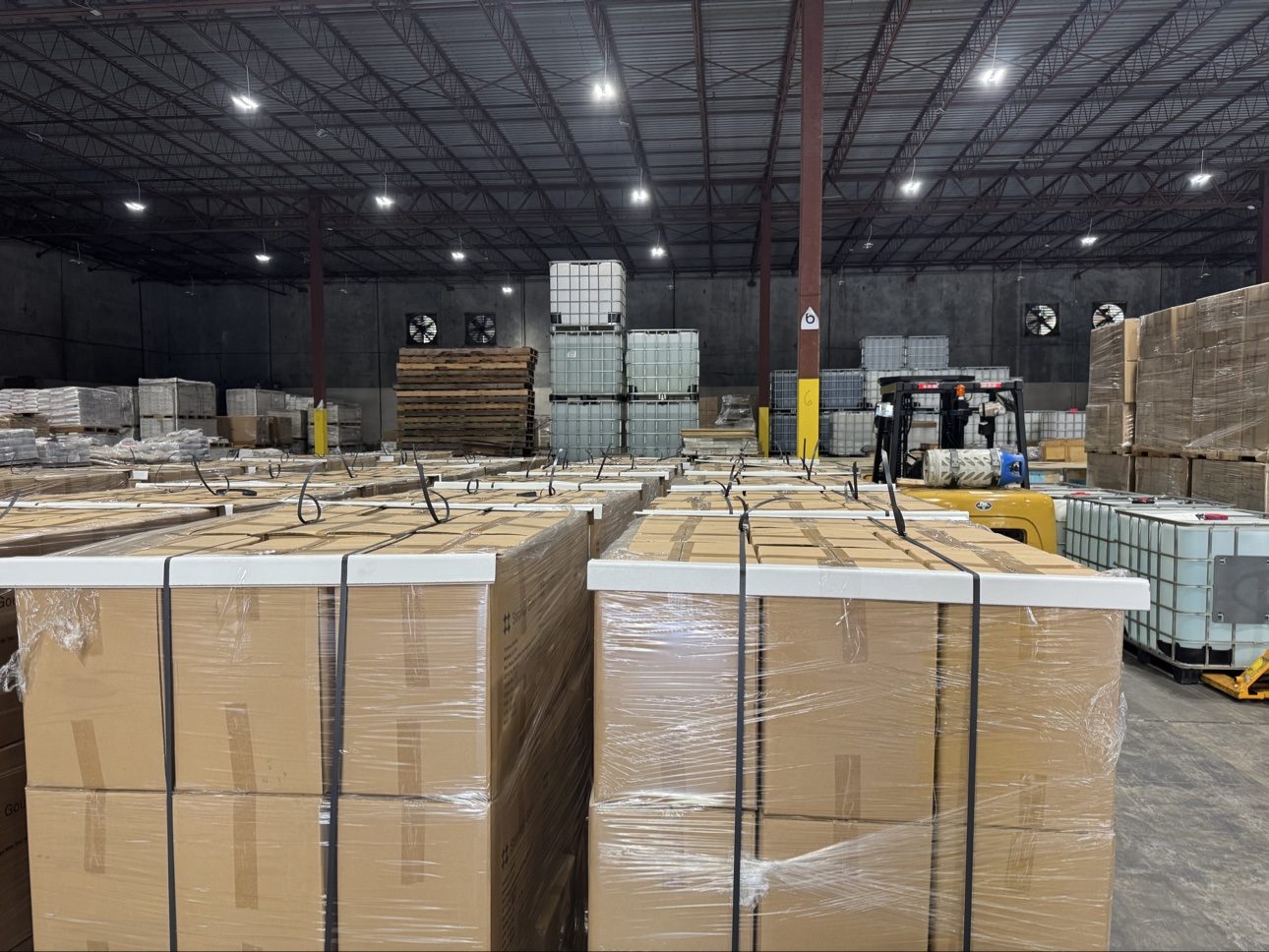
There is no single California rate, because short-term pricing has separate components. Storage plus transactional handling such as receiving, pallet in and out, and container unloading make up the invoice. The storage figure alone is not the full invoice.
Four things move the total: pallet count, how long freight sits, unload and palletize scope, and outbound handling. More pallets, a longer hold, a floor-loaded container that needs palletizing, and more outbound touches each add to the bill.
Location moves the bill too. The same inventory costs more in California than in lower-cost regions. A California quote is not a national rate, and one warehouse’s card is not a market rate.
Terms are negotiable, not take-it-or-leave-it. Inland Empire tenants were still getting flexible terms and concessions in Q3 2026.
The clock running while freight waits
Demurrage is the charge when a loaded import container stays inside the marine terminal after its free time ends. Detention and per diem cover time outside the terminal. Different parties bill each one, so do not lump them together.
That distinction is why speed matters. A short hold near the port gets the container off the terminal clock and into a building where the freight can wait on your schedule. Rates and free time vary by carrier, terminal, container type, and contract, so do not take any single table as the California standard.
How to find a California warehouse that takes short-term freight
Start with the California warehouse directory and map view. Compare listed warehouses on location, services offered, and intake timing, then send a complete quote request to the ones that fit.
Capacity varies by warehouse, including pallet position availability during peak import season. Contact the warehouse directly to confirm capacity before you commit the freight.
The California map filters to short-term and long-term storage, so you can narrow the directory to warehouses offering short-term space.
What to send to get a usable quote
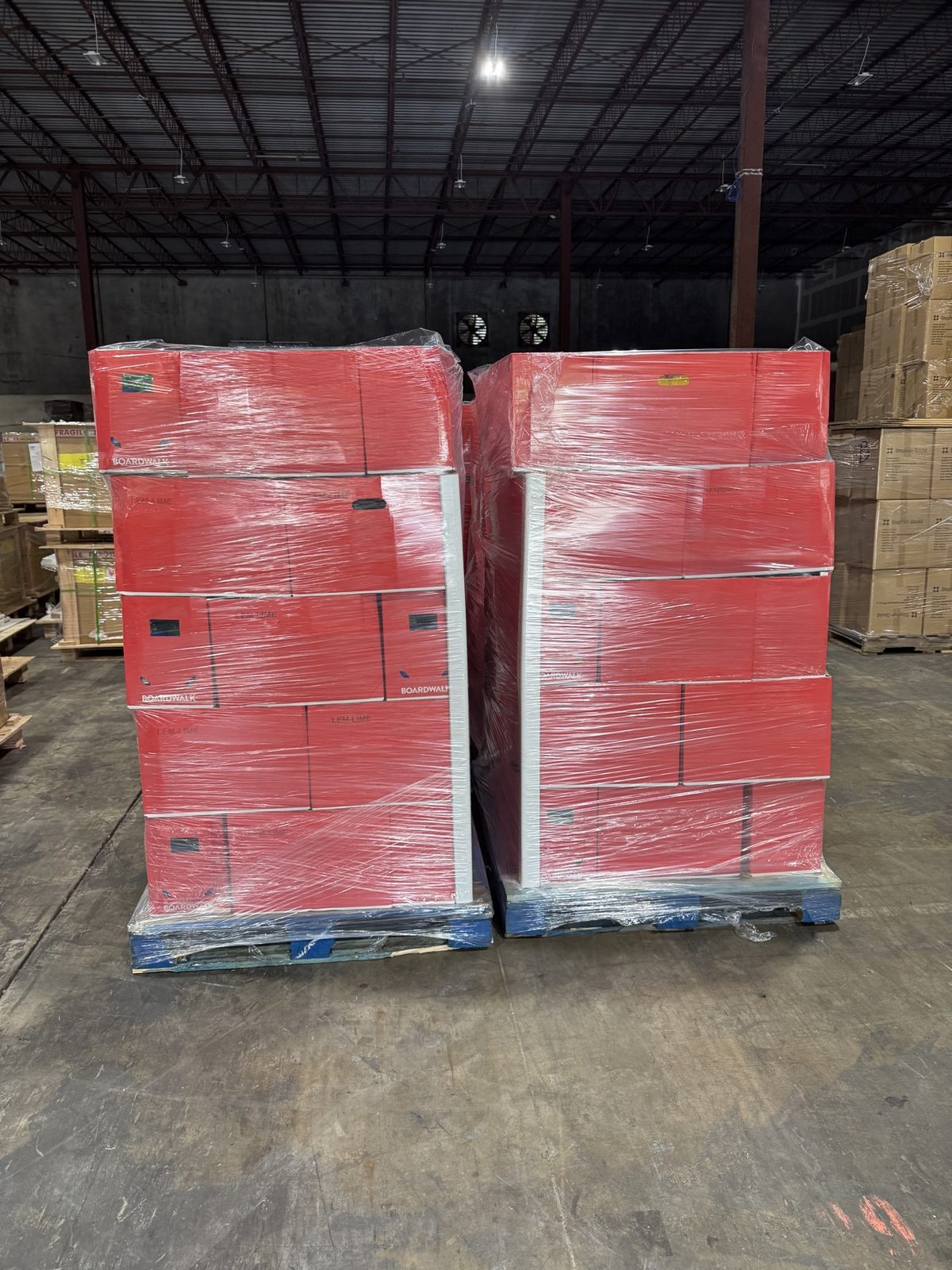
To quote short-term storage, a warehouse typically asks for pallet count, dimensions and weights, commodity, how long freight will store, and how often freight moves in and out. Add your arrival date and outbound plan to that list. Those details decide intake timing and onward movement.
Move-in speed varies by provider, and quoting speed is not the same as activation speed. Do not treat any single move-in time as a market guarantee. Confirm intake timing in writing before you dispatch the truck.
Quote requests go directly to the warehouse, which replies as soon as possible, normally within 24 hours or less.
The quote inputs are the same as the general list above; there are no additional directory-specific requirements.
Frequently asked questions
It varies by warehouse, and published examples range from about 48 hours to 5 to 7 business days. A fast quote does not mean fast intake, so confirm intake timing before you send the truck.
Short-term holds are commonly framed in days to weeks, with longer buffer stock running into months, billed per pallet for the time used. Hold durations depend on client need, and many warehouses offer 1 to 7 days of free storage. Tell the warehouse your expected hold length up front so an overrun does not surprise you.
Yes. All listed warehouses handle split deliveries if needed. Short-term handling can include consolidation and deconsolidation by SKU, order, or destination, which is how one container is sorted for several deliveries. Explain the full scope when you contact the warehouse: which destinations, and how many pallets go to each. The warehouse may be able to arrange the outbound trucks, but you are always welcome to arrange your own.
There is no one number for a short hold. Storage plus handling such as receiving, pallet in and out, and container unloading make up the invoice, and pallet count, hold length, and unload and palletize scope drive the total. Send those details with your quote request to get a usable figure from the warehouse.
Warehouses schedule intake, so do not send a container without confirming the appointment first. Appointment rules and lead times are specific to each warehouse partner, and warehouses can do live unload and drop trailer. Confirm the appointment window and arrival date in writing before dispatch.
Send pallet count, dimensions and weights, commodity, how long freight will store, and how often freight moves in and out. Add your arrival date and outbound plan, since those decide intake timing and onward movement. A complete request gets you a usable quote instead of a follow-up question.