Your container just landed at Los Angeles or Long Beach, and your receiver cannot take it as-is. Maybe the load is floor-loaded and needs palletizing. Maybe one container has to split across several deliveries. Either way, the box cannot sit at the terminal while you figure it out, because the clock on it keeps running.
Transloading in California means a warehouse near the port unloads your ocean container and reloads the freight onto domestic trailers or into short-term storage, so it can move inland instead of sitting at the terminal. In 2025 the San Pedro Bay ports of Los Angeles and Long Beach handled a combined total of about 20.1 million TEUs (twenty-foot equivalent units, the industry’s standard container count), which is why San Pedro Bay is the focus here.
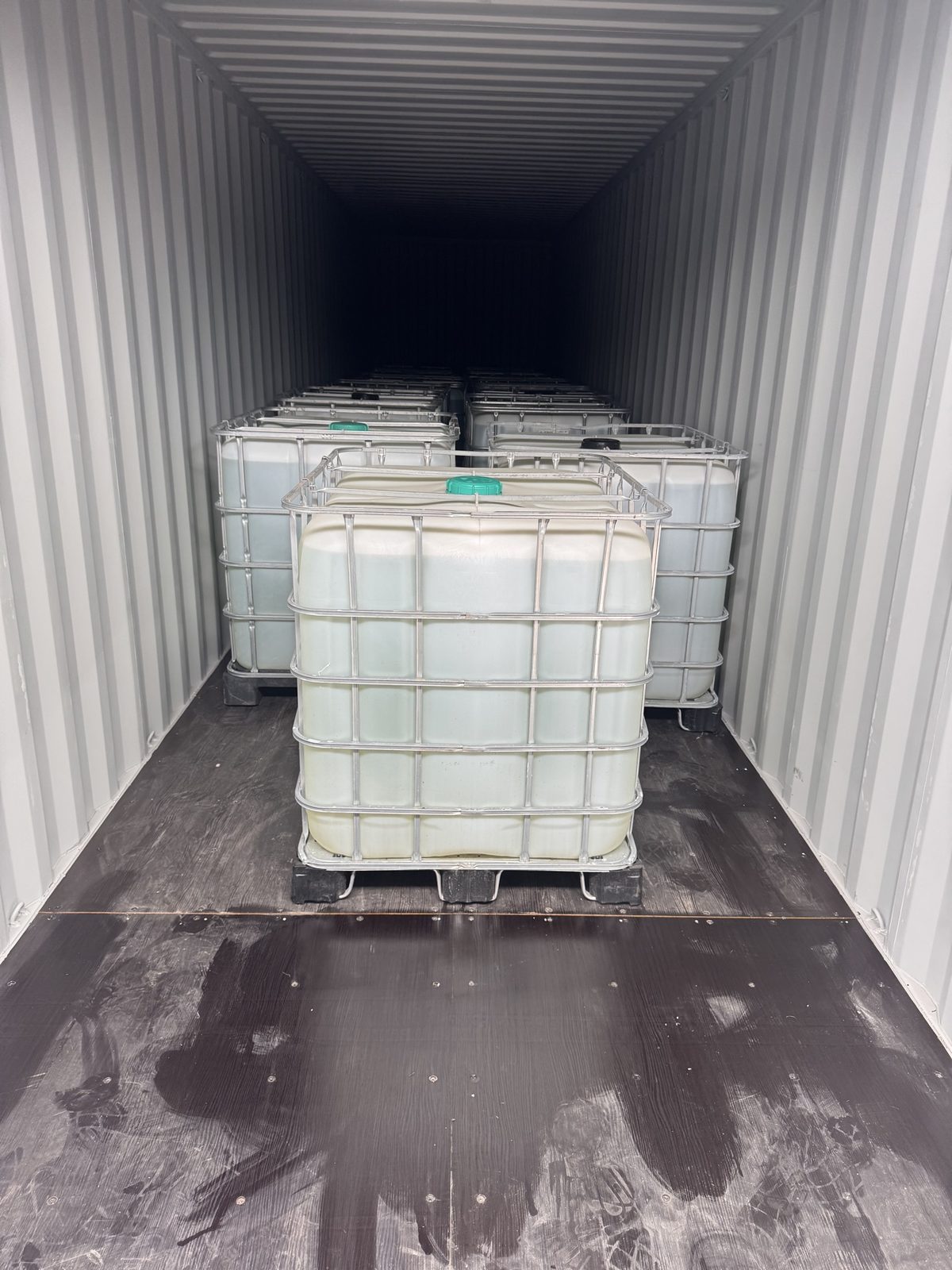
From ocean container to domestic trailer, near the port
A drayage carrier pulls your container from the terminal to a nearby warehouse. There, the crew unloads it, sorts the freight, and palletizes it. Then it goes back out on domestic trailers, or into short-term storage until your customer is ready.
San Pedro Bay is the focus here because that is where the volume lands, and where near-port warehouse capacity clusters. Oakland, the other California gateway, gets its own comparison below.
Why so much freight funnels through Los Angeles and Long Beach
Los Angeles and Long Beach work as one complex, not two separate ports. Together they form the San Pedro Bay port complex, the largest port complex in the Western Hemisphere and the busiest in the United States.
Here is the scale. The Port of Los Angeles handled 10,239,318 TEUs in calendar year 2025. The Port of Long Beach ended 2025 with 9,881,595 TEUs processed, a record for that port. Added together, that is about 20.1 million TEUs moving through one complex in a single year.
Off-dock warehouse clusters grew up around that volume. Facilities in Carson, Wilmington, Compton, Mira Loma, and the Inland Empire West can receive ocean containers within hours of pickup, unload them, and reload freight into 53-foot domestic trailers for inland distribution. That proximity is the point. The warehouse sits close enough to the terminal that the container does not travel far before the freight gets sorted and reloaded.
The Alameda Corridor is part of the same picture. It is a 20-mile freight rail expressway connecting the ports of Los Angeles and Long Beach with the transcontinental mainlines of BNSF Railway and Union Pacific Railroad. Not every transload touches rail, but the corridor explains why so much inland freight starts its journey at San Pedro Bay.
How a California transload actually runs, step by step
- A drayage carrier pulls your ocean container from the terminal to a nearby facility.
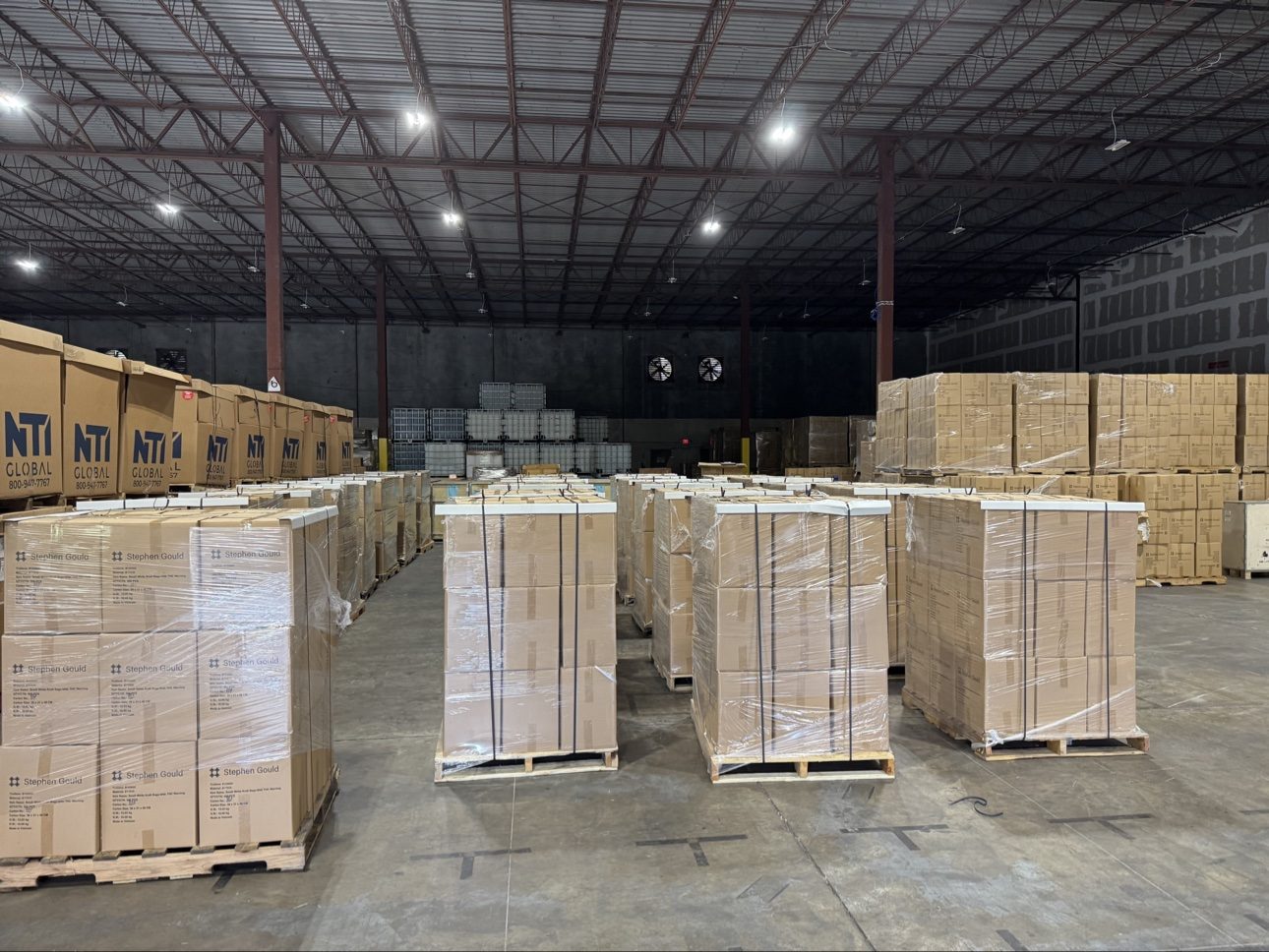
- At the warehouse, the crew unloads the container and inspects the freight, then sorts it and palletizes it.
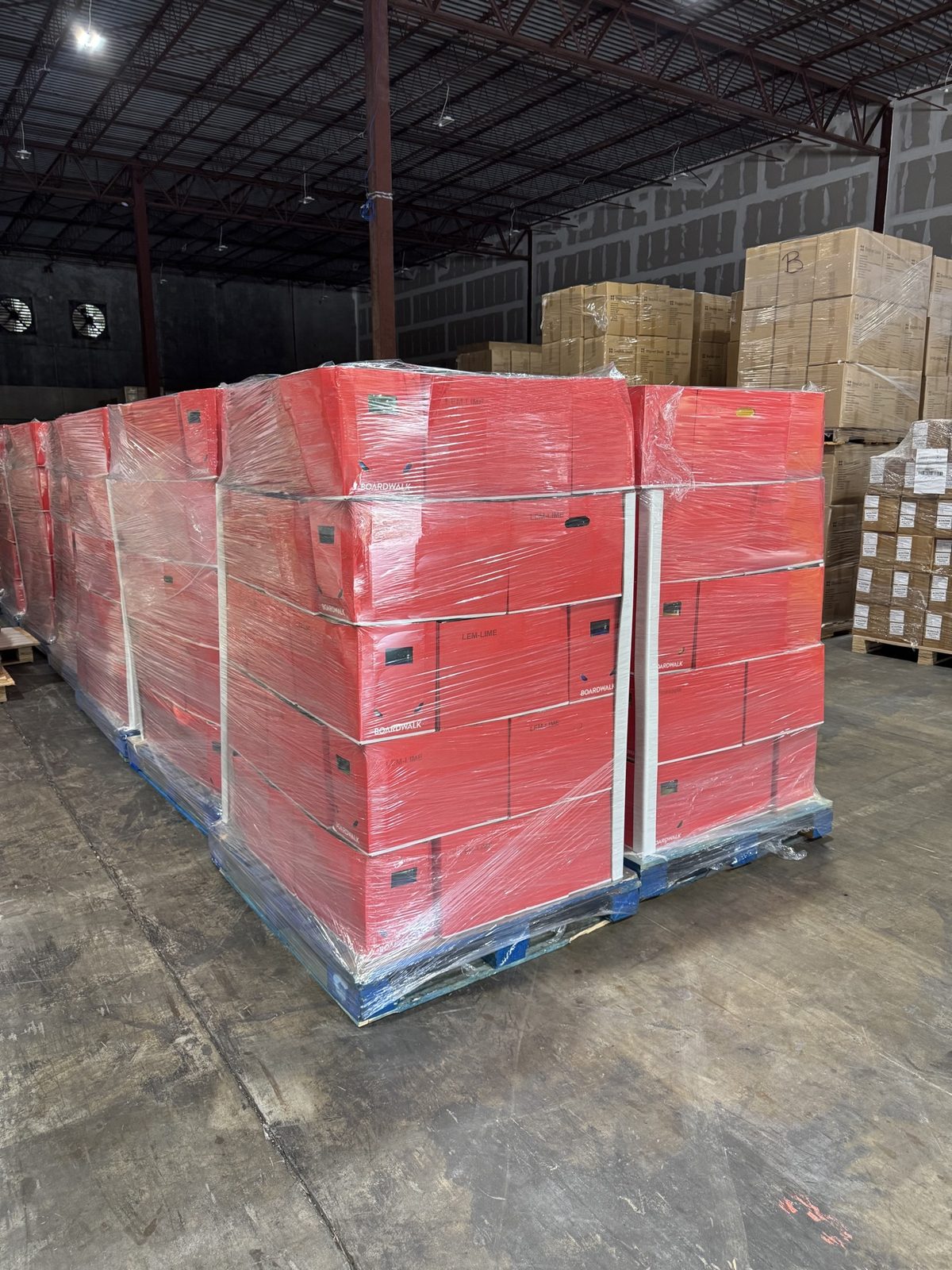
- The freight gets reloaded into 53-foot dry vans, the standard enclosed domestic trailers. Ocean containers run 20 or 40 feet long, but the freight rarely loads back out in the same ratio it came in. If it arrived palletized and light, roughly three 40-foot containers of goods can fit into two 53-foot trailers. But if it arrived loose-loaded and has to be built to pallets, one loose-loaded 40 can take two dry vans on its own, because palletizing adds cube and loose boxes do not restack perfectly. Heavy palletized freight breaks the ratio the other way, weighing a dry van out before it cubes out. Plan outbound trailers from pallet count and weight, not from the container count.
- The trailers dispatch inland, or the freight is held in short-term storage, which the listed warehouses offer based on availability.
Some jobs skip storage altogether. That is cross-docking, with freight moving from the inbound container straight to outbound trailers instead of sitting in short-term warehouse storage first.
Whether your freight is floor-loaded or palletized changes the unload more than anything else. An industry guide puts floor-loaded container unloading at 3 to 5 hours of manual work, versus 30 to 60 minutes by forklift for palletized freight, with unloading labor costing the warehouse $300 to $600 versus $50 to $150. Those are what the work costs the warehouse, not what the shipper pays, and they are industry guide figures, not a California warehouse standard. Still, they explain why a floor-loaded 40 takes a bigger crew and a longer window than a palletized one.
The clock that decides whether you transload fast
Two charges push shippers to move fast, and they are easy to confuse.
Demurrage is a per-day fee for a container sitting at the port past its free time, typically about 4 calendar days at most US ports, running $200 to $400 per day per container and often escalating in tiers. Those are national guide ranges, not a Los Angeles or Long Beach terminal tariff.
Per diem, also called container detention, is charged for keeping an ocean carrier container outside the terminal past free time, commonly $75 to $200 per day. That is also a national guide range, not a port-specific rate.
Get the container off the terminal and into a warehouse quickly, even before any handling charge is quoted. Waiting on a quote does not stop that clock.
What drives the price
Nobody can honestly quote you one California rate, because the price depends on your load and the warehouse. Here is what moves it.
It starts with floor-loaded versus palletized freight. Then comes carton and pallet count, and how much sort, palletize, and reload work the job needs. How fast you need the turn matters too.
For context only, a national 3PL benchmark survey puts what unloading costs the warehouse at $250 to $600 per container, averaging $500, for a floor-loaded 40-foot container, depending on carton count. That is what the work costs the warehouse, not what a shipper pays. It is a national benchmark, never a Los Angeles price, and it covers unloading only, not the full transload.
To get a real quote, send the warehouse your container size, whether the freight is floor-loaded or palletized, your pallet count, your destinations, and the turnaround you need.
One container, several deliveries
Splitting a container is a standard transload job, not an exception. The warehouse unloads the container, sorts the freight, palletizes it, and loads it into trucks for more than one location.
The trailer math matters here too. Once freight is palletized to domestic standards, it loads out differently than it came in, so the number of outbound trucks depends on pallet count, weight, and destination mix, not on the one container it arrived in. A loose-loaded 40 built to pallets can take two dry vans on its own.
Whether a specific listed California warehouse offers split delivery is not a question mark: all listed warehouses handle split deliveries. What matters is scope. When you contact the warehouse, explain the full scope: which destinations, and how many pallets go to each. The warehouse may be able to arrange the outbound trucks, but you are always welcome to arrange your own. Outbound pricing may be per truckload or per pallet, depending on the load details and the warehouse’s rate structure.
Los Angeles/Long Beach or Oakland: picking the gateway
Southern California leads for a reason: San Pedro Bay scale, plus the near-port warehouse clusters in Carson, Wilmington, Compton, Mira Loma, and the Inland Empire West.
Oakland is the other gateway. If your freight is headed to Northern California, transloading in Oakland is the route to compare against Los Angeles/Long Beach. The Port of Oakland handles more than 99 percent of the containerized goods moving through Northern California, and agricultural commodities, including refrigerated cargo, remain a core strength for Oakland, supported by dedicated cold chain infrastructure. As a single-month snapshot, not an annual comparison, the Port of Oakland handled 182,879 TEUs in October 2025.
Choose by where your freight is headed, and by whether a listed warehouse actually serves that gateway. Most California listings sit in Southern California, across the LA basin and the Inland Empire, so Los Angeles/Long Beach coverage is where the directory is deepest. Oakland is the other gateway, covered through one or two smaller partners around San Francisco. No listed warehouse is located in Oakland itself, so if your freight is headed north, confirm the Oakland route with the warehouse when you request a quote.
What to confirm before your container arrives
Use this list as a checklist when you request a quote, so your container is not left waiting at the terminal.
- Appointment and lead time: most warehouses need advance appointments. Confirm how much notice the warehouse needs, whether it does live unload (the driver waits while the crew unloads) or drop trailer (the driver leaves the trailer for the crew to unload later), and what appointment windows it offers.
- Container and freight types: whether the warehouse takes 20-foot and 40-foot containers, floor-loaded and palletized freight, and oversized loads, and whether it excludes hazmat, reefer, or food-grade freight.
- Short-term warehouse storage after transloading: the listed warehouses all offer some storage based on availability. Confirm rates, free-time period if any, and maximum hold with the warehouse.
- Turnaround: unload, palletize, reload, and dispatch timing, and what counts as expedited. Same-day turnaround is not a California standard, so confirm timing with the warehouse before your container arrives.
Frequently asked questions
A drayage carrier pulls your ocean container from the terminal to a nearby warehouse, where the freight is unloaded, sorted, and palletized. It is then reloaded into 53-foot domestic trailers for inland delivery, or held in short-term storage, which the listed warehouses offer based on availability. How many outbound trailers you need depends on pallet count and weight, not container count: lightweight palletized freight can run roughly three 40-foot containers into two 53-foot trailers, but a loose-loaded 40 that has to be built to pallets can take two dry vans on its own.
There is no single California rate to quote, because the price depends on your load and the warehouse. What drives it: floor-loaded versus palletized freight, carton and pallet count, sort and palletize scope, and how fast you need the turn. A national benchmark for what unloading a floor-loaded 40-foot container costs the warehouse is cited on this page only as a national figure, never as a Los Angeles price, and never as what the shipper pays. Send container size, pallet count, and destinations to get a real quote.
Do not plan on a same-day turn. Speed depends mainly on whether the freight is floor-loaded or palletized and on the warehouse’s appointment availability. Confirm unload, palletize, reload, and dispatch timing with the warehouse before your container arrives.
Los Angeles and Long Beach form the San Pedro Bay complex, the largest port complex in the Western Hemisphere, and directory listings on this site cluster in Southern California. Oakland is the Northern California gateway, handling more than 99 percent of the region’s containerized goods, with agricultural and refrigerated cargo as a core strength. Oakland is covered through one or two smaller partners around San Francisco. Choose by where your freight is headed, and confirm the Oakland route with the warehouse when you request a quote.
Yes. The warehouse unloads the container, sorts the freight, palletizes it, and loads it into trucks for more than one location. All listed warehouses handle split deliveries. Explain the full scope when you contact the warehouse: which destinations, and how many pallets go to each. The warehouse may be able to arrange the outbound trucks, but you are always welcome to arrange your own. Outbound pricing may be per truckload or per pallet, depending on the load details and the warehouse’s rate structure.
Most warehouses need advance appointments. Appointment rules, lead times, and live-unload versus drop-trailer options vary by warehouse, so confirm them with the warehouse when you request a quote, so your container is not left waiting at the terminal.
Find a California warehouse on the map
TransloadNow lists warehouses across California, clustered in Southern California, across the LA basin and the Inland Empire, including Brea, Chino, Colton, Riverside, Commerce, La Mirada, and Santa Fe Springs, plus San Diego. Northern and Central California listings include Hayward, McClellan, North Highlands, and McFarland. No listed warehouse is located in Oakland itself, but one or two smaller partners around San Francisco cover the Oakland gateway.
Compare California warehouses on the map by city and port proximity, services, and quote route. When you request a quote, it goes directly to the warehouse, which replies as soon as possible, normally within 24 hours or less. If you run a warehouse in California, list your warehouse so shippers searching this page can find you.