
A receiver just turned your trailer away, or the trailer that showed up is too big for the dock it was supposed to serve. Either way the clock you actually care about is the one on your driver. Every hour spent sitting outside a closed dock is an hour stolen from the next appointment, and the appointments behind it start sliding in turn. This page is for that moment, and for the shipper who has inbound freight in Florida with no dock of its own to break it down on.
Cross docking is the move that gets freight moving again without putting it into storage. Freight comes off an inbound trailer or container, crosses a warehouse floor, and goes straight back out on outbound trailers. Nothing gets put away for later. If the load was refused or came off shifted, the same crossing is where it gets rebuilt: restacked, rewrapped, rebalanced, and reloaded in a form the next receiver will accept.
The rejected load comes first
Start with the refusal, because that is the job Florida docks get called about when timing has already gone wrong. A driver arrives, the receiver says no, and suddenly you need a door, a crew, and a plan in the same phone call. The warehouses on the Florida map take that call as ordinary work, not as an exception. They can pull the freight down, sort out what shifted or what the receiver objected to, rebuild the pallets, and get the load back out on a trailer that fits the next dock.
Speed here depends on one thing above all: how early the warehouse hears about the problem. A same-day turn is often on the table when a door is open, and a next-day turn is a routine ask, but neither is something to assume after the truck is already rolling. Call while the driver is still on the road, give the warehouse the shape of the load, and let it hold a door. If the outbound driver cannot wait around, ask whether the warehouse will hold the freight briefly and set up redelivery, and settle that question before the inbound truck arrives rather than after it is already parked.
Do not send a driver to a warehouse address without that call. Appointment rules differ from one building to the next, and a dock with no warning has no crew lined up and no door free. The call is the job starting, not a courtesy ahead of it.
From a Tampa dock onto the I-4 corridor
Tampa is the example on this page because it is where Florida’s container story is loudest right now, not because it is the only place a cross-dock job can run. Port Tampa Bay is Florida’s largest and most diversified seaport. In fiscal year 2025 it handled 32 million tons of cargo, and its container volume is up more than 300 percent since 2018, reaching nearly 263,000 TEUs in fiscal year 2025. Six post-Panamax cranes are expected to be operational by the end of 2026, and further terminal expansion is planned rather than finished, so treat any bigger capacity number you hear as a future plan, not a dock you can book today.
That growth lands in a tight geography. East Tampa warehouses sit roughly 5 miles and about 12 minutes from the port terminals, inside an industrial belt that runs along I-4, I-75, the Lee Roy Selmon Expressway, and Adamo Drive. From there the I-4 corridor runs east to the Lakeland and Polk County distribution cluster, which is where a large share of Florida-bound freight fans out toward stores and customers across the peninsula. A cross-dock door in East Tampa therefore sits on the short leg between the terminal gate and the corridor, which is exactly where a transfer needs to be: close enough to catch the inbound container quickly, and already pointed at the road the outbound freight will travel.
The Florida warehouse map shows where those buildings sit relative to the port and the corridor, so you can pick a dock on your lane instead of guessing from a city name. Other Florida container gateways feed their own clusters too: PortMiami, Port Everglades, JAXPORT, SeaPort Manatee, and the Port of Palm Beach. The Tampa run described here is the pattern; the port at the other end of your load changes the drive, not the way the transfer works.
One related job often rides along with the transfer. When an ocean container has to change equipment, for example from the box it arrived in onto domestic trailers, that equipment change is transloading, and it can happen in the same visit as the cross-dock move. For the transload side of that combined job, see our guide to transloading in Florida.
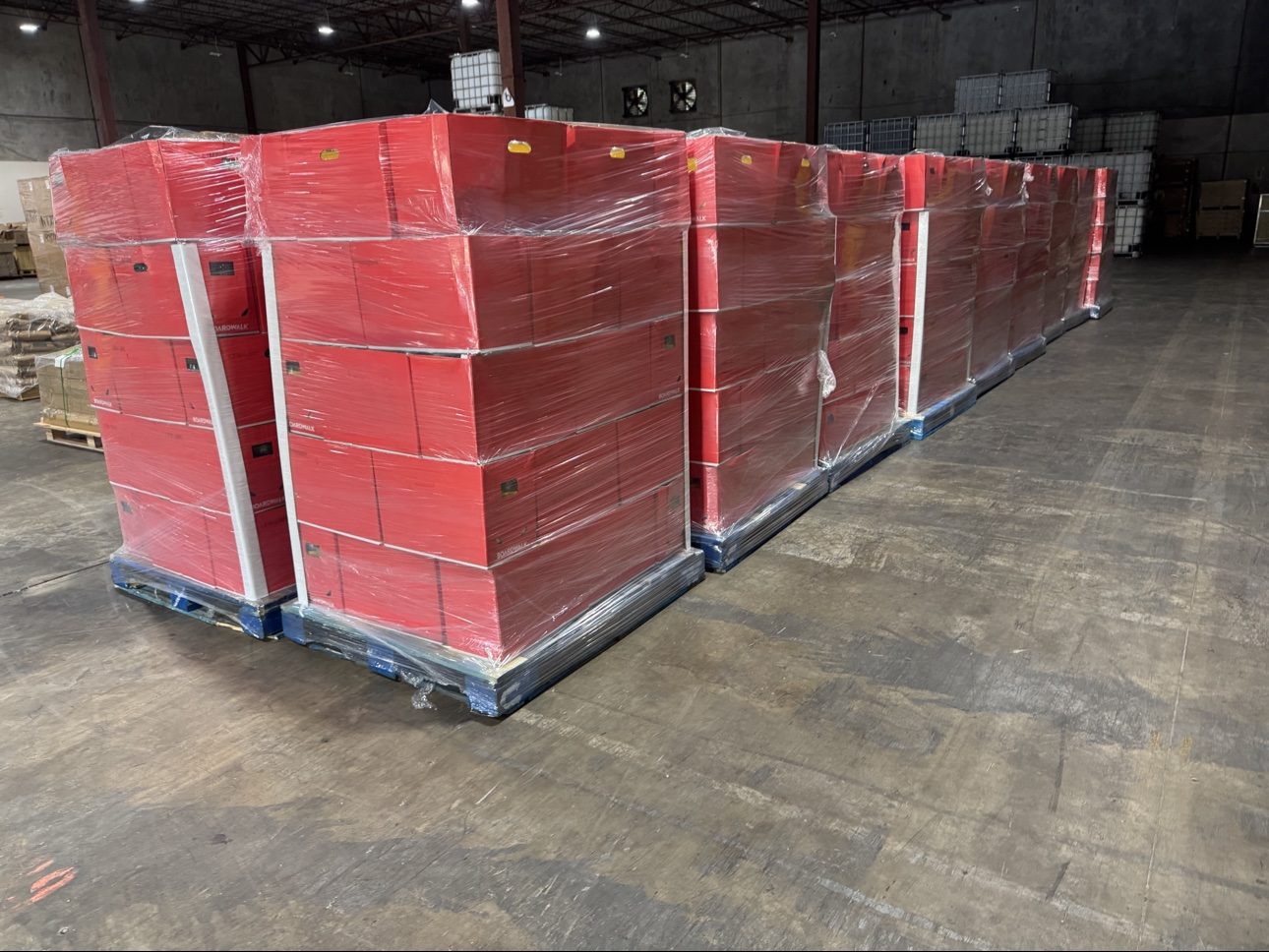
One inbound load, several Florida destinations
The second classic Florida cross-dock job is the split. One inbound container arrives, and its freight belongs in several places: a couple of pallets to Orlando, a few more to Lakeland, the rest on toward South Florida, or whatever your delivery list actually says. Breaking that container down and reloading it onto several outbound trailers is standard work for every warehouse listed on the Florida map, but it is also the job that goes sideways fastest when the warehouse only hears part of the plan.
Lay out the whole split when you first ask for the quote: every destination, and how many pallets go to each one. A crew that knows the full list can sort freight to the right outbound trailer as it comes off the inbound load. A crew working from a partial list ends up reloading a trailer, or missing a stop, and the fix costs the very hours the cross dock was supposed to save. The same full-scope rule applies if you want the warehouse to line up the outbound trucks: it can do that, and you can also book your own carriers and hand over the pickup details instead. Either way, the outbound charge is set per truckload or per pallet depending on the load itself and on that warehouse’s own rate setup, so ask which basis your quote uses.
Trailer count needs its own check, because container count alone will mislead you. Do not plan it off a shortcut ratio. A single loose-loaded 40, once it is built onto pallets, can need two dry vans all by itself. The familiar three 40s into two 53s shortcut only holds for light palletized freight, and it is never a safe planning assumption on its own. Put heavy palletized freight on a dry van and weight stops the load before the cube does. Once the warehouse has pallet counts and weights, let it set the trailer count, and build your outbound appointments around that number rather than around the container count.
Why two cross-dock quotes for the same load can land apart
No Florida cross-dock quote comes off a published rate card, and no number on this page should be read as one. Every quote is built for one specific job, which is why two warehouses can look at the same container and come back with different numbers without either of them being wrong. What they are pricing is the handling in front of them.
Floor-loaded inbound freight takes more hands than freight that forklifts straight off as pallets, so the way the container arrives moves the number first. Pallet count sets the crew size and the door time. Rework on a refused or shifted load adds labor before the transfer even starts. A turn that has to happen today prices differently from one that can stage overnight, and any days the freight has to sit while an outbound truck catches up add to the quote as well. Sorting or labeling done during the transfer counts as handling in the same way.
That is also why a dollar figure found somewhere else deserves a second look: it may describe what the work costs the warehouse to perform, not what you will be charged for it. Get the basis of the quote in the reply, check it against the packet you sent, and confirm that every destination and every pallet made it into the number. Send the request straight to the warehouse you pick, and expect its answer as soon as it can turn one around, usually inside a day.
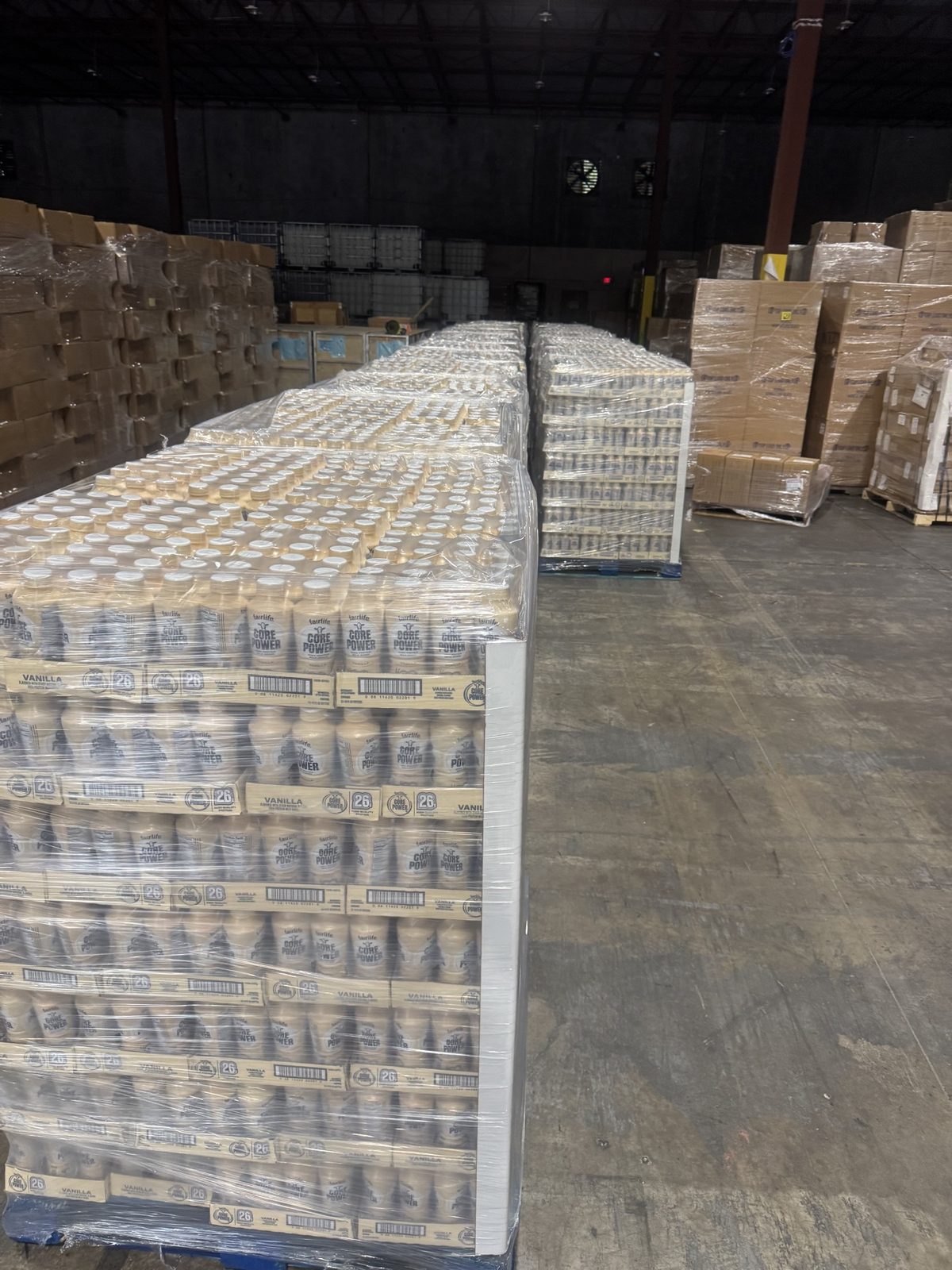
Where the job breaks down, and the discipline that prevents it
Most failed cross-dock jobs fail on information, not on muscle. The warehouse did not know the freight was floor-loaded, the delivery list arrived after the outbound trailer was already loaded, or the driver showed up at a building that had never heard of the load. Each of those is preventable in the first phone call.
Appointments are the discipline. Treat them as required, and treat the rules as building-specific: one warehouse may take a live unload while another wants a drop, lead times differ, and minimum load sizes differ too. Confirm all of that for the building you are actually using, rather than carrying assumptions over from the last dock you used. A next-day turn is a routine ask when the warehouse knows the job is coming, and a same-day turn is often on the table when a door is open, but both depend on the warehouse hearing about the load in time to line up a door and a crew.
Product limits need the same direct check. Ordinary palletized freight is what these docks handle day in and day out, but a listing flag is not a certification, and handling for sensitive product types varies by building. Ask the warehouse outright whether it takes your product before you commit freight to a quote, and do not read a flag on a listing as a promise.
If the outbound truck runs late or a receiver moves an appointment, say so early. Ask where the freight sits while it waits, how a missed slot gets rebooked, and what a short hold involves in general terms. Equipment charges and any storage fees run on their own schedules whether the freight is moving or not, so a disclosed delay stays a scheduling problem while a quiet one can turn into a second refusal.
Send the warehouse this packet before the truck rolls
Put all of this in your first message, so the crew plans doors, labor, and staging instead of improvising on arrival day:
- Inbound equipment and arrival details, including timing
- Pallet count and pallet dimensions
- Weight and dimensions of the items, or an itemized pack list
- Every outbound destination, with pallets per destination
- Delivery appointments for each outbound stop
- Whether the load is floor-loaded or palletized, and whether it needs rework
- Live-unload or drop-trailer preference, and who is arranging the outbound trucks
That packet matters most on a split load and on a refused load, where a missing destination or a missing detail about the damage is what turns a quick transfer into a second day. Confirm live-unload or drop-trailer acceptance, minimum load size, and floor-loaded or palletized handling with the warehouse before you book, since those vary by building.
Find a Florida cross-dock warehouse on the map
This directory introduces shippers and brokers to warehouses; it does not rank one building over another, and this page names none. Start from the Florida warehouse map, filter for cross-dock service near your lane, and confirm service, timing, and split handling with the warehouse itself before you commit a load. Reach out in advance, confirm the appointment and the scope, and never roll a driver in without that conversation first.
Search Florida warehouses on the map
Cross docking in Florida: FAQ
A same-day turn is often on the table when a door is open, and a next-day turn is a routine ask. No warehouse publishes dock-to-door turnaround hours, so call before the truck rolls and confirm the building can take your load when you need it.
Every quote is built per job, not off a published rate card. The handling in front of the crew sets it: whether the inbound freight is floor-loaded or palletized, how many pallets there are, what rework a refused or shifted load needs, how fast the turn has to be, and any days the freight sits waiting on an outbound truck. Send the load detail, the delivery split, and the timing, and the warehouse will price from those.
Send the packet the warehouse needs to plan doors and crews: inbound equipment and arrival details, pallet counts and dimensions, outbound destinations, and delivery appointments. Weight and dimensions of the items, or an itemized pack list. On a split load, send every destination with pallets per destination, and confirm live-unload or drop-trailer acceptance, minimum load size, and floor-loaded or palletized handling before you book.
Often, if you move fast and call while the driver is still on the road. Florida warehouses rebuild refused or shifted loads by restacking, rewrapping, rebalancing weight, and reloading, and some will hold the freight briefly and set up redelivery if your driver cannot wait. Call ahead, because a same-day turn depends on a door being open, and never send a driver in without that call.
Treat appointments as required, and treat the rules as building-specific. The warehouse needs the pallet count, the inbound equipment, and the timing to line up a door and a crew, so give it those details before the truck rolls.
Yes, and every warehouse listed on the Florida map handles split loads as standard work. The warehouse breaks the container down and reloads it onto several outbound trailers, often the same day depending on pallet count and whether a door is open. Give the warehouse the full delivery list up front, with pallets per destination, so the outbound pulls are staged correctly, and confirm whether the warehouse or you are arranging the outbound trucks.