Container unloading, called devanning or unstuffing in the trade, means trained workers unpack the goods from the ocean container and check the count and condition of each item against the shipping papers. At Conley, truck gates post 30-minute turn times, and the highway system is less than a mile from the gate.
Your Container Is Clearing Conley. Here Is How It Gets Unloaded.
Your container is clearing Conley Terminal and you have no warehouse lined up. Every day the box sits, the per-diem clock keeps running. Here is the plan: get the container released, drayed to a Boston-area warehouse, unloaded, palletized, and staged or reloaded for delivery.
This page covers the Conley release steps, the dray to the warehouse, live unloads versus drops, what drives the price, and what to have ready when you ask for a quote. For broader transload and rework context, see our guide to transloading in Massachusetts.
Speed matters because demurrage and per-diem charges pile up while the box sits. You do not need an education. You need a warehouse with an appointment, a trucker, and the right details in your quote request. Start by searching listings on the Massachusetts find-a-warehouse map and confirming the one you pick can handle your load type.
What Container Unloading (Devanning) Actually Means
Conley Container Terminal, at 700 Summer Street on the South Boston waterfront, is New England’s only full-service container terminal.
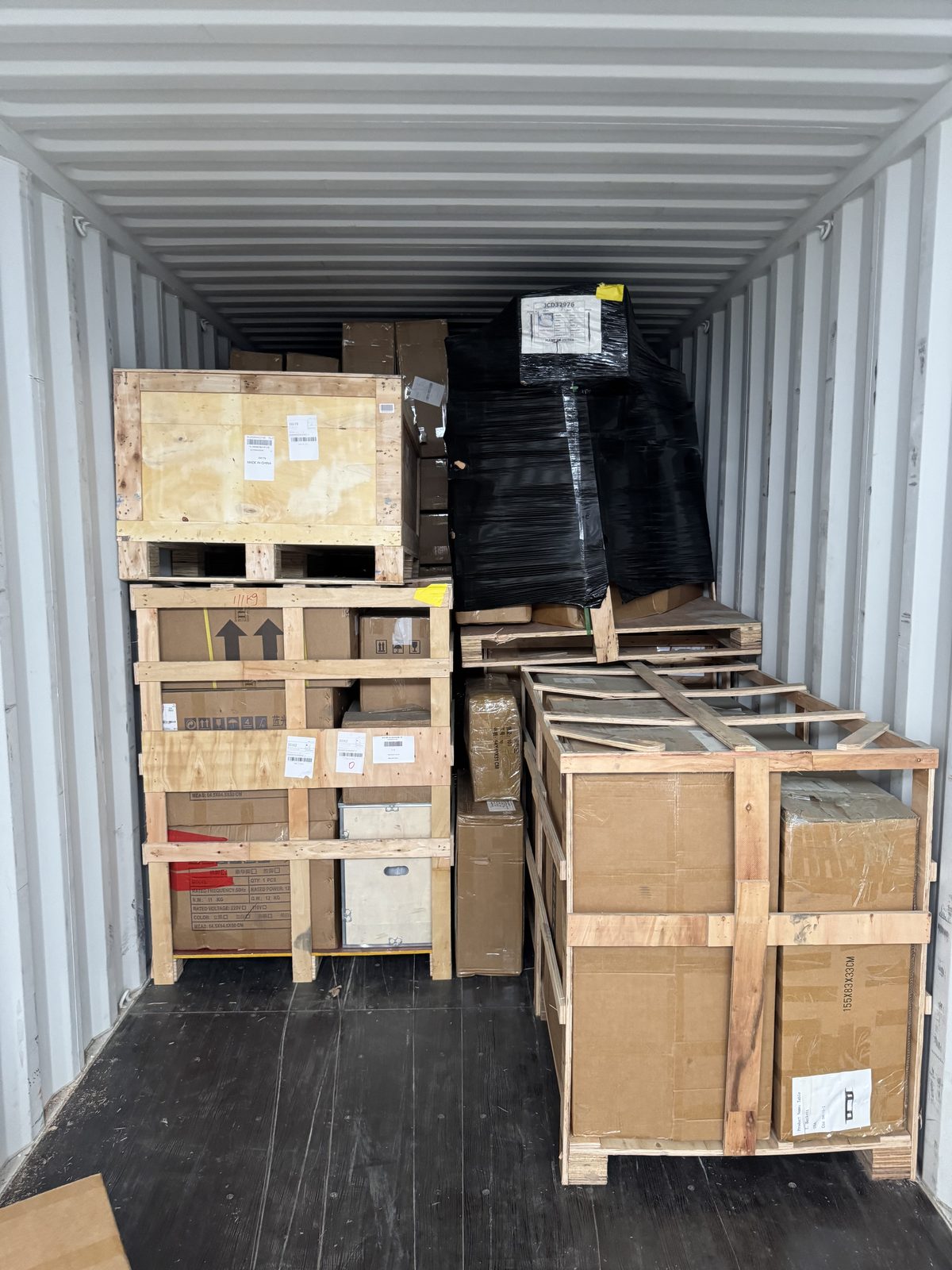
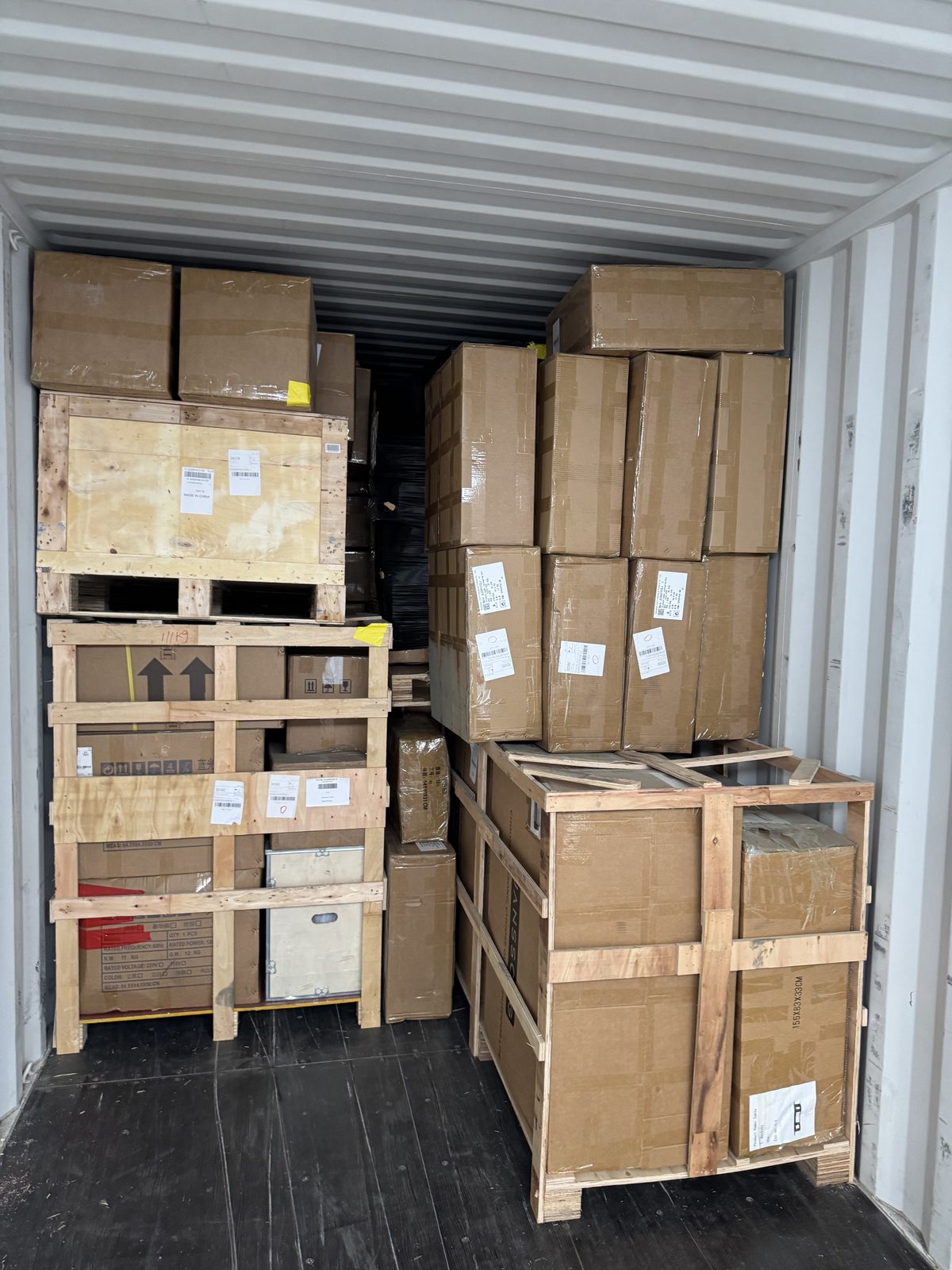
Floor-loaded boxes and palletized freight are two different jobs. Floor-loaded freight gets handballed off the box and stacked onto pallets, which takes more labor and more time. Palletized freight rolls straight off and stages fast. Confirm the warehouse devans floor-loaded 40s before you book, because not every facility does.
Getting the Box Out of Conley: Release Steps and Gate Realities
No trucker can pull your box until the port releases it. Massport requires Customs and USDA clearance, freight release, and payment of Import Usage, the Government Inspection Fee, and demurrage.
Conley ran 122,023 TEUs through May 2026, up 14% from the year before. The port works vessels seven days a week, but truck gates are a different story. Third-party terminal listings show gates open Monday through Friday, 8am to 5pm, and Massport has not confirmed weekend truck gates, so plan pickups as weekday moves. Get the release paperwork done first or the truck rolls to the gate for nothing.
Once released, the trucker pulls through a gate posting 30-minute turn times, grabs a chassis from the near-dock chassis pool, and runs the dedicated Butler Freight Corridor, a route that keeps container trucks off residential streets and puts them on the highway system in minutes. Major interstates are less than a mile from the gate.
Nine of the world’s largest shipping lines call Conley: MSC, COSCO, OOCL, Evergreen, CMA CGM, APL, Yang Ming, Hapag-Lloyd, and ONE. If your box arrives on one of those lines, it is clearing Conley.
Live Unload vs. Drop
A live unload means the container is unloaded while the driver waits. No drop fee, but the warehouse dock, crew, and appointment have to be ready when the truck arrives. A drop means the carrier leaves the container and returns later, which buys staging time but adds a drop fee plus chassis and per-diem exposure while the box sits.
At Conley, 30-minute turn times and a near-dock chassis pool favor quick moves, and weekday-only gates mean you cannot leave a scheduling mess for Saturday. A live unload fits when the warehouse has a confirmed appointment and your receiver is flexible. A drop fits when the warehouse needs staging time before it can get to the box.
Floor-Loaded or Palletized: Confirm Capability Before You Book
Floor-loaded containers need more manual work to remove and palletize, and devanning commonly takes one to three days depending on the crew, the shipment type, and the equipment. Pallet-in, pallet-out freight is faster and cheaper to handle.
This is where shippers get burned near Boston. A warehouse that says “we accept containers” may only mean palletized boxes at its dock. Ask the question plainly: do you devan floor-loaded 40s? State the load type in your quote request up front so the warehouse staffs the right crew and quotes the right labor.
What Drives the Price of a Container Unload in Boston
There is no published Boston-market rate card for container unloading, so anyone giving you a number without your details is guessing. An honest quote depends on:
- Container size (20 vs. 40), floor-loaded versus palletized
- Pallet count and SKU count
- Cargo type, stacking, and wrapping or labeling needs
- How fast you need it turned
- Storage or staging days after unload
The dray quote is its own line item. Drayage quotes commonly break into a base haul, fuel surcharge, chassis days, pre-pull or yard storage, port and terminal fees, demurrage, detention (per diem), waiting time, and dry-run fees. Ask for those itemized so you can compare quotes on the same basis.
How It Works: From Port Release to Staged Pallets
- Confirm release. Customs and USDA cleared, freight released, Import Usage, Government Inspection Fee, and demurrage paid.
- Book the warehouse and the dray. Send your quote details (container size, load type, pallet and SKU counts, delivery window, receiver constraints) and confirm the appointment and dock time.
- Dray from Conley. The trucker pulls the box through the weekday gate, runs the Butler corridor to the interstate, and delivers to the warehouse or stages for a live unload.
- Unload and palletize. The crew devans the box, checks count and condition, palletizes floor-loaded freight, wraps, and stages.
- Stage or deliver. Freight sits staged for pickup or reloads onto domestic trailers for final delivery. Confirm who arranges the outbound leg before the box arrives, not after.
What to Have Ready When You Request a Quote
Six details get you a fast yes-or-no and a real number:
- Container size (20 or 40) and whether the freight is floor-loaded or palletized.
- Approximate pallet count and number of SKUs.
- Cargo type, stacking, and any special handling.
- Your delivery window and deadline. Is the per-diem clock running, or are you planning a week out?
- Receiver constraints. What will your receiver accept and not accept: no full containers, dock appointments, pallet specs.
- How you want the freight to leave: staged for pickup or reloaded onto domestic trailers.
Same-day help is often possible based on availability, and next-day is commonly doable. Contact the warehouse in advance to confirm the appointment, rates, and scope. Never show up unannounced.
If Your Receiver Rejected the Load or Cannot Take the Full Container
A rejected or refused load near Boston usually means the per-diem clock is the most expensive line item. Speed beats price-shopping. You can transload the container into staged pallets, split one container across several deliveries, or stage freight near the customer while the receiver situation gets resolved. The broader transload and rework options are covered in our transloading in Massachusetts guide.
Find a Boston-Area Warehouse That Unloads Containers
This site is a directory, so you search and compare listings yourself rather than calling one warehouse we pick for you. As one example of a listing, RKA Transportation Services Inc in South Easton, MA lists transloading, drayage, cross-docking, restacking, pallet rework, and short- and long-term storage, serving Massachusetts, Rhode Island, Connecticut, and the Greater Boston area.
Whatever listing you choose, confirm capability (floor-loaded devanning), appointment availability, rates, and scope directly with the warehouse in advance.
Container Unloading in Boston: FAQ
First make sure the container is Customs and USDA cleared, freight is released, and the Import Usage, Government Inspection Fee, and demurrage are paid. Then book a warehouse near Boston with an appointment, have a trucker dray the box from Conley to the warehouse, and the crew devans it, checks the count and condition, palletizes floor-loaded freight, and stages the pallets for pickup or reload onto domestic trailers.
There is no published Boston-market rate card, so any honest quote depends on your details: floor-loaded versus palletized, pallet count and SKU count, cargo type, wrapping or labeling, how fast you need it turned, and any storage days after unload. Have those numbers ready and ask warehouses for an itemized quote.
Same-day help is often possible based on availability, and next-day is commonly doable, but it depends on the load type, crew, and appointment windows. Conley truck gates run Monday through Friday, 8am to 5pm, so plan pickups as weekday moves. Contact the warehouse in advance to confirm the appointment, rates, and scope; do not show up unannounced.
In a live unload, the container is unloaded while the driver waits at the warehouse dock, so there is no drop fee but the crew and dock must be ready. It makes sense when the warehouse has a confirmed appointment and your receiver is flexible. A drop, where the carrier leaves the box and returns later, buys staging time but adds a drop fee plus chassis and per-diem exposure.
Container size, whether the freight is floor-loaded or palletized, approximate pallet count and SKU count, cargo type and any special handling, your delivery window, and your receiver’s constraints such as dock appointments or pallet specs. With those six details, a warehouse can tell you quickly whether they can take the job and what it will cost.